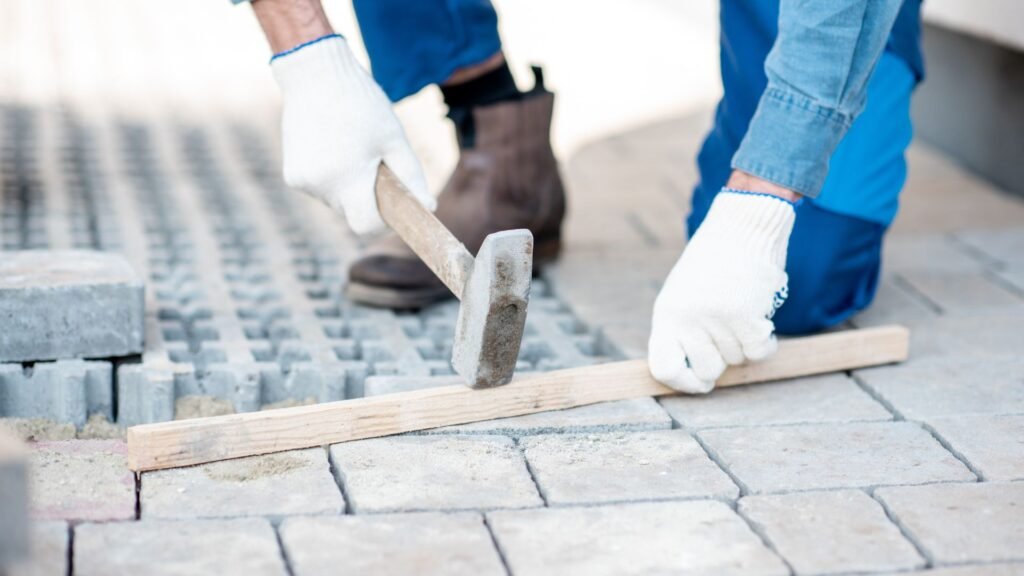
Welcome to your go-to guide for understanding the cost of paving services in NZ. Whether you’re upgrading your driveway, planning a patio, or managing a commercial project, knowing what to expect in terms of pricing can help you make smarter decisions. Paving costs in New Zealand can vary widely based on material, job size, location, and labour. In this post, we’ll break down average price ranges, key cost factors, and real-world examples to help you plan your budget. Whether you’re a homeowner or business owner, this guide is built to give you clear, practical answers, without the fluff.
The cost of paving services in NZ typically ranges from $50 to $200 per square metre, depending on the material used (asphalt, concrete, or paving stones), site conditions, and project size. Residential driveways usually cost between $2,000 and $8,000, while commercial paving projects may exceed $10,000. Always request a detailed quote to get accurate pricing.
Table of Contents
What Are Paving Services?
Paving services involve the preparation and installation of durable surfaces for residential or commercial use. These surfaces include driveways, walkways, patios, car parks, and other outdoor areas that require a smooth, long-lasting finish. In New Zealand, paving is a popular choice for homeowners and businesses looking to enhance property appearance, improve access, or create functional outdoor spaces.
Residential Vs Commercial Paving
- Residential paving focuses on small to medium-sized projects such as home driveways, garden paths, patios, and pool surrounds. These jobs typically prioritize aesthetics and comfort alongside durability. Homeowners may choose materials that match the overall style of their property, such as decorative concrete or paving blocks.
- Commercial paving covers larger-scale projects like retail car parks, footpaths, industrial yards, and public access areas. These services require a stronger focus on performance, load-bearing capacity, and compliance with local safety regulations. Commercial paving often uses materials like asphalt or reinforced concrete, designed to withstand frequent use and heavy vehicles.
Understanding the difference helps property owners choose the right contractor and materials. Residential paving may involve more customisation and visual appeal, while commercial work demands durability and efficiency.
Common Surface Materials Used In Paving
In New Zealand, three common materials dominate the paving industry:
- Asphalt: Ideal for driveways and car parks. It’s cost-effective, quick to install, and easy to maintain. Asphalt provides a smooth surface suitable for vehicle traffic and is commonly used in both residential and commercial settings.
- Concrete: A versatile option used for everything from patios to industrial yards. Concrete can be poured plain or finished with patterns, colours, or textures. It’s more expensive than asphalt but offers excellent durability and visual appeal.
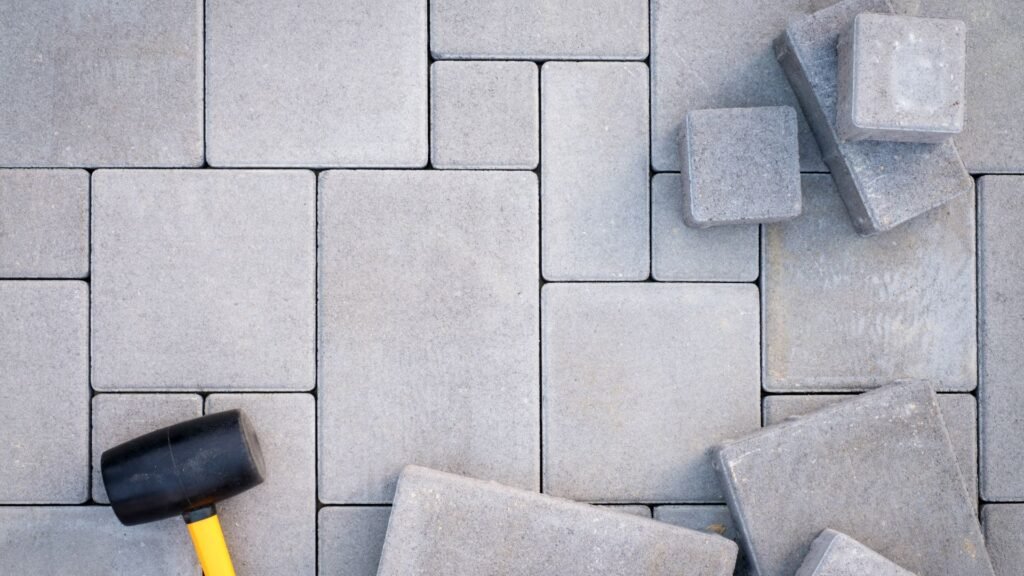
- Paving Blocks (Pavers): Popular in residential properties for pathways, patios, and decorative driveways. Pavers come in various shapes, colours, and finishes, offering flexibility in design. They’re easy to repair since individual blocks can be replaced.
Why It Matters
Choosing the right paving service and surface type affects not just cost, but also how long the surface lasts and how it performs over time. If you’re paving a residential driveway or a commercial lot, working with a specialist who understands both the scope and material suitability is essential.
To get a better idea of what paving surfaces look like in real settings, check out examples from reputable NZ paving providers like Firth Paving or Premier Group NZ. These links showcase real-world applications, finishes, and options available for your project.
By understanding what paving services include, and how they differ based on property type, you’ll be in a better position to budget accurately, choose the right material, and hire the right contractor for the job.
Average Cost Of Paving In NZ
Understanding the average cost of paving services in New Zealand helps you plan your project and budget more accurately. Prices can vary depending on the material you choose, the size of the job, and your location. Below is a detailed breakdown of common paving materials and what you can typically expect to pay.
Asphalt Paving Costs
Asphalt is one of the most affordable and widely used paving materials in NZ. It’s ideal for driveways, pathways, and commercial spaces due to its durability and quick installation process.
- Residential Driveways: Asphalt paving for residential use usually costs between $50 to $80 per square metre. This price range includes materials, labour, and basic site preparation. It’s a practical choice for homeowners looking for a clean and functional surface without high costs.
- Commercial Lots: Larger commercial areas such as car parks or industrial yards tend to cost more due to size, load requirements, and traffic demands. Expect to pay $60 to $100 per square metre depending on project scale and complexity. Commercial jobs often require additional groundwork or drainage, which increases the total cost.
Concrete Paving Costs
Concrete is a mid-range paving option in terms of cost and is valued for its long lifespan and low maintenance. It offers a clean, modern look and suits both homes and businesses.
- Driveways And Patios: For basic concrete paving, the cost ranges from $80 to $120 per square metre. This includes standard grey finishes without decorative detailing. Concrete works well for areas that need a strong, smooth surface and can handle vehicle traffic.
- Decorative Options: If you want to enhance curb appeal, decorative finishes like exposed aggregate or stamped concrete are available. These typically add 15% to 25% to the base cost. While more expensive, they offer a custom look that blends better with landscaping.
Paving Stone Or Brick Costs
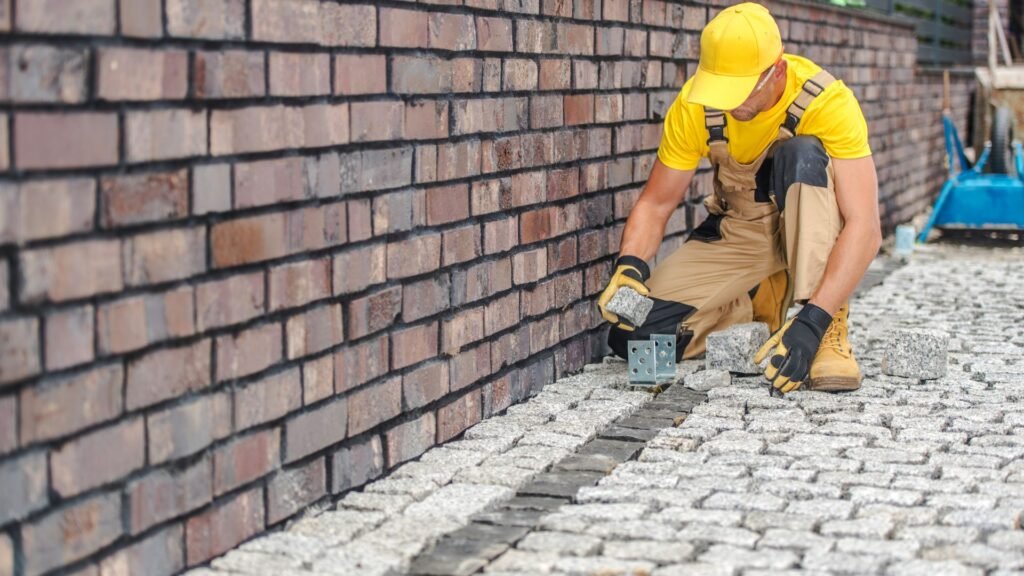
Paving stones or bricks offer a high-end finish and are popular for pathways, patios, and outdoor entertaining areas. They’re also one of the most expensive paving options due to the labour-intensive installation and material cost.
- Standard Finishes: Expect to pay $120 to $150 per square metre for standard pavers. This includes common colours and simple patterns. It’s a popular choice for homeowners who want an attractive and classic look.
- Premium Finishes: For high-end pavers, intricate patterns, or premium materials like natural stone, the price can rise to $150 to $200 per square metre. These are best suited for feature areas where appearance matters more than budget.
Regional Price Differences
Paving costs can vary depending on where you are in New Zealand. Labour rates, material transport, and local demand all play a role.
- Auckland: Generally on the higher end due to strong demand, higher living costs, and busy contractor schedules. Expect higher labour and logistics fees.
- Wellington: Costs are moderate but can rise in hilly or hard-to-access suburbs. Extra prep work for drainage or retaining edges is common here.
- Christchurch: Often offers more competitive pricing, especially for concrete and asphalt. Local suppliers and flat terrain help reduce total project costs.
Tips To Get Accurate Pricing
- Always request at least three quotes from different paving contractors. Prices can vary widely based on experience, scheduling, and availability of materials.
- Ask for a detailed cost breakdown that includes site prep, base layers, material choice, edging, labour, and GST.
- Use a simple cost table to compare materials and prices for your specific area. This makes decision-making easier and helps avoid hidden charges.
Example Cost Table:
| Paving Type | Price Range (per m²) |
| Asphalt (residential) | $50 – $80 |
| Asphalt (commercial) | $60 – $100 |
| Concrete (standard) | $80 – $120 |
| Concrete (decorative) | +15% – 25% extra |
| Paving stones (standard) | $120 – $150 |
| Paving stones (premium) | $150 – $200 |
Always remember, the final quote you receive will depend on your specific site, timeline, and the contractor you choose. Be sure to review each offer carefully and ask questions before signing any agreements.
Factors That Affect The Cost Of Paving Services In NZ
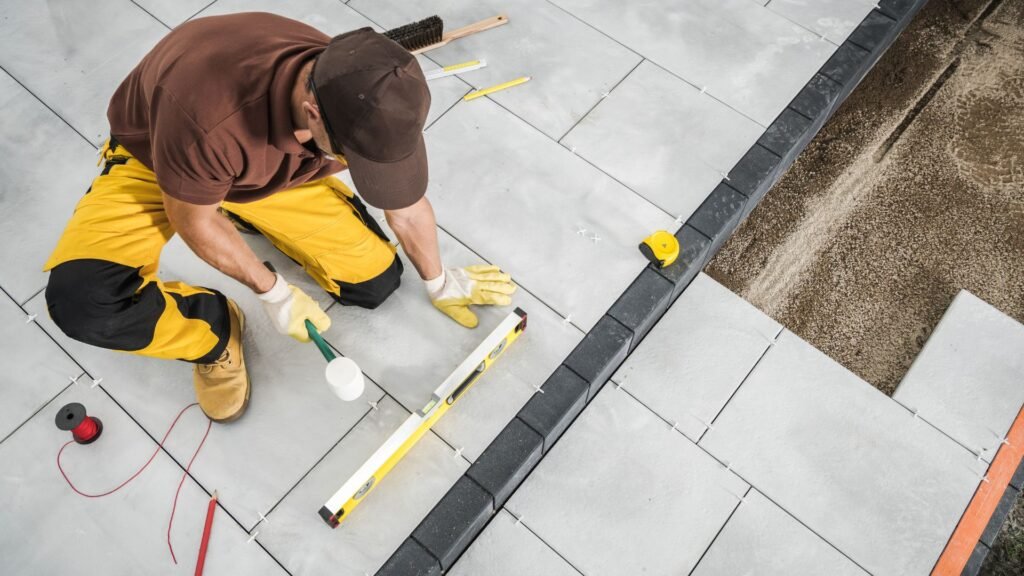
When budgeting for paving services in New Zealand, it’s important to understand that no two projects are priced the same. Several key factors influence how much you’ll pay. From the type of material to the condition of the site, each element can shift your final quote significantly. Below are the most common factors that affect the cost of paving services in NZ, with real-world examples to help you estimate better.
Size Of Area To Be Paved
The total area you want paved is one of the biggest cost drivers. Paving companies usually quote per square metre, so the larger the area, the higher the overall cost. For example, a small 20m² patio using concrete might cost $2,000 to $3,000, while a 100m² asphalt driveway could easily reach $6,000 or more. Some contractors offer bulk pricing for larger jobs, but materials and labour will still scale with size.
Ground Preparation Needs
Before any paving begins, the ground must be properly prepared. If the site is uneven, unstable, or has existing surfaces that need removal, expect the cost to go up. Ground preparation can include excavation, compacting the soil, adding a base layer, and removing old concrete or gravel. On average, ground prep alone can cost $20 to $50 per square metre, depending on site conditions.
Access To Site (E.g. Machinery Space)
Accessibility plays a major role in paving costs. If heavy machinery like compactors or trucks can’t easily reach the site, labourers may need to transport materials manually, increasing both time and labour costs. A rear driveway with narrow access or steep terrain could add hundreds to the quote simply due to the extra effort required.
Drainage Or Slope Issues
If your property has a slope or poor water runoff, drainage solutions will be necessary. These can include grading the land, installing drains, or adding slopes to direct water away from buildings. These modifications take additional planning, materials, and labour. A basic drainage trench could add $300 to $800, depending on length and depth.
Type Of Material Used
Material choice is another major cost factor. In New Zealand, common paving materials include asphalt, concrete, and paving stones. Each varies in cost, durability, and visual appeal:
- Asphalt: $50–$80 per m²
- Concrete: $80–$120 per m²
- Paving stones: $120–$200 per m²
Asphalt is affordable and quick to install but not ideal for decorative finishes. Concrete is versatile and durable, while pavers offer the best aesthetics but come at a higher price point due to more intensive labour.
Labour Costs
Labour makes up a large portion of any paving job. Rates can vary depending on the region, experience of the contractors, and the complexity of the job. In high-demand areas like Auckland, paving contractors may charge higher rates than in smaller towns. Labour costs usually range from $50 to $100 per hour. For example, a 2-day job with a 3-person team might add up to $2,000 or more just in labour.
Real-World Example
Let’s say you’re paving a 50m² concrete driveway in Wellington. The base material costs $100/m², so that’s $5,000. Add another $1,000 for ground prep, $500 for drainage adjustments, and $1,500 in labour. Your total cost would be around $8,000. Now compare that to an asphalt surface of the same size, which might cost closer to $5,500 depending on the conditions.
Understanding these cost factors helps you plan better, avoid hidden charges, and ask smarter questions when getting quotes. Always ask contractors for a full breakdown so you know exactly what you’re paying for.
How To Get An Accurate Quote
Getting an accurate quote for paving services in NZ is essential if you want to avoid hidden costs, manage your budget, and ensure the project meets your expectations. Whether you’re paving a residential driveway or a commercial car park, the process always starts with clear communication and a site visit.
Why Site Inspection Matters
A site inspection gives the contractor a first-hand look at your property. They can assess soil condition, drainage issues, slope, access for equipment, and the actual size of the area to be paved. These details directly impact the complexity and cost of the job. For example, if the ground needs excavation or leveling, this will increase labour and equipment time, something that’s hard to estimate without seeing the site.
Site inspections also help you get a more realistic timeline. A professional contractor will explain the stages of the project, highlight any risks, and provide advice based on what they observe. This ensures you won’t be hit with unexpected costs after the work begins.
Questions To Ask Contractors
Asking the right questions during the quote process helps you filter out unreliable contractors and compare offers more effectively. Here are some essential questions to ask:
- What materials do you recommend and why?
- Is ground preparation included in the quote?
- Will you handle waste removal and site cleanup?
- What’s your estimated start and completion date?
- Do you offer a warranty or guarantee for the work?
- Can you show examples of similar jobs you’ve completed?
- How do you handle delays or changes in scope?
These questions not only help you understand what’s included but also give you a sense of the contractor’s communication and professionalism. If someone avoids giving straight answers, that’s a red flag.
What’s Usually Included In A Paving Quote
A proper paving quote should be clear, itemised, and easy to understand. In most cases, you can expect the following components:
- Materials: The cost of asphalt, concrete, or pavers based on your chosen design and surface size. Some quotes will also include sealing or decorative finishes if requested.
- Labour: All physical work, including ground prep, base installation, paving, and finishing.
- GST: Make sure GST is clearly listed and not added as a surprise at the end.
- Disposal And Cleanup: Removal of any existing surfaces, soil, or waste generated during the job. This is often overlooked, but it can add hundreds of dollars if not included.
Some contractors may also include machinery use, edging, drainage systems, or protective coatings. If any item seems unclear or missing, don’t hesitate to ask for clarification. The more detailed the quote, the easier it is to compare with others and avoid hidden fees later on.
When you take the time to get a proper inspection, ask the right questions, and understand what’s in your quote, you’ll feel more confident in your decision, and more likely to get great results.
Paving Cost Examples: Real-World Price Breakdowns You Can Expect
When planning a paving project, it’s not enough to know the average price per square metre. Real-world examples give you better insight into what you might actually spend based on your property type, material choice, and job size. Below are three common paving scenarios in New Zealand, each with a full breakdown to help you estimate your costs more accurately.
Small 25m² Residential Driveway: Approx. $2,000–$4,000
A small residential driveway is one of the most common paving jobs in NZ. For a 25 square metre space using basic asphalt or standard concrete, you can expect to pay between $2,000 and $4,000.
Breakdown:
- Base preparation: $500 to $800
- Material (asphalt or concrete): $1,000 to $2,000
- Labour and machinery: $400 to $800
- Disposal of existing surface (if needed): $100 to $300
- GST: Usually included, but always confirm
This type of job is suitable for homeowners with tight entryways or limited parking space. Asphalt tends to be the lower-cost option, while basic concrete can increase the price slightly due to higher material costs and curing time.
50m² Patio Area With Decorative Concrete: $5,000–$8,000
If you’re paving a backyard patio using decorative concrete, such as exposed aggregate or stamped finishes, you should budget between $5,000 and $8,000 for a 50 square metre space.
Breakdown:
- Site levelling and prep: $800 to $1,200
- Decorative concrete material: $2,500 to $3,500
- Labour (including formwork and finishing): $1,000 to $2,000
- Sealing or coating (optional): $200 to $400
- GST: Confirm with your contractor
Decorative concrete comes at a premium due to the extra detail and finish work. This type of project is ideal for entertaining areas or landscaped spaces where visual appeal is important. It may also boost your property’s resale value.
100m² Commercial Car Park In Asphalt: $6,000–$10,000
For small commercial properties needing a car park or loading zone, a 100 square metre asphalt surface is a common request. Prices typically range from $6,000 to $10,000.
Breakdown:
- Excavation and base prep: $1,500 to $2,500
- Asphalt material: $3,500 to $5,000
- Labour and equipment: $1,000 to $2,000
- Line marking or signage (if required): $300 to $500
- GST: Confirm if included
This job may also involve traffic management or after-hours work, which can raise the overall cost. Still, asphalt remains a cost-effective solution for commercial paving due to its fast installation and low maintenance needs.
Final Tip
Every paving project is unique. These examples provide a starting point, but the best way to get an accurate cost is to request a custom quote from a trusted local contractor. A site visit will help uncover any drainage issues, access limitations, or special requirements that could impact the total price.
Is Cheap Paving Worth It?
Choosing the cheapest paving quote might seem like a good idea upfront, especially when you’re trying to stay within a budget. But the reality is that low-cost paving services in NZ often come with hidden risks that could end up costing you more over time. While there are affordable and reliable contractors out there, not all cheap options deliver the quality or durability you need for your driveway, patio, or commercial area.
Risks Of Low-Cost Services
Many low-cost paving contractors cut corners to keep prices down. This often means using lower-quality materials, skipping essential preparation steps, or rushing the job. These shortcuts may not be noticeable right away, but they can lead to problems like cracking, sinking, poor drainage, and fading. A poorly laid surface can also affect the resale value of your property and may need to be redone within just a few years. In worst-case scenarios, some contractors may disappear after the job is done, leaving you without any warranty or way to request repairs.
Long-Term Repair Vs Upfront Savings
While you may save a few hundred or even a couple of thousand dollars by going with the cheapest quote, the long-term repair costs can easily exceed those savings. For example, fixing a cracked or uneven driveway might require full resurfacing, new base layers, or drainage corrections. These repairs often cost more than the original installation. Investing in a reputable paving service may seem more expensive upfront, but it can save you from unexpected maintenance and repairs later.
What To Look For In Reviews And Portfolios
Before choosing a paving contractor, take time to read reviews on trusted platforms like Google, Trade Me, or local directories. Look for feedback that mentions durability, communication, and follow-up service. A pattern of poor workmanship or rushed jobs is a red flag. Ask to see a portfolio of previous work or visit nearby jobs they’ve completed. Reputable companies will gladly show their past projects and may even have references. Also, check if they provide a clear written quote, warranty, and timeline. These are strong indicators of professionalism and reliability.
When it comes to paving, the cheapest option isn’t always the smartest. Focusing on quality and value, rather than just price, will ensure your surface lasts for years without needing costly repairs.
Need affordable and reliable paving services in NZ? Get a free quote from our team today and start your project with confidence.
FAQs: About The Cost Of Paving Services In NZ
What is the average cost of paving services in NZ?
The average cost ranges from $50 to $200 per square metre, depending on the material, site preparation, and region. For example, asphalt is usually cheaper than concrete or pavers. Always request a tailored quote for accurate pricing.
What affects the cost of paving services in NZ?
Key factors include the size of the area, ground condition, site accessibility, chosen material (asphalt, concrete, or pavers), labour costs, and drainage requirements. Additional features like edging or decorative finishes can also increase the total cost.
Which paving material is the most budget-friendly in NZ?
Asphalt is generally the most affordable option, starting around $50/m². It’s durable for driveways and parking areas but may not suit decorative or high-end finishes. Concrete is mid-range, while pavers are typically the most expensive.
How much does a standard residential driveway cost in NZ?
A basic 25m² driveway can cost between $2,000 and $4,000 for asphalt or $4,000 to $6,000 for concrete. Pavers can push the cost up to $7,000 or more depending on the style and labour involved.
Are paving costs different in Auckland, Wellington, and Christchurch?
Yes. Labour and material costs may vary by region. Auckland tends to have higher prices due to increased demand, while other regions like Christchurch or regional towns may offer more competitive rates.
How long does paving usually take to complete?
Most residential paving jobs take 1 to 3 days, depending on weather, ground preparation, and complexity. Commercial jobs or large driveways may take longer. Always ask your contractor for a time estimate before work begins.
Do I need council consent for paving in NZ?
Council consent isn’t always required, but it’s best to check with your local council, especially if drainage, boundaries, or street access is affected. Some districts may require consents for large commercial or public-facing projects.
What should a paving service quote include?
A comprehensive quote should cover materials, labour, equipment use, removal of existing surfaces, site preparation, and GST. Ask for a written breakdown to avoid hidden charges later.
How can I save money on paving services?
To reduce costs, get multiple quotes, choose cost-effective materials, consider off-season booking, and bundle paving with other landscaping projects. Reusing a stable existing base can also help cut expenses.
How long does a paved surface last in NZ conditions?
With proper installation and maintenance, asphalt surfaces can last 15–20 years, while concrete and pavers may last 25 years or more. Regular cleaning, sealing, and prompt repairs extend durability.
Conclusion
Understanding the cost of paving services in NZ helps you make better decisions when planning upgrades to your driveway, patio, or commercial area. On average, you can expect to pay between $50 and $200 per square metre, depending on the materials used and the specific needs of your project. Asphalt tends to be more affordable, while concrete and paving stones offer durability and style at a higher price. Costs can also vary based on location, site conditions, and labour. To get the best value, compare multiple quotes, choose materials that match your budget and goals, and ask contractors detailed questions about what’s included. Since every property is different, it’s always best to get a tailored estimate based on your site. Thinking about paving? Get 3 free quotes from trusted local pros and find the best option for your space.