Welcome to our comprehensive guide on the best driveway paving options in Auckland! Whether you’re planning to upgrade your existing driveway or install a new one, we’re here to help you navigate the unique challenges posed by Auckland’s climate and soil conditions. Explore expert insights, cost considerations, and practical tips to create a durable, attractive, and low-maintenance driveway that perfectly suits your property. Let’s get started on transforming your outdoor space with the ideal paving solution tailored for Auckland homes.
Table of Contents
Key Takeaways
- Auckland’s wet climate (1,200–1,400mm annual rainfall) and clay-heavy soils make drainage and base preparation critical for any driveway project.
- The most common driveway materials in Auckland are concrete ($80–$150/m²), asphalt ($70–$120/m²), and pavers ($120–$250+/m²), with each suited to different budgets and site conditions.
- Permeable paving solutions are increasingly popular for Auckland properties, helping homeowners comply with Auckland Council stormwater requirements while reducing pooling water and runoff.
- The “best” driveway material depends on your specific situation: budget, traffic load, slope, aesthetic preferences, and how long you plan to stay in the home.
- Partnering with an experienced local contractor familiar with Auckland’s unique conditions from West Auckland clays to North Shore coastal sites makes all the difference in achieving a durable, low maintenance result.
Introduction: What Makes a Great Driveway in Auckland?
Auckland homeowners across suburbs like Mount Eden, Henderson, and Howick are increasingly upgrading tired, cracked driveways to handle heavier vehicle traffic, intense heavy rainfall events, and modern design expectations. The 2023–2024 storm seasons reminded many property owners just how quickly an inadequate driveway can fail when water has nowhere to go.
Common issues facing Auckland driveways include pooling water on clay soils, moss growth on shaded or damp areas, tyre ruts developing on steep sections, and structural damage from increasingly intense weather events. Whether you’re replacing an existing driveway or planning driveway construction for a new build, understanding your options is essential.
This article walks you through the best driveway paving options for Auckland specifically, covering:
- Pros and cons of each major driveway material
- Realistic 2026 cost ranges per square metre
- How to match the right solution to your Auckland property
- Drainage planning and council considerations you shouldn’t overlook
How Auckland’s Climate and Ground Conditions Affect Your Driveway
Auckland’s humid subtropical climate and variable soil conditions create challenges you won’t find in drier parts of New Zealand. Understanding these factors before choosing a paving material can save you thousands in repairs down the track.
Rainfall and Drainage Demands
Auckland receives around 1,200–1,400mm of rainfall annually, with some western suburbs seeing even higher totals. Since the 2023 Auckland Anniversary floods, residents have experienced increasingly intense downpours that overwhelm traditional drainage systems.
Poor drainage leads directly to driveway problems: sinking sections, cracking concrete, potholes in asphalt, and water runoff damaging adjacent garden beds. Any driveway project in Auckland needs to prioritise how water will drain naturally away from the garage and home foundations.
Soil Types and Ground Movement
The prevalence of expansive clay soils in West and South Auckland creates particular challenges. These soils soften when wet and shrink when dry, causing soil movement of up to 0.5–1m annually in some areas. Heavy vehicles accelerate this process, leading to uneven surfaces and cracking if the base isn’t properly prepared.
Older Auckland suburbs often sit on unknown fill or poorly compacted ground from decades past, adding another variable that contractors need to assess before work begins.
Microclimates Across Auckland
Different parts of Auckland face distinct conditions:
- Coastal areas (North Shore, Ōrākei, Eastern Bays): Salt air accelerates corrosion of metal edging and can affect some sealers
- Bush suburbs (Titirangi, Green Bay): Constant shade leads to moss, slipperiness, and surfaces that rarely fully dry
- Northern slopes: Extended sun exposure can overheat dark paving materials in summer
Design Priorities for Auckland Driveways
Given these conditions, successful Auckland driveways typically share several features:
- Strong base preparation suited to local soil conditions
- Adequate falls (minimum 1–2% gradient) directing water to proper drainage channels
- Surface texture providing grip in wet conditions
- Consideration of permeable surfaces in flood-prone areas
Main Driveway Paving Options in Auckland
Most Auckland driveways use one of four main surfacing types: concrete, asphalt, segmental pavers, or gravel. There’s also a growing niche of permeable grid systems gaining popularity as stormwater management becomes a priority for both councils and homeowners.
Each option suits different situations. Steep sites often perform better with textured concrete or pavers that provide grip. Tight urban sections benefit from the design flexibility of pavers or plain concrete. Rural driveways frequently use asphalt for cost efficiency over long distances, while high-end homes gravitate toward natural stone or premium paver driveways.
The following sections break down each option with pros, cons, costs, and ideal use cases tailored specifically to Auckland suburbs and conditions.
Concrete Driveways in Auckland
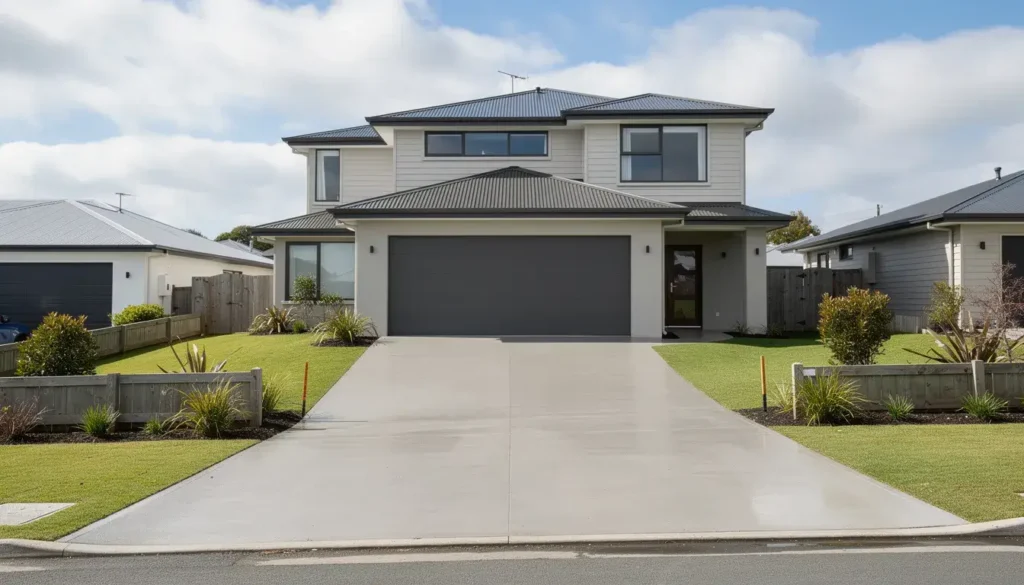
Concrete driveways remain the most common surface across Auckland’s suburbs, offering a practical balance of cost, durability, and design versatility. When properly installed on a solid foundation, a concrete driveway typically lasts 20–30+ years with minimal ongoing maintenance.
Types of Concrete Finishes Popular in Auckland
| Finish Type | Description | Best Suited For |
|---|---|---|
| Plain concrete | Standard grey finish, often broom-textured | Budget-conscious projects, utility areas |
| Coloured concrete | Pigments added during mixing | Matching home exterior colours |
| Exposed aggregate | Surface washed to reveal decorative pebbles | Modern builds, premium street appeal |
| Stamped concrete | Patterns pressed into wet concrete | Mimicking pavers or stone at lower cost |
Exposed aggregate has become particularly popular in newer developments like Flat Bush and Hobsonville Point, where modern architectural styles pair well with the textured, contemporary look.
2026 Cost Range
Concrete paving in Auckland typically costs $80–$150 per square metre, depending on:
- Slab thickness (100mm minimum recommended for residential)
- Reinforcement requirements (steel mesh standard for driveways)
- Finish type (exposed aggregate costs more than plain concrete)
- Site access difficulty
Key Advantages
- Strong enough for daily car and light truck use
- Low maintenance when correctly sealed every 2–3 years
- Good performance on slopes with proper texturing
- Wide range of finishes to complement plastered, brick, or weatherboard homes
- Can incorporate decorative borders using paving stones
Main Drawbacks
- Susceptible to cracking if base prep is inadequate or tree roots intrude
- Can be slippery when smooth-finished in shaded or steep areas prone to moss
- Repairs are often visually obvious, as colour matching is difficult
- Concrete slab removal is expensive if replacement becomes necessary
Auckland-Specific Design Tips
For residential concrete driveways in Auckland, contractors typically recommend:
- Minimum 100–125mm thickness with mesh reinforcement
- Light broom or exposed finish for wet weather grip
- Expansion joints spaced every 4–6 metres to accommodate temperature changes
- Ensuring proper drainage away from foundations with adequate cross-fall
Asphalt Driveways in Auckland
Asphalt driveways are a popular choice for longer or shared driveways in suburbs like Massey, Papakura, and Auckland’s rural fringes, where the driveway cost per metre becomes a significant factor.
2026 Cost Guidance
Asphalt driveways in Auckland typically cost $70–$120 per square metre, with thicker heavy-duty builds at the higher end. This makes asphalt roughly 20–30% cheaper than concrete for larger areas.
Advantages of Asphalt
- Quick installation often driveable within 24–48 hours
- Smooth driving surface with a tidy, uniform appearance
- Easier to resurface than concrete (top layer can be replaced)
- Flexibility accommodates minor ground movement better than rigid concrete
- Works well for large, curving driveways where seamless appearance matters
Disadvantages
- Can soften in peak summer heat (though Auckland rarely hits extreme temperatures)
- Requires periodic re-sealing every 3–5 years to prevent oxidation
- Edges need proper support on soft Auckland soils to avoid crumbling
- Dark colour absorbs heat and can contribute to urban heat island effects
Auckland Climate Considerations
While frost heave isn’t a major concern in Auckland, heavy rainfall and stormwater runoff patterns are. Asphalt’s impermeability means sub-base drainage and adequate cross-fall become critical. Without proper drainage planning, water can pond at low points or undermine the base over time.
Ideal Use Cases
- Multi-unit developments with shared accessways
- Long semi-rural driveways where concrete slab costs would be prohibitive
- Commercial car parks prioritising budget and installation speed
- Properties where a new driveway needs to be completed quickly
Paver and Stone Driveways (Premium Options)
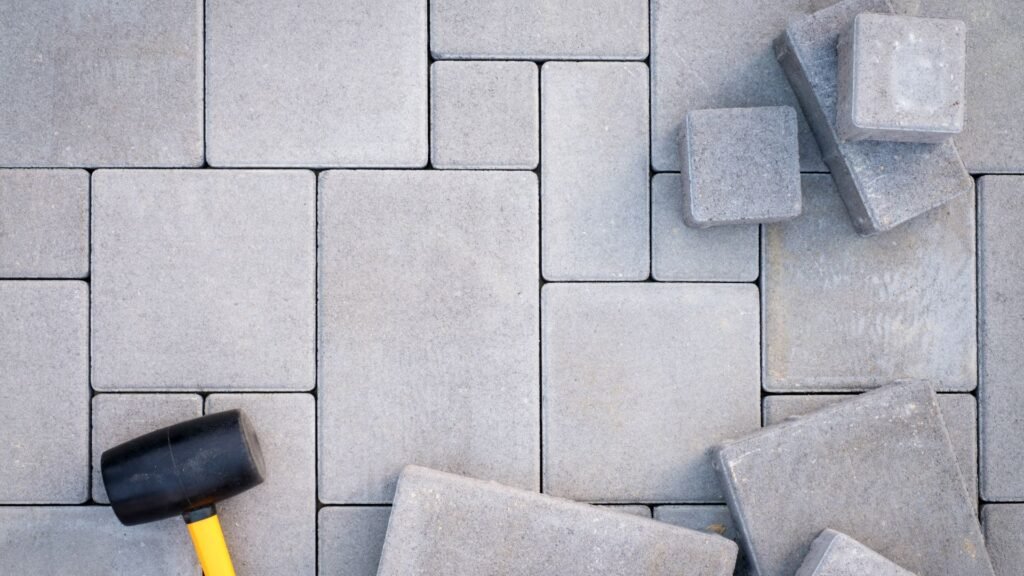
Paver driveways represent the high-end option for Auckland properties, commonly seen in premium suburbs such as Remuera, Mission Bay, Takapuna, and executive homes across the North Shore. These options maximise curb appeal and offer design flexibility that other materials can’t match.
Common Products in Auckland
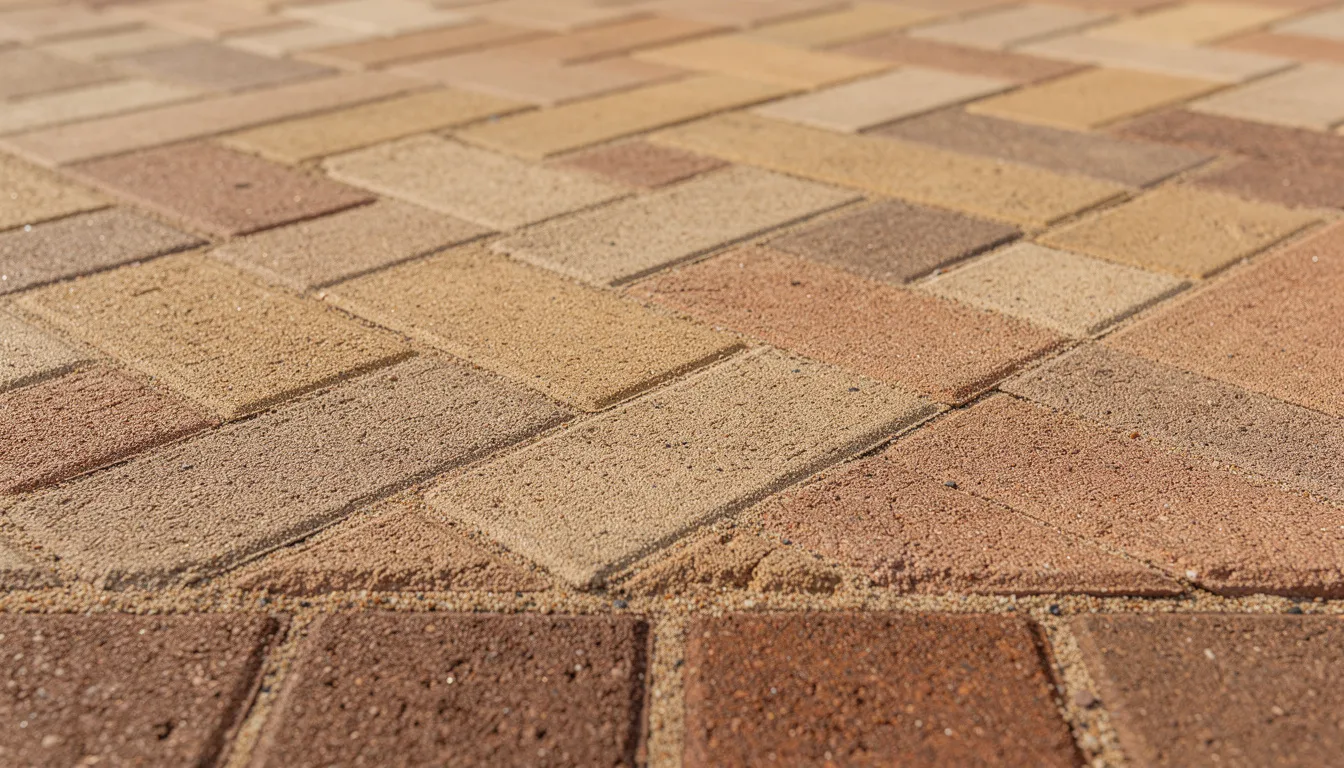
- Concrete pavers: Most popular, available in numerous colours, shapes, and textures
- Clay bricks: Heritage-inspired look with excellent colour retention over decades
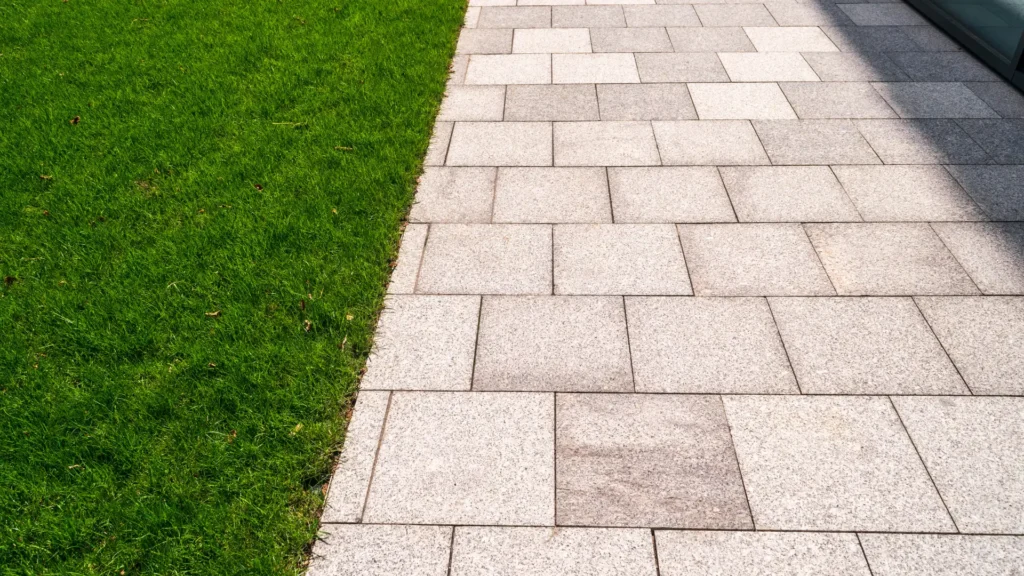
- Natural stone: Basalt, schist, or granite for feature borders and entry aprons
Natural materials like locally sourced basalt provide inherent textures that enhance slip resistance important for driveways in areas prone to heavy rain.
Realistic Auckland Cost Range
Paver and stone driveways generally cost $120–$250+ per square metre, influenced by:
- Paver type (concrete vs clay vs natural stone)
- Laying pattern complexity
- Base depth requirements
- Edge restraint systems
Advantages
- Excellent aesthetics and street appeal
- Individual unit replacement if damage occurs
- Good traction when textured surfaces are chosen
- Design flexibility with patterns, borders, and colour combinations
- Adapts better to Auckland’s soil movement than rigid surfaces
- Lifespan of 25–40+ years with proper installation
Drawbacks
- Higher upfront cost than concrete or asphalt
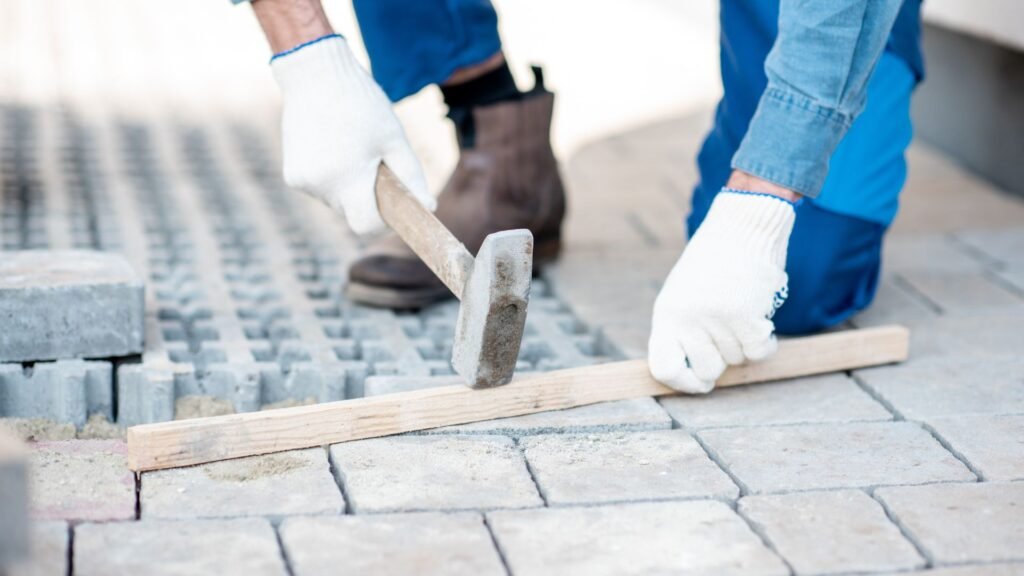
- More labour-intensive installation
- Potential for weed growth between joints if not maintained
- Movement possible if base or jointing sand deteriorates
Auckland-Specific Considerations
- Use darker pavers cautiously on full-sun north-facing driveways they can become uncomfortably hot
- Consider permeable pavers to assist with stormwater management requirements
- Ensure proper edging restraints to prevent spreading on soft clay soils
- Budget for periodic re-sanding and sealing to maintain appearance
Gravel and Chip Driveways
Gravel and loose chip remain common on lifestyle blocks and rural fringes like Kumeū, Clevedon, and Whitford as a cost-effective, easy-to-repair option that provides a natural aesthetic.
Cost Indication
Gravel driveways typically range from $40–$80 per square metre in Auckland, depending on:
- Extent of base work required
- Aggregate type and source
- Driveway length and width
- Access for delivery trucks
Advantages
- Lowest initial driveway cost among all options
- Natural look that suits rural and lifestyle properties
- Excellent drainage on well-prepared bases percolation rates of 100–500mm per hour
- Easy to top up and re-grade after heavy use
- Uses recycled materials like recycled concrete aggregate as a base
Disadvantages for Auckland
- Loose stones track onto roads and into garages
- Rutting develops on steep or heavily used sections
- Noise and dust in dry summer conditions
- Washouts after major rain events stones can migrate 10–20cm without proper containment
- Unsuitable for steep Auckland sites exceeding 5% slope
Best Applications
In many built-up Auckland suburbs, gravel works better as:
- A temporary surface during staged development
- Rear-access or secondary driveways with light traffic
- Combined with hard surfaces (concrete entry apron with gravel beyond)
- Budget-conscious solutions on flat lifestyle blocks
Permeable and Sustainable Driveway Systems
Permeable paving solutions represent a significant shift in how Auckland approaches driveway construction. Following the 2023 Auckland Anniversary floods and ongoing climate resilience planning, both Auckland Council and homeowners are prioritising stormwater management in new projects.
Key Systems Available
| System Type | Description | Load Capacity |
|---|---|---|
| Permeable concrete | Porous mix allowing water infiltration | Standard vehicle loads |
| Permeable pavers | Interlocking units with gravel-filled joints | Up to 40 tonnes per axle |
| Plastic grid systems | Recycled plastic grids filled with pebbles or grass | Heavy residential and light commercial |
Products like PebbleLock and SurePave use high-density polyethylene grids that stabilise aggregate or grass while allowing water to drain naturally through the surface.
Benefits for Auckland Properties
- Reduced surface runoff by 70–90% compared to traditional hard surfaces
- Less ponding water on clay soils
- Better compliance with council stormwater objectives
- Reduced load on aging street drainage systems
- Potential to contribute to biodiversity and green outcomes
Typical Pricing
Permeable surfaces usually sit in the mid-to-upper price range, often comparable to or 10–20% higher than quality standard pavers. The additional cost reflects specialised base construction, including:
- Geotextile fabric separation layers
- 150–300mm drainage aggregate
- 50–100mm paver depth
Ideal Use Cases
- Driveways in flood-prone suburbs
- Infill housing sites with large roof areas generating significant stormwater runoff
- Environmentally conscious homeowners pursuing Green Star or Homestar outcomes
- Properties where council has flagged stormwater concerns during consent
If you’re considering permeable options, discuss them with your paving contractor early. These systems require different base design and excavation depths than conventional driveways, and retrofitting isn’t always practical.
Choosing the Best Driveway Option for Your Auckland Property
The “best” driveway material is simply the one that fits your specific site and priorities. There’s no universal answer what works perfectly for a flat Flat Bush property might be entirely wrong for a steep Hillsborough section.
Key Decision Factors
Consider these questions before committing to a material:
- What vehicles will use the driveway daily? (SUVs vs light cars vs occasional trucks)
- What’s the driveway length and width?
- What’s the slope and access situation?
- How long do you plan to stay in the home?
- What’s your tolerance for ongoing maintenance?
- Does the surrounding landscape influence your aesthetic preferences?
Example Scenarios
A family in Glenfield replacing an ageing concrete surface might choose exposed aggregate concrete for a tidy, mid-range upgrade that complements their modern weatherboard home. The textured finish handles foot traffic and wet conditions well, and the 25-year lifespan aligns with their long-term ownership plans.
A rural property owner in Dairy Flat with a 100-metre driveway might opt for asphalt over the main run, with a decorative paver section at the garage entrance. This approach balances material costs over the large area while still creating visual appeal where it matters most.
A coastal home in Milford dealing with stormwater runoff concerns might combine premium pavers with permeable sections. This satisfies both the desire for high-end aesthetics and the practical need to manage water runoff on a constrained site.
Getting Quotes
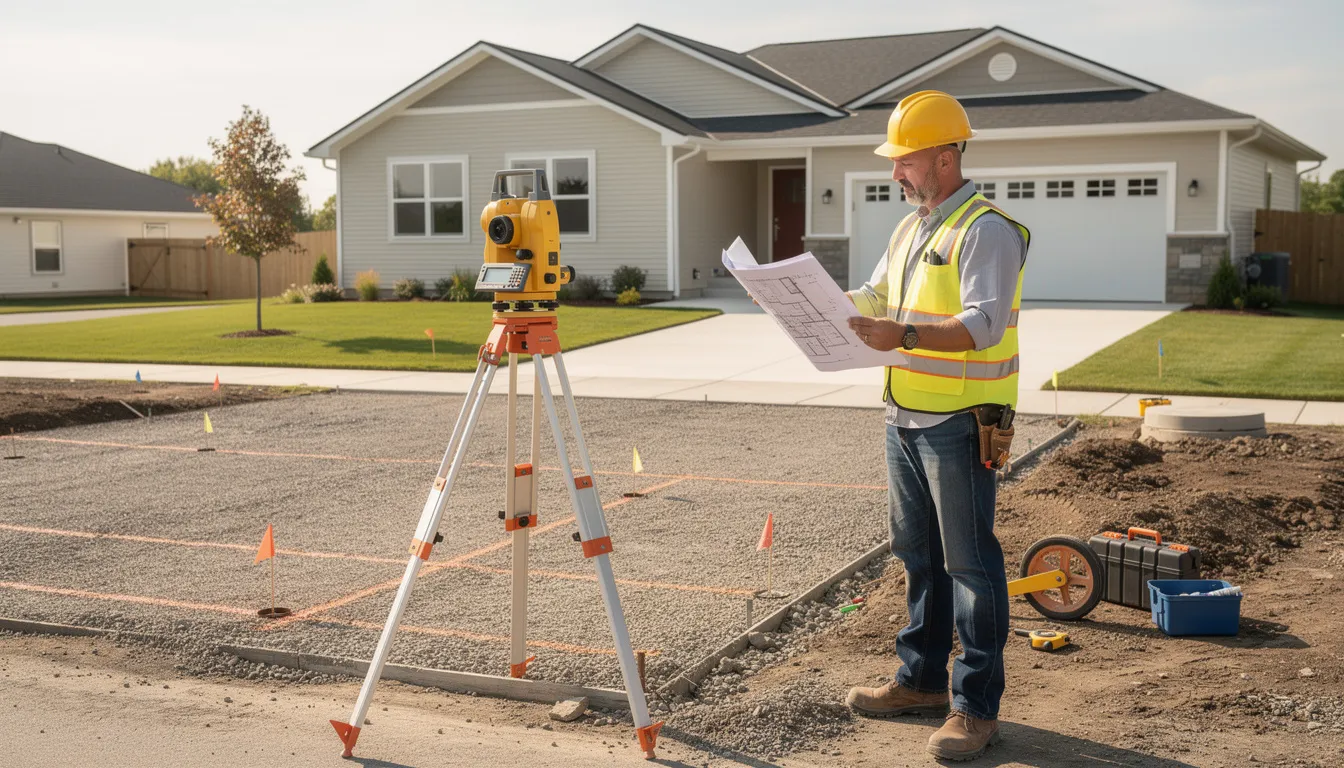
Aim for at least two or three written quotes from Auckland-based contractors. Ensure each quote includes:
- Site survey and assessment
- Base preparation specifications
- Drainage solutions proposed
- Material quantities and specifications
- Labour and timeline
- Any council liaison or consent assistance
Budget and Cost Planning
For most Auckland homeowners, cost is the deciding factor. However, prices vary significantly based on factors beyond just the paving material itself.
What Makes Up a Quote
| Component | What It Includes |
|---|---|
| Site survey | Assessment of existing conditions, levels, drainage |
| Excavation | Removing existing driveway and unsuitable soil |
| Base course | Supply and compaction of GAP20 or similar aggregate |
| Drainage | Soak pits, channels, connections to stormwater systems |
| Surfacing | The visible paving material and installation |
| Finishing | Edging, sealing, cleanup |
Factors That Increase Costs
- Narrow driveways with limited machine access
- Steep sites requiring extra engineering or retaining
- Deep excavation to reach stable subgrade
- Removal and disposal of existing concrete or contaminated fill
- Complex drainage channel requirements
- Premium finishes and decorative elements
Steep driveways in suburbs like Hillsborough, St Heliers, or parts of the North Shore often require thicker sections, additional reinforcement, or retaining structures all raising the final price.
Getting Comparable Quotes
Ask contractors for itemised estimates so you can compare:
- Different materials at the same specification level
- Optional extras (decorative borders vs plain finish)
- Base preparation approaches
This helps you understand where your budget is going and make informed trade-offs.
Design, Safety, and Everyday Use
Beyond material choice, several design considerations affect how well your new driveway functions day-to-day.
Practical Layout
- Ensure adequate off-street parking for your household vehicles
- Allow sufficient turning space, especially on narrow Auckland property frontages
- Maintain clear sightlines when backing onto busy streets
- Check gradients meet safety standards particularly important on sloping sites
Surface Safety
Textured surfaces significantly improve safety in Auckland’s frequent wet conditions. Options include:
- Broom-finished or exposed aggregate concrete (friction coefficient 0.6–0.8)
- Textured pavers with good slip ratings
- Avoiding smooth finishes in shaded areas prone to moss growth
Adequate lighting for winter evenings and early mornings also enhances safety, particularly for driveways with steps or grade changes.
Visual Integration
Your driveway is often the first thing visitors see. Consider how it integrates with:
- Your home’s exterior materials and colours
- Fencing and boundary treatments
- Front garden landscaping and garden beds
- The surrounding landscape and streetscape
A cohesive design improves curb appeal and can positively impact resale value.
Future-Proofing
While the driveway is being built, consider including:
- Conduit for EV charger installation
- Cable runs for gate automation
- Provision for future garden path connections
- Space for a backyard patio extension
Adding these during construction is far cheaper than retrofitting later.
Drainage and Base Preparation: The Make-or-Break Factor
Many Auckland driveway failures stem not from the surface material but from inadequate base and drainage on clay or fill sites. This is where experienced local contractors earn their value.
Good Practice Base Construction
A properly built Auckland driveway base typically includes:
- Excavation down to firm, stable subgrade
- Geotextile fabric to separate clay from aggregate base
- 150–200mm of compacted drainage aggregate (GAP20 or similar)
- Compaction in layers using plate compactor or roller
- Minimum 1–2% fall away from buildings
Auckland-Specific Challenges
Older suburbs often present surprises during excavation:
- Unknown fill from previous construction
- Buried rubble, tree stumps, or construction debris
- Poorly compacted ground that requires deeper excavation
- High water tables in low-lying areas
These situations may require engineering input or modified base designs, adding to project costs but ensuring proper drainage and long-term stability.
Drainage Requirements
On steep or long driveways, additional drainage elements are often essential:
- Spoon drains across the driveway surface
- Channel drains at the garage threshold
- Soak pits or connection to legal stormwater outfalls
- Swales directing water away from neighbouring properties
Questions to Ask Your Contractor
- How will you ensure proper drainage and manage water runoff?
- What base depth do you propose for our soil conditions?
- Will geotextile fabric be used to separate clay from the base?
- How will you handle any existing fill or unstable ground?
- What fall gradient will you achieve?
Understanding these details helps you evaluate quotes and avoid reducing runoff being an afterthought rather than a design priority.
Regulations and Auckland Council Considerations
While many standard residential driveway replacements don’t require full resource consent, there are important Auckland Council rules to check before starting your driveway project.
Common Regulatory Points
| Requirement | What It Covers |
|---|---|
| Vehicle crossing standards | Width, construction, and positioning at the kerb |
| Maximum slopes | Gradient limits for safe vehicle access |
| Sightline requirements | Visibility near intersections and pedestrian crossings |
| Footpath clearance | Not blocking or damaging public footpaths |
| Drainage channels | Not obstructing public drainage infrastructure |
When Additional Scrutiny Applies
Changes that increase hard surface area or alter stormwater flows may trigger additional council involvement. This is particularly relevant for:
- Subdivided sites or new builds
- Properties adding second vehicle crossings
- Driveways close to public stormwater systems
- Projects that significantly change how water drains from the site
Cross-leases and shared accessways often have additional requirements around maintenance responsibilities and consent from neighbours.
Getting It Right
Consult the current Auckland Council guidelines or speak with a planner before finalising designs, especially for:
- New builds requiring building consent
- Properties on heritage overlay zones
- Driveways affecting public assets
Experienced local driveway contractors are usually familiar with these requirements and can help design compliant solutions from the start, potentially saving time and avoiding costly revisions.
Maintaining Your Auckland Driveway for Long Life
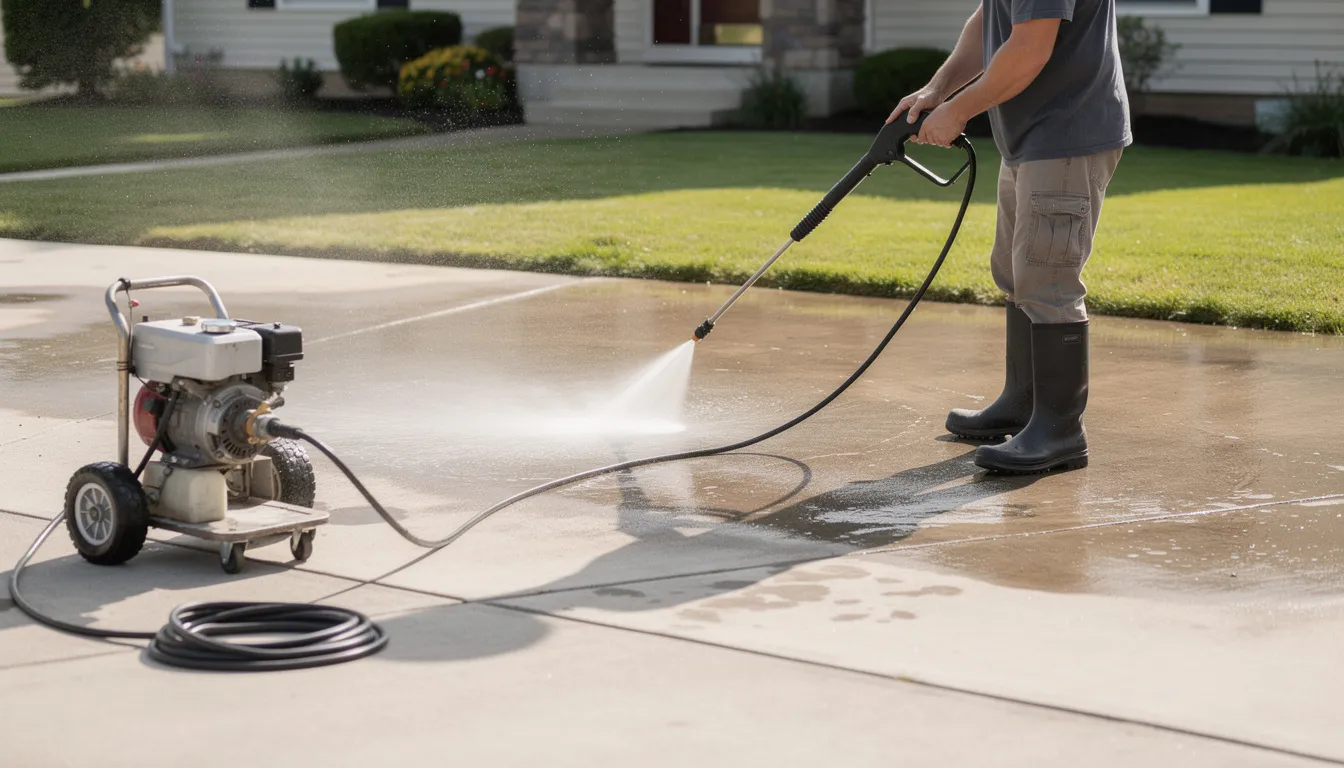
Auckland’s combination of heavy rain, strong UV, and organic debris leaves, pine needles, pollen, and bird droppings makes regular driveway maintenance essential for maximising lifespan.
Maintenance by Surface Type
| Surface | Regular Care | Periodic Treatment |
|---|---|---|
| Concrete | Water-blast or broom clean seasonally | Seal every 2–3 years ($5–10/m²) |
| Asphalt | Sweep debris, remove stains promptly | Re-seal every 3–5 years |
| Pavers | Sweep joints, remove weeds | Re-sand joints as needed, seal if desired |
| Gravel | Rake and redistribute after storms | Top up aggregate annually |
| Permeable | Occasional hosing to maintain porosity | Check for sediment blocking drainage |
Addressing Moss and Algae
For driveways in shaded or south-facing positions, moss growth creates slip hazards and unsightly appearance. Address this by:
- Using appropriate moss and algae cleaners (avoid harsh acids on coloured surfaces)
- Applying with low-pressure spray rather than high-pressure blasting
- Considering preventive treatments after cleaning
- Improving airflow or sunlight if possible through pruning adjacent vegetation
Annual Check-Up
After each winter, inspect your entire driveway for:
- Cracks developing or widening
- Depressions or settling sections
- Blocked drains or ponding areas
- Loose edges or displaced pavers
- Drainage aggregate migration
Addressing small repairs promptly prevents damage spreading and keeps maintenance costs low over the driveway’s life.
Well-maintained driveways in Auckland typically last decades longer than neglected ones and present significantly better when it comes time to sell your Auckland property.
Frequently Asked Questions About Driveway Paving in Auckland
What are the budget-friendly driveway options available in Auckland?
Gravel driveways are a budget-friendly option, offering a natural aesthetic and ease of installation. However, they require frequent maintenance and replenishment to keep the surface even and attractive.
How long do asphalt driveways typically last in New Zealand?
Asphalt driveways generally last between 15 to 30 years with proper maintenance. They are a cost-effective choice, particularly suited to cooler regions of New Zealand, though prices can vary based on local site conditions.
Can driveway paving increase the value of my Auckland property?
Yes, quality driveway paving enhances property value by improving usability, drainage, and curb appeal. Well-designed driveways are attractive to buyers and withstand Auckland’s temperate climate, which includes frequent rain and coastal humidity.
What are some reputable driveway paving companies in Auckland?
Pavecraft Company Ltd is known for exceptional craftsmanship and high-quality materials in driveway paving. By Design Concrete & Paving is recognized for premium concrete paving solutions and high customer satisfaction.
Are there specific regulations for driveway construction in Auckland?
Auckland Council has regulations regarding driveway construction, especially concerning permeable surfaces and driveway crossovers. It is important to consult the council’s guidelines before starting any paving project.
How should I maintain concrete pavers in Auckland’s damp climate?
Concrete pavers require moderate maintenance to prevent moss and algae growth in shaded or damp areas. Regular cleaning and sealing can help prolong their lifespan, especially in high-traffic zones.
How often should asphalt driveways be resealed?
Asphalt driveways should be resealed every 3 to 5 years to prevent damage from oxidation and wear, ensuring longevity and maintaining a smooth surface.
What is the typical lifespan of concrete pavers?
Concrete pavers can last over 30 years and are capable of handling heavy vehicle loads when installed properly with a solid foundation.
What thickness is recommended for paving stones to support daily vehicle traffic?
A minimum thickness of 50mm for paving stones is recommended to support daily vehicle weight and ensure durability over time.
Are natural stone pavers suitable for Auckland’s climate?
Natural stone pavers provide a high-end aesthetic and durability, making them an excellent choice for Auckland’s climate. They also offer good slip resistance and long-lasting performance.
What are the benefits of porcelain pavers?
Porcelain pavers are low-maintenance, dense, and stain-resistant, making them ideal for high-humidity areas like Auckland. They offer a natural aesthetic with minimal upkeep.
How does modern driveway construction improve drainage?
Modern driveway construction emphasizes drainage management by allowing water to infiltrate through permeable surfaces, reducing runoff and helping to manage stormwater naturally.
Can using recycled materials for driveways be environmentally beneficial?
Yes, using recycled materials in driveway construction contributes to a circular economy and reduces environmental impact, aligning with sustainable building practices.
What are grass driveways and where are they suitable?
Grass driveways use reinforced grids or permeable blocks that allow grass to grow in between, creating a sturdy and eco-friendly surface. They are suitable for properties seeking a natural look with good drainage.
How important is proper installation and material selection for driveway longevity?
Proper installation and selecting the right materials significantly affect the long-term costs and durability of driveway paving. A well-prepared base and quality materials help prevent common issues like cracks, potholes, and pooling water common in New Zealand’s weather.
How long will a new driveway last in Auckland’s conditions?
A well-built concrete or paver driveway in Auckland can last 25–30 years or more, while asphalt typically lasts 15–25 years with proper maintenance. These figures assume quality base preparation, appropriate drainage solutions, and regular upkeep like sealing and cleaning.
Areas with heavy truck use, significant tree root intrusion, or very soft soils may see shorter lifespans unless extra design steps are taken during construction. Investing in proper base preparation and drainage upfront significantly extends how long any surface will perform.
Do I always need consent to replace an existing driveway in Auckland?
Simple like-for-like replacements within your property boundary usually don’t require full resource consent. However, works that alter vehicle crossings, affect street kerbs, or change how stormwater flows from your site can trigger council involvement.
Before starting any driveway project, check Auckland Council’s current online guidance or call their planning helpline. This is especially important if you’re widening the driveway, adding a second vehicle crossing, or building close to public drains or stormwater systems.
What driveway material is best for steep Auckland sites?
On steeper driveways, textured concrete, exposed aggregate, or textured pavers generally provide the best grip compared with smooth concrete surface options or loose gravel. The static friction coefficient on textured surfaces (0.6–0.8) is significantly better than smooth alternatives.
For very steep sites, professional engineering advice is important to manage both vehicle traction and safe water runoff. Laying concrete or pavers incorrectly on steep grades can lead to vehicles scraping at the kerb or garage threshold, water channelling destructively down the slope, and long-term structural issues.
Can I DIY my driveway or should I hire an Auckland contractor?
Experienced DIYers sometimes successfully install small gravel areas or simple garden path sections. However, full driveways carrying vehicles benefit significantly from professional base preparation, compaction equipment, and drainage design expertise.
Errors in slope, base depth, or drainage can be extremely expensive to fix later often requiring complete removal and reconstruction. For most Auckland homeowners, hiring a reputable paving contractor is the safer long-term choice that protects your investment and ensures tailored solutions for your specific site conditions.
How can I make an older Auckland driveway look better without full replacement?
Several approaches can refresh an aging driveway without the expense of complete reconstruction:
- Professional cleaning and re-sealing of existing concrete or asphalt
- Adding a decorative paver border to frame existing outdoor space
- Resurfacing with a new asphalt overlay (where base is still sound)
- Replacing just the front section with pavers for improved street appeal
- Repairing cracks and addressing localised drainage issues
Enhancing landscaping, adding quality lighting along edges, and improving the connection to garden beds can transform the overall appearance at lower cost than a full rebuild.
Conclusion
Choosing the best driveway paving options in Auckland requires careful consideration of local climate, soil conditions, and your specific needs. Whether you opt for durable concrete driveways, cost-effective asphalt driveways, stylish paver driveways, or innovative permeable paving solutions, prioritising proper base preparation and drainage is essential to ensure longevity and performance. Sustainable choices like permeable pavers not only enhance curb appeal but also help manage stormwater runoff, aligning with Auckland Council’s environmental goals.
Working with an experienced local contractor familiar with Auckland’s unique terrain and regulations can make all the difference in achieving a driveway that is both functional and visually appealing. Regular maintenance, including sealing and cleaning, will extend your driveway’s life, keeping it safe and attractive for years to come.
Ultimately, the best driveway material and design depend on your budget, vehicle use, aesthetic preferences, and long-term plans for your property. With thoughtful planning and expert guidance, you can create a beautiful, durable driveway that complements your Auckland home and stands up to New Zealand’s challenging weather conditions.