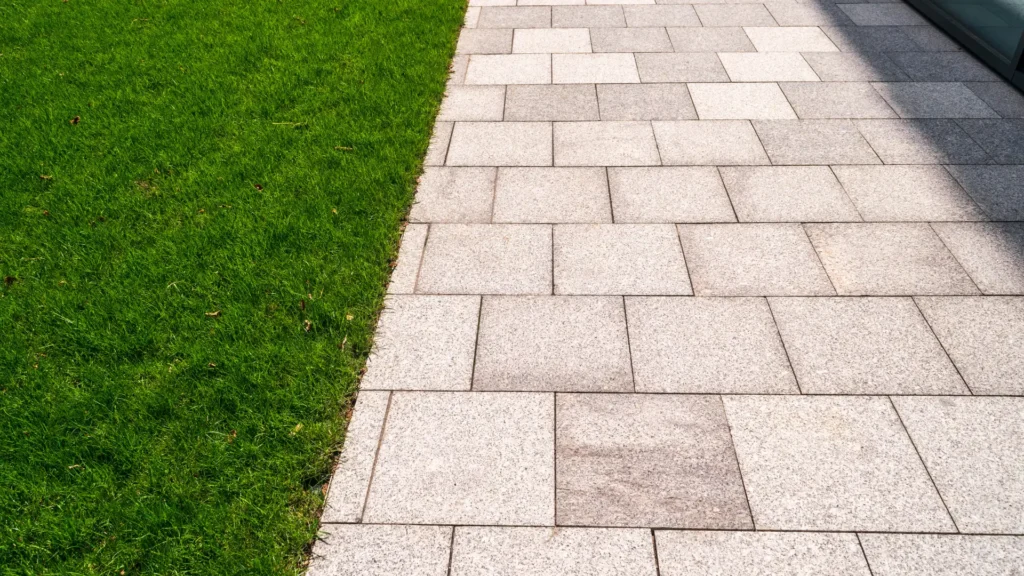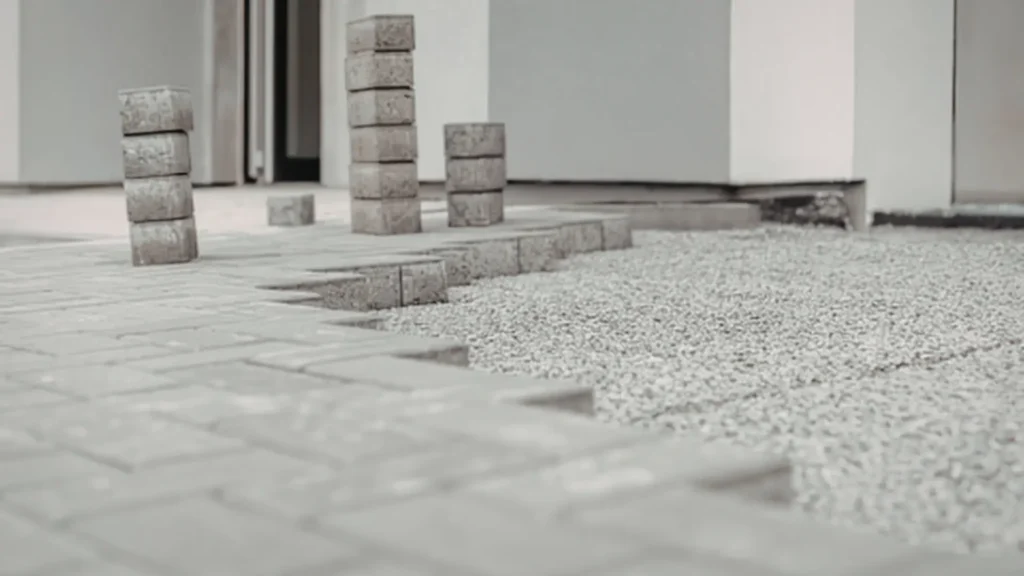
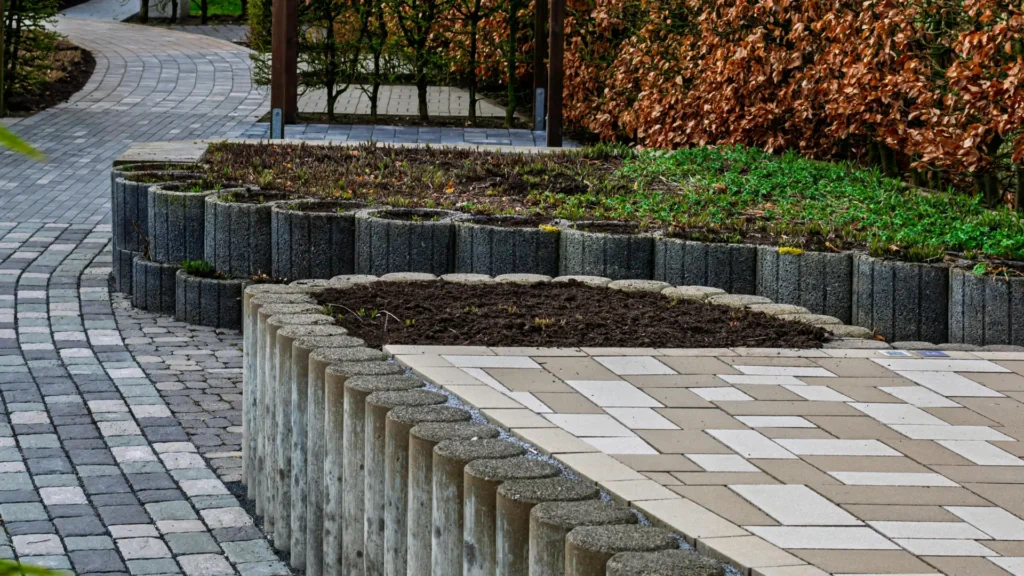
Welcome to your complete guide to garden paving ideas in Auckland, where smart design meets practical outdoor living to help you transform your space into something both beautiful and functional. Whether you are upgrading a small backyard or planning a full landscape redesign, the right paving choices can improve drainage, reduce maintenance, and create inviting areas for relaxing or entertaining in Auckland’s unique climate. In this guide, you will discover inspiring design ideas, durable material options, and expert tips tailored specifically for local conditions so you can confidently plan a garden that not only looks great but also performs well year-round.
Garden paving ideas in Auckland include concrete pavers, natural stone pathways, porcelain tiles, and permeable paving designs suited for wet conditions. The best options combine durability, drainage, and style, helping homeowners create functional outdoor spaces that handle Auckland’s climate while enhancing the overall look and value of the garden.
Table of Contents
Why Garden Paving Matters For Auckland Homes
Garden paving plays a much bigger role than simply improving how your outdoor space looks. In Auckland, where weather conditions, lifestyle preferences, and property expectations all influence design choices, the right paving can transform a garden into a practical, long-lasting extension of your home. From improving usability during wet seasons to creating visually appealing spaces for everyday living, well-planned paving is one of the most valuable upgrades you can make.
Enhancing Outdoor Living Spaces
Auckland homeowners place a strong emphasis on outdoor living, and paving helps define and elevate how these spaces are used. Instead of having a garden that is purely decorative, paving allows you to create structured areas that support real daily activities.
A well-designed paved area can turn unused outdoor space into a functional part of the home. Whether it is a dedicated dining patio, a quiet relaxation corner, or a pathway connecting different zones, paving gives your garden purpose and flow.
- Entertaining areas: A stable, level surface makes it easier to set up outdoor furniture, host gatherings, and create a comfortable space for guests
- Relaxation zones: Paved sections can be styled with seating, plants, and shade features to create calm, low-maintenance areas for unwinding
- Functional pathways: Clear walkways improve accessibility and connect different parts of the garden in a practical and visually appealing way
The indoor-outdoor lifestyle is a defining feature of many New Zealand homes, and paving plays a key role in making that transition seamless. When materials, colours, and layouts are chosen carefully, paved areas can visually extend indoor spaces outward, creating a cohesive and inviting environment that feels like a natural continuation of the home.
Improving Drainage and Reducing Mud
Auckland’s frequent rainfall and high moisture levels can quickly turn unpaved gardens into muddy, difficult-to-use spaces. This is one of the main reasons paving is not just a design choice but a practical necessity for many homeowners.
Without proper ground coverage, water tends to pool, soil becomes unstable, and lawns can suffer from overuse in wet conditions. Paving addresses these issues by providing a controlled surface that helps manage water more effectively.
- Water runoff control: Properly installed paving directs water away from key areas, reducing the risk of pooling and erosion
- Stable walking surfaces: Paved paths and patios remain usable even after heavy rain, improving safety and convenience
- Reduced mess and maintenance: Less exposed soil means less mud tracked into the home and fewer issues with patchy or damaged lawn areas
Permeable-paving options are especially useful in Auckland, as they allow water to pass through the surface and into the ground below. This helps maintain natural drainage patterns while still providing a durable and functional outdoor surface.
Increasing Property Appeal and Value
Garden paving has a direct impact on how a property is perceived, both by visitors and potential buyers. A well-designed outdoor space creates a strong first impression and signals that the home has been thoughtfully maintained.
From a visual standpoint, paving adds structure, contrast, and definition to a garden. It helps break up large green areas and introduces texture and variation, which makes the overall landscape feel more complete and professionally designed.
- Visual impact: Clean lines, quality materials, and thoughtful layouts instantly elevate the appearance of outdoor spaces
- Resale value: Buyers are more likely to be attracted to homes with usable, low-maintenance outdoor areas that require minimal upgrades
- Landscaping cohesion: Paving ties together different elements such as planting areas, decking, and fencing, creating a unified and balanced look
Beyond aesthetics, paving also suggests long-term durability and reduced maintenance, which are highly appealing features in the Auckland property market. When outdoor spaces are both functional and visually appealing, they contribute to a stronger overall impression of quality and livability.
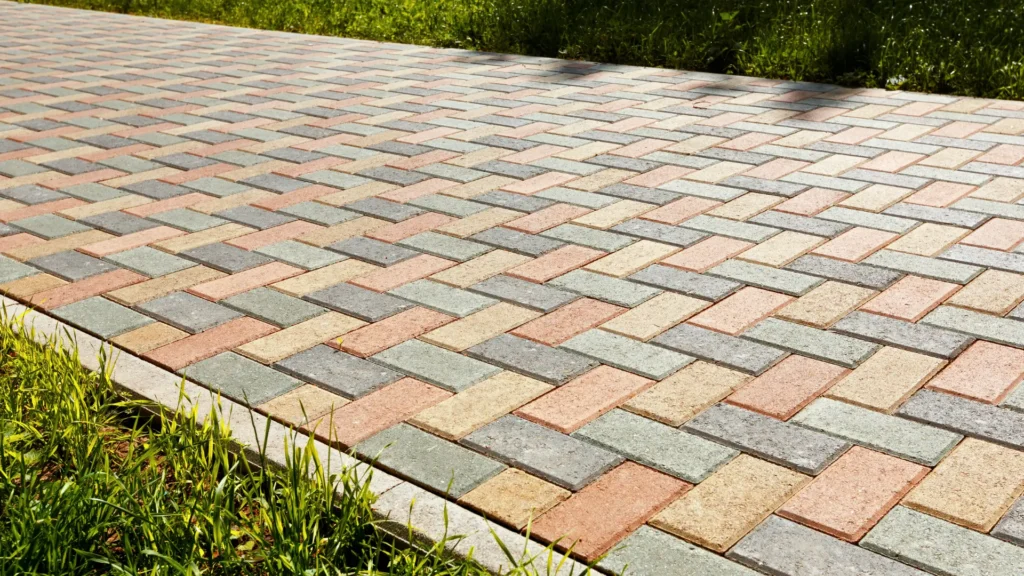
Key Factors To Consider Before Choosing Garden Paving
Before selecting any paving option, it is important to think beyond appearance and focus on how your choice will perform over time. Auckland’s unique environment, combined with the way you use your outdoor space, should guide every decision. By considering climate, budget, layout, and ground preparation early, you can avoid costly mistakes and create a durable, well-designed garden that works year-round.
Auckland Climate And Weather Conditions
Auckland’s weather plays a major role in how well your paving performs. Frequent rainfall, humidity, and coastal exposure mean that materials must be chosen carefully to handle both moisture and sun exposure without deteriorating or becoming unsafe.
- Rainfall impact: Auckland’s regular rain can lead to slippery surfaces if the wrong material is used, so choosing slip-resistant finishes is essential for safety in high-traffic areas
- Moisture retention: Some materials absorb more water than others, which can lead to staining, moss growth, or long-term damage if not properly sealed or maintained
- UV exposure: Strong sunlight can fade or weaken certain paving materials over time, especially lower-quality concrete or untreated stone
- Durability in coastal conditions: Salt-laden air in coastal suburbs can accelerate wear on some materials, making dense natural stone or high-quality porcelain a better long-term option
Choosing climate-suitable paving ensures your outdoor space remains safe, visually appealing, and structurally sound despite changing weather conditions.
Budget And Long-Term Maintenance
Budget planning should go beyond the upfront installation cost and include ongoing maintenance and lifespan. A cheaper material may seem attractive initially, but higher upkeep or shorter durability can make it more expensive over time.
- Initial cost considerations: Concrete pavers are generally more affordable, while natural stone and porcelain come at a higher price point due to material quality and installation complexity
- Ongoing maintenance: Some surfaces require regular sealing, cleaning, or weed control, which adds to long-term costs and effort
- Repair and replacement: Lower-cost materials may crack or shift more easily, leading to more frequent repairs compared to premium options
- Value over time: Investing in durable, low-maintenance paving can reduce future expenses and increase property appeal
A well-planned budget balances cost with performance, ensuring you get a paving solution that remains practical and attractive for years.
Garden Size And Layout
The size and layout of your garden directly influence the type of paving design that will work best. A well-thought-out layout not only improves functionality but also enhances the overall flow and usability of your outdoor space.
- Small-space strategies: Compact gardens benefit from simple layouts, lighter-coloured materials, and multi-use paved areas that avoid visual clutter
- Large-garden opportunities: Bigger spaces allow for more creative designs, such as defined zones, curved pathways, and feature paving elements
- Zone connection: Effective paving should create a natural transition between areas like patios, lawns, and pathways, improving movement and usability
- Proportion and balance: Oversized pavers in small spaces or overly busy patterns in large areas can disrupt the visual harmony of the garden
A well-planned layout ensures your paving not only looks good but also supports how you live and move through your outdoor space.
Drainage And Ground Preparation
One of the most overlooked aspects of garden paving is what lies beneath the surface. Proper ground preparation is critical to prevent structural issues and ensure long-term performance, especially in Auckland’s wet conditions.
- Stable base foundation: A properly compacted base layer provides support and prevents shifting, sinking, or uneven surfaces over time
- Correct levelling: Ensuring the surface is level, with a slight slope where needed, helps direct water away from structures and prevents pooling
- Drainage planning: Incorporating drainage solutions such as permeable paving or drainage channels reduces water buildup and protects the integrity of the paving
- Erosion prevention: Without proper preparation, water runoff can wash away base materials, leading to instability and costly repairs
Choosing the right garden paving is not just about style but about making smart, informed decisions that suit Auckland’s conditions and your lifestyle. By focusing on these key factors early, you set a strong foundation for a functional and long-lasting outdoor space.
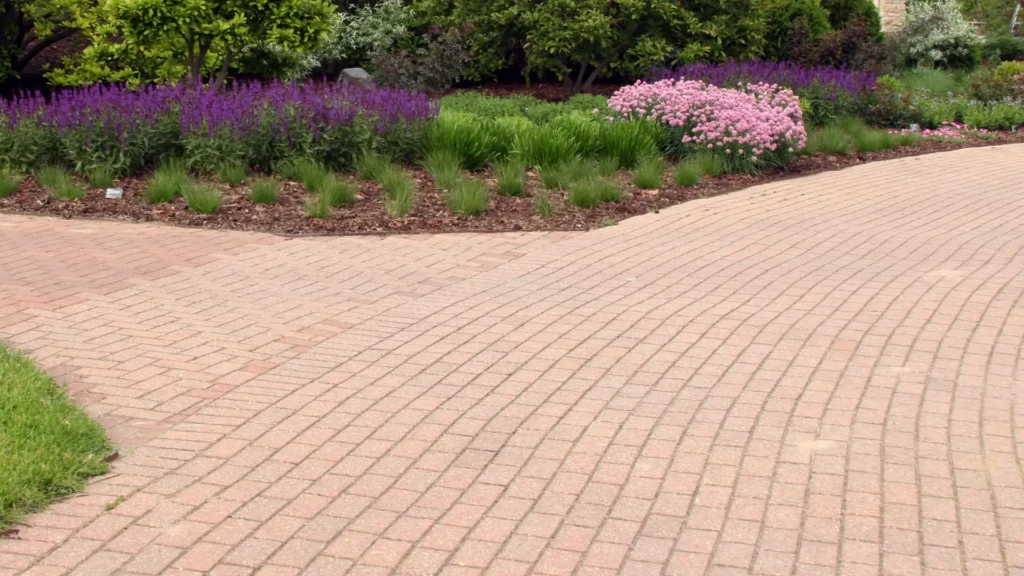
Popular Garden Paving Materials In Auckland
Choosing the right paving material is one of the most important decisions when designing an outdoor space in Auckland. The local climate, which includes frequent rainfall and coastal exposure in some areas, means homeowners need materials that balance durability, safety, and visual appeal. Whether you are exploring paving stones Auckland suppliers offer or comparing outdoor paving NZ options, understanding how each material performs in real-world conditions will help you make a smarter long-term investment.
Concrete Pavers
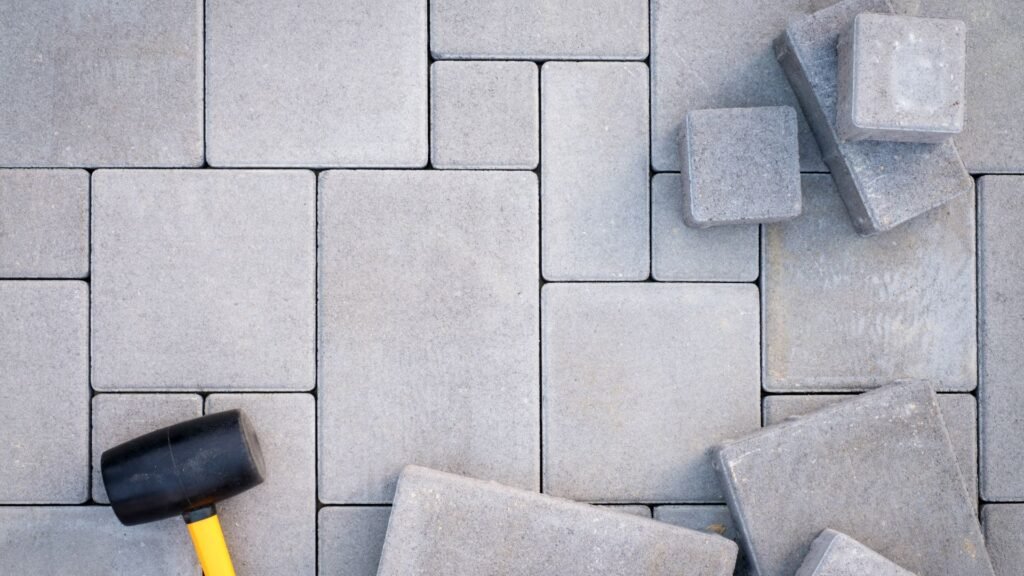
Concrete pavers remain one of the most popular choices for Auckland homeowners because they offer a reliable balance between cost, durability, and design flexibility. They are widely available, easy to install, and adaptable to both modern and traditional landscapes.
- Affordability: Concrete pavers are typically more budget-friendly than natural stone, making them ideal for large areas such as patios or driveways without compromising quality.
- Versatility: They come in a wide range of sizes, shapes, and colours, allowing you to create anything from clean, minimalist layouts to more detailed patterns.
- Durability: When installed correctly with a solid base, concrete pavers can handle Auckland’s wet conditions and regular use with minimal issues.
- Modern finishes: Many options now feature textured or matte surfaces that mimic natural stone while offering better consistency and cost control.
From experience, concrete pavers work especially well for homeowners who want a polished look without the higher price tag of premium materials, while still maintaining long-term performance.
Natural Stone (Bluestone, Granite, Sandstone)
Natural stone is often chosen for its high-end appearance and long-lasting performance, making it a premium option for outdoor paving NZ projects. It adds a sense of authenticity and character that manufactured materials can find difficult to replicate.
- Premium aesthetic: Each stone has unique variations in colour and texture, creating a natural, one-of-a-kind finish that elevates any garden design.
- Durability in coastal environments: Stones like granite and bluestone are highly resistant to moisture, salt exposure, and wear, making them well-suited for Auckland’s coastal areas.
- Longevity: With proper installation and occasional maintenance, natural stone can last for decades without losing its appeal.
- Design flexibility: It works well in both formal layouts and more organic, free-flowing garden designs.
While natural stone requires a higher upfront investment, it often delivers better long-term value due to its durability and timeless appeal.
Brick Paving
Brick paving offers a classic look that has remained popular for generations, particularly in homes with traditional or heritage-style architecture. It provides warmth and character that can soften the overall landscape design.
- Timeless appeal: Brick creates a familiar, welcoming look that complements older homes and established gardens.
- Strength and reliability: Quality bricks are durable and can withstand regular foot traffic and varying weather conditions.
- Pattern options: Layouts such as herringbone or basket-weave add visual interest without needing multiple materials.
- Easy repairs: Individual bricks can be replaced if damaged, making maintenance more manageable over time.
Brick paving is a strong choice for homeowners who want a traditional-style garden that feels cohesive and grounded, especially in established Auckland neighbourhoods.
Porcelain Pavers
Porcelain pavers have become increasingly popular in modern outdoor paving NZ designs due to their sleek appearance and low-maintenance properties. They are manufactured to deliver consistent quality and performance in a range of conditions.
- Low maintenance: Porcelain is non-porous, which means it resists stains, moss growth, and moisture absorption, reducing the need for ongoing upkeep.
- Modern design: Clean lines and uniform finishes make porcelain ideal for contemporary outdoor spaces and minimalist layouts.
- Slip-resistant options: Many outdoor-rated porcelain pavers are designed with textured surfaces that improve safety in wet Auckland conditions.
- Durability: They are resistant to fading, scratching, and weather-related wear, making them a reliable long-term option.
Porcelain is particularly well-suited for homeowners who want a modern, high-performance surface that maintains its appearance with minimal effort.
Gravel and Stepping Stones
Gravel combined with stepping stones is a practical and budget-conscious solution that works well for informal garden paths and low-traffic areas. It offers flexibility in design while still delivering functionality.
- Cost-effective solution: Gravel is one of the most affordable paving options, making it suitable for large areas or secondary pathways.
- Flexible layout: Stepping stones can be arranged in various patterns to suit natural garden flows and irregular spaces.
- Drainage-friendly: Gravel allows water to drain naturally, reducing the risk of pooling and helping manage Auckland’s rainfall.
- Natural aesthetic: This combination blends seamlessly with planting areas, creating a relaxed and organic feel.
Choosing the right paving material ultimately comes down to how you want your space to look, how it will be used, and how much maintenance you are willing to manage. By understanding the strengths of each option, you can create a well-designed outdoor area that performs reliably in Auckland’s conditions while enhancing the overall appeal of your home.
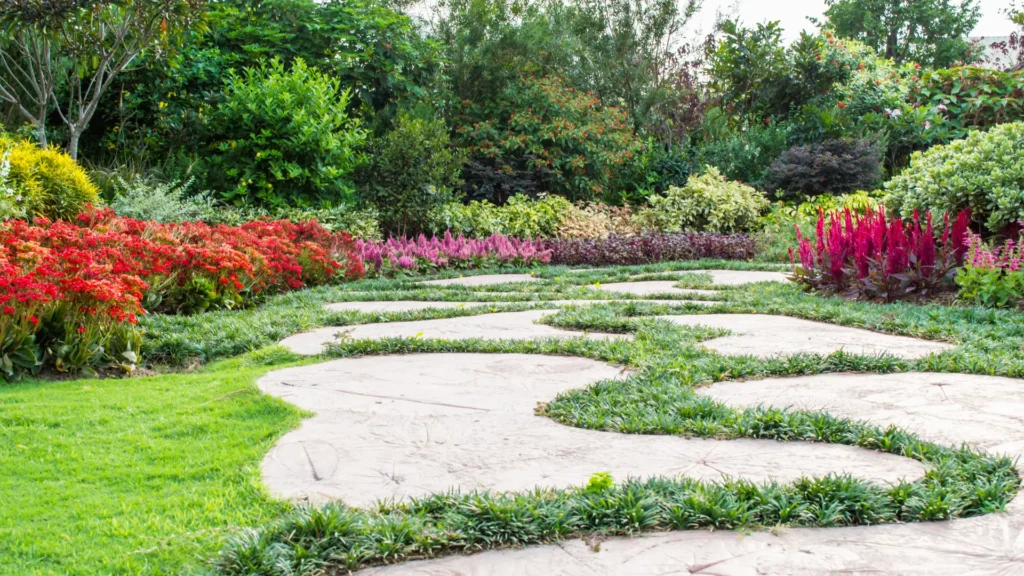
10 Garden Paving Ideas For Auckland Homes
Creating the right paving design can completely transform how your outdoor space looks and functions. In Auckland, where weather conditions and lifestyle needs both play a big role, choosing the right approach to garden paving is just as important as the materials themselves. The ideas below combine style, practicality, and climate-suited solutions to help you design a space that feels cohesive, durable, and easy to maintain.
1. Modern Concrete Slab Patio
A modern concrete slab patio is one of the most popular choices for Auckland homeowners who want a clean, low-maintenance outdoor area. Its simple structure works well with contemporary homes and creates a seamless indoor-outdoor connection.
- Minimalist aesthetic: Large-format slabs with consistent spacing create a sleek, uncluttered look that suits modern architecture
- Durability in wet conditions: Concrete performs well in Auckland’s damp climate when properly sealed and installed
- Flexible design options: You can choose different finishes such as exposed aggregate or smooth-polished surfaces to match your style
This option is ideal if you want a practical entertaining area that requires minimal upkeep over time.
2. Natural Stone Pathways
Natural stone pathways bring a timeless, high-end feel to any garden while blending beautifully with Auckland’s natural landscape. They work especially well in gardens with planting, trees, and uneven terrain.
- Organic appearance: Irregular shapes and textures create a natural-flowing pathway that feels integrated into the garden
- Long-term durability: Materials like bluestone and granite are highly resistant to weathering and foot traffic
- Visual depth: Variations in colour and texture add character and prevent the space from feeling flat
This is a great choice if you want a garden that feels more relaxed and nature-inspired rather than structured.
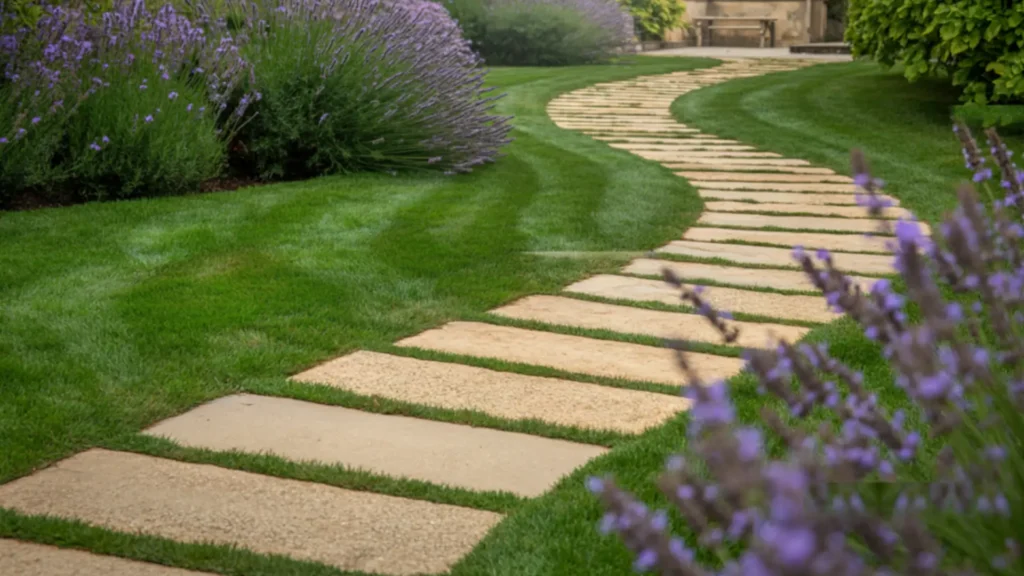
3. Stepping Stone Garden Walkways
Stepping stone walkways are a simple yet highly effective way to guide movement through your garden without overwhelming the space. They are especially useful in smaller Auckland properties or informal garden layouts.
- Lightweight design impact: Spacing stones with grass or gravel between them keeps the area feeling open
- Cost-effective solution: Requires fewer materials compared to full paving coverage
- Easy installation: Can be adapted over time as your garden evolves
This approach works well for connecting different zones while maintaining a soft, natural look.
4. Mixed Material Paving Designs
Combining different materials allows you to create a more dynamic and visually interesting outdoor space. This design approach is becoming increasingly popular in Auckland landscaping projects.
- Defined zones: Use stone for pathways, timber for decking, and gravel for transitions to create functional areas
- Contrast and texture: Mixing materials adds depth and prevents the design from feeling one-dimensional
- Customised layout: You can tailor the combination to suit both modern and traditional homes
When done well, this approach gives your garden a professionally designed, high-end finish.
5. Outdoor Dining Patio Areas
A dedicated outdoor dining patio is a practical addition that supports Auckland’s lifestyle of entertaining and spending time outside. The key is creating a space that is both functional and comfortable year-round.
- Purpose-built layout: Ensure enough space for seating, movement, and accessibility
- Slip-resistant surfaces: Important for safety during wet conditions
- Integration with the home: Position the patio close to the kitchen or indoor living area for convenience
This type of paving adds real value by turning your garden into a usable extension of your home.
6. Raised Paving With Garden Borders
Raised paving introduces subtle elevation changes that can make a garden feel more structured and visually appealing. It is particularly effective for sloped or uneven Auckland sections.
- Improved drainage control: Elevation helps direct water away from key areas
- Defined edges: Garden borders create clear separation between paving and planting
- Layered design effect: Adds depth and dimension to otherwise flat spaces
This idea works well if you want a more refined and organised outdoor layout.
7. Curved Garden Paths
Curved pathways soften the overall look of your garden and create a more natural, inviting flow. This design works especially well in larger or landscaped Auckland gardens.
- Gentle movement: Curves guide the eye and make the space feel more dynamic
- Less rigid appearance: Breaks away from straight lines for a more relaxed atmosphere
- Better integration with planting: Works naturally around trees, shrubs, and garden features
Curved paths are ideal if you want to avoid a formal or overly structured design.
8. Permeable Paving Solutions
Permeable paving is a smart, eco-friendly option that addresses Auckland’s frequent rainfall while maintaining a polished look. It allows water to drain through the surface rather than pooling.
- Effective water management: Reduces runoff and helps prevent flooding or erosion
- Environmentally conscious design: Supports sustainable landscaping practices
- Versatile appearance: Available in various styles, including grid systems and porous pavers
This is a practical solution for homeowners who want both performance and sustainability.
9. Courtyard-Style Paved Spaces
Courtyard-style paving is perfect for compact Auckland homes where space is limited but functionality is essential. It transforms small areas into private, usable outdoor zones.
- Space-maximising layout: Full paving coverage makes the area more usable
- Low-maintenance design: Reduces lawn care and ongoing upkeep
- Private retreat feel: Can be enhanced with seating, plants, and vertical elements
This idea is especially effective in urban settings where every square metre matters.
10. Feature Paving With Patterns Or Textures
Feature paving uses patterns or textured layouts to create a visual focal point within your garden. It is a simple way to elevate the overall design without adding extra elements.
- Design impact: Patterns like herringbone or staggered layouts create visual interest
- Custom character: Allows you to personalise the space to suit your style
- Highlighting key areas: Works well for patios, entrances, or central zones
A well-designed paving plan does more than improve appearance. It shapes how you use your outdoor space every day. By choosing ideas that suit Auckland’s climate and your lifestyle, you can create a garden that feels intentional, practical, and enjoyable all year round.
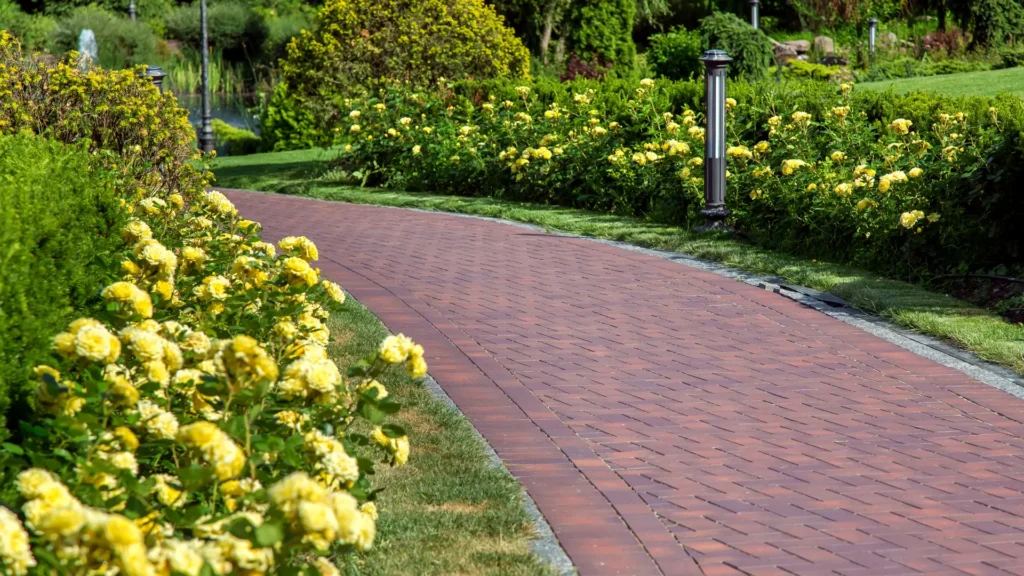
Best Paving Ideas For Small Auckland Gardens
Designing paving for a small Auckland garden requires a thoughtful approach that balances function, visual space, and durability. With the right layout and material choices, even compact outdoor areas can feel open, inviting, and highly usable. The key is to make intentional design decisions that maximise space while keeping the overall look clean and cohesive.
Space-Saving Layout Techniques
Smart layout choices can make a noticeable difference in how spacious a garden feels. Instead of simply filling an area with paving, consider how movement, flow, and purpose interact within the space.
- Diagonal paving layouts: Laying pavers at an angle draws the eye outward and creates the illusion of a larger area, making narrow or compact gardens feel more expansive.
- Multi-use zones: Design paved areas that serve more than one purpose, such as a patio that functions as both a dining space and a relaxation area, reducing the need for separate sections.
- Continuous pathways: Avoid breaking up the space with too many small sections. A continuous paving layout improves flow and makes the garden feel less confined.
- Integrated transitions: Blend paving seamlessly with lawn, decking, or garden beds to avoid harsh visual breaks that can make the space feel smaller.
In Auckland gardens where space is often limited, these layout strategies help create a more open, functional environment without overcrowding the design.
Light-Coloured Materials To Open Up Space
Material choice plays a major role in how large or small a garden appears. Lighter tones reflect more light, which can visually expand the area and make it feel brighter and more inviting.
- Reflective surfaces: Light-coloured concrete, porcelain, or natural stone helps bounce natural light around the space, especially useful in shaded or enclosed gardens.
- Consistent colour palette: Sticking to a unified colour scheme avoids visual fragmentation and creates a smoother, more open look.
- Subtle textures: Choose finishes with gentle texture rather than heavy patterns, as overly busy surfaces can make small spaces feel cluttered.
- Heat management: Lighter materials tend to absorb less heat, making paved areas more comfortable during warmer Auckland days.
Using the right colour and finish is a simple but highly effective way to enhance the perception of space without altering the physical size of the garden.
Minimalist Designs For Less Clutter
In smaller gardens, less is often more. A minimalist paving design focuses on simplicity, clean lines, and purposeful use of space, which helps reduce visual noise and improve overall usability.
- Simple layout patterns: Opt for straight or grid-based paving designs that create a structured, easy-to-follow visual flow.
- Limited material variation: Using too many materials can make the space feel busy, so it is best to stick to one or two complementary finishes.
- Built-in features: Incorporate seating or planters into the paving design to minimise the need for additional furniture and free up space.
- Decluttered surfaces: Keep paved areas open and avoid overcrowding with décor to maintain a clean, breathable environment.
A small garden does not have to feel limited. With the right paving choices, you can create a space that feels open, functional, and thoughtfully designed, allowing you to make the most of every square metre.
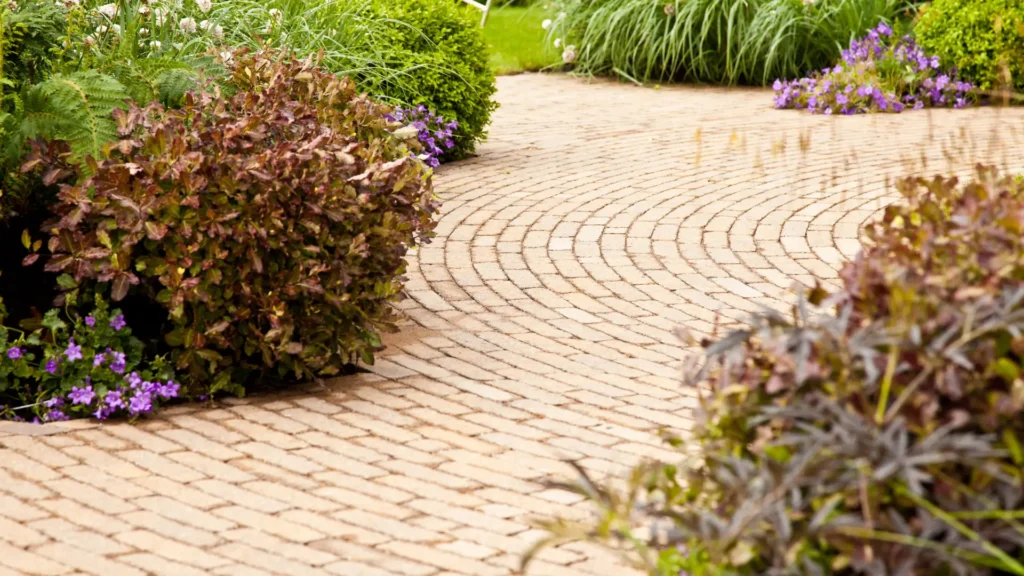
Practical Installation Tips (Expert Insights)
Getting garden paving right is not just about choosing the right material or design. The quality of installation has a direct impact on how long your paving lasts, how well it handles Auckland’s weather, and how safe and functional the space feels over time. Whether you are planning a DIY project or hiring a contractor, understanding the fundamentals of proper installation will help you avoid costly mistakes and ensure a long-lasting result.
Preparing the Base Properly
A well-prepared base is the foundation of any successful paving project. Without it, even the highest-quality pavers can shift, crack, or become uneven, especially in Auckland’s moisture-heavy environment. Proper preparation ensures stability, supports drainage, and extends the life of your paved surface.
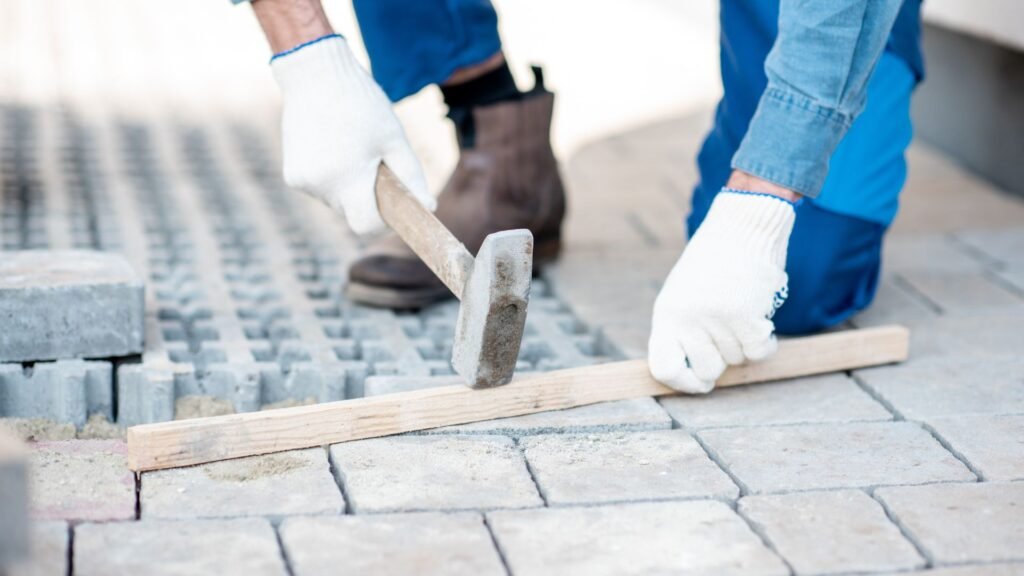
- Compaction: The ground must be compacted thoroughly before any materials are added. This reduces air pockets and prevents future sinking or movement, which is a common issue in poorly prepared sites.
- Layering: A strong base typically includes multiple layers such as crushed rock or aggregate, followed by a bedding layer like sand. Each layer should be evenly spread and compacted to create a stable, load-bearing foundation.
- Drainage: Effective drainage is essential in Auckland due to frequent rainfall. A slight slope should be built into the base to direct water away from the paved area, preventing pooling and long-term damage.
Taking the time to get the base right is one of the most important steps in the entire process. It is not visible once the paving is complete, but it determines how well everything performs.
Choosing the Right Contractor in Auckland
Hiring the right contractor can make a significant difference in the outcome of your paving project. Local expertise is especially important in Auckland, where soil conditions, weather patterns, and council requirements can vary across suburbs.
- Experience: Look for contractors with proven experience in garden paving projects similar to yours. Ask for examples of past work and check if they have handled different materials and site conditions.
- Local Knowledge: A contractor familiar with Auckland conditions will understand drainage challenges, soil types, and material performance. This knowledge helps prevent common issues like water pooling or surface shifting.
- Workmanship Standards: Pay attention to detail in previous projects, such as clean edges, consistent spacing, and level surfaces. These are signs of a contractor who prioritizes quality.
- Clear Communication: A reliable contractor should explain the process, timeline, and costs clearly. Transparency builds trust and reduces the risk of misunderstandings during the project.
Choosing a contractor is not just about price. It is about finding someone who can deliver a durable, well-finished result that suits your space and environment.
DIY vs Professional Installation
Deciding between a DIY approach and hiring a professional depends on the complexity of the project, your skill level, and the desired outcome. While DIY can be rewarding, it is not always the most practical option.
- When DIY Works: Simple projects like small garden paths or stepping-stone layouts can be suitable for DIY. These typically involve lighter materials and less complex preparation, making them manageable for homeowners with basic tools and time.
- When Professional Installation Is Better: Larger areas, sloped sites, or projects requiring precise drainage and structural stability are best handled by professionals. Mistakes in these situations can lead to uneven surfaces, water damage, and costly repairs.
- Time and Effort: DIY paving often takes longer than expected, especially without prior experience. Professional installers can complete the work more efficiently while maintaining consistent quality.
- Long-Term Results: Professionally installed paving tends to last longer and perform better under Auckland conditions. The upfront cost may be higher, but it often saves money in the long run by reducing maintenance and repairs.
Weighing these factors carefully will help you choose the right approach for your project and ensure your garden paving delivers both immediate and long-term value.
A well-installed paving project does more than improve the look of your garden. It creates a functional, durable outdoor space that supports everyday use and stands up to Auckland’s changing conditions, making the investment worthwhile for years to come.
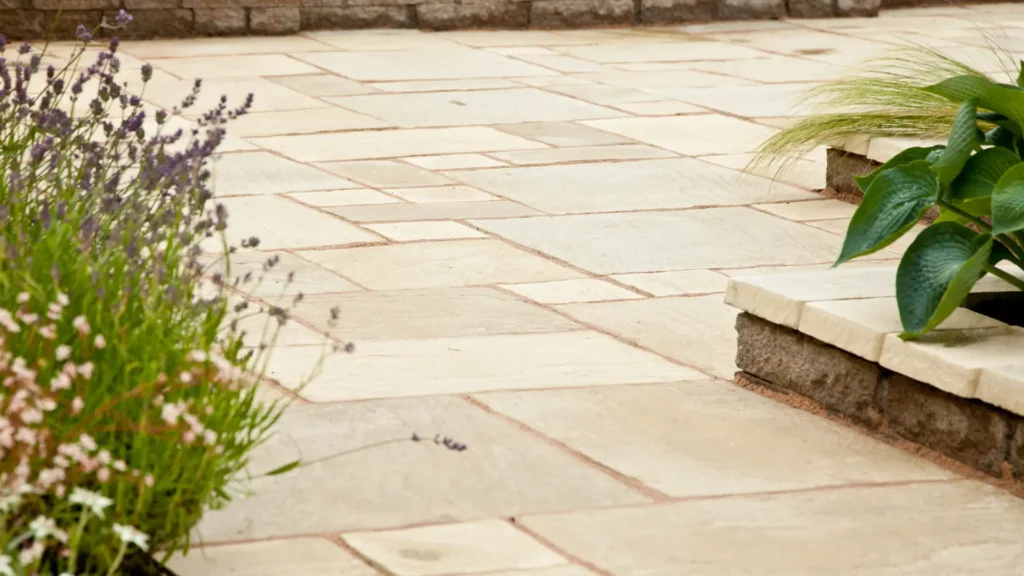
Common Garden Paving Mistakes To Avoid
Planning garden paving might seem straightforward at first, but small oversights can lead to costly problems down the track. In a climate like Auckland’s, where rain, moisture, and temperature changes all play a role, avoiding common mistakes is essential for creating a durable, safe, and visually appealing outdoor space. Understanding these pitfalls early helps ensure your paving project performs well long-term and delivers the results you expect.
Ignoring Drainage Requirements
One of the most common and costly mistakes in garden paving is failing to plan for proper drainage. Auckland’s regular rainfall means that water management should never be an afterthought, as poor drainage can quickly lead to structural issues and surface damage.
- Water pooling issues: Without proper slope and runoff design, water can collect on paved surfaces, leading to slippery conditions and gradual surface deterioration.
- Foundation instability: Excess moisture beneath the paving can weaken the base layer, causing pavers to shift, sink, or become uneven over time.
- Long-term damage: Persistent water exposure can result in cracking, erosion, and moss growth, especially in shaded or low-lying areas.
A well-prepared base with correct grading and drainage channels ensures water flows away from the paved area, protecting both the structure and surrounding landscape.
Choosing the Wrong Material for Climate
Not all paving materials are suited to Auckland’s damp and variable weather conditions. Choosing the wrong option can affect both safety and durability, especially in outdoor spaces that are exposed to frequent rain.
- Slippery surfaces: Some polished or smooth materials become hazardous when wet, increasing the risk of slips in high-traffic areas like patios or pathways.
- Weather sensitivity: Certain materials may absorb moisture, leading to staining, cracking, or faster wear when exposed to repeated wet and dry cycles.
- Inconsistent performance: Materials not designed for outdoor use may fade, weaken, or deteriorate faster under UV exposure and changing temperatures.
Selecting weather-resistant, slip-rated materials such as textured concrete, natural stone, or outdoor-grade porcelain helps ensure long-lasting performance and safety.
Poor Layout Planning
A well-designed paving layout should feel natural, functional, and connected to the overall garden design. Poor planning often results in spaces that look disjointed or fail to meet practical needs.
- Disconnected zones: Pathways that do not align with key areas such as entrances, seating spaces, or garden features can make the layout feel awkward and inefficient.
- Limited usability: Paving that does not consider furniture placement or movement flow can reduce how effectively the space is used.
- Visual imbalance: Inconsistent patterns or mismatched materials can disrupt the overall aesthetic, making the space feel cluttered or unfinished.
Taking the time to map out how the space will be used and how different areas connect ensures a cohesive and functional outdoor design.
Underestimating Maintenance Needs
Many homeowners focus on the initial look of their paving without considering the long-term maintenance required to keep it in good condition. This can lead to unexpected time and cost commitments later on.
- Ongoing cleaning requirements: Some materials are more prone to staining, moss growth, or dirt buildup, especially in damp environments.
- Sealing and protection: Certain paving types require regular sealing to maintain their appearance and protect against moisture damage.
- Repair and upkeep: Without proper care, minor issues such as cracks or loose pavers can develop into larger structural problems over time.
Choosing low-maintenance materials and understanding upkeep requirements in advance helps you avoid frustration and ensures your paving remains attractive and functional for years.
A well-planned garden paving project is about more than just choosing a style. By avoiding these common mistakes and focusing on proper design, materials, and installation, you can create an outdoor space that is both practical and visually appealing, built to handle Auckland’s conditions with confidence.
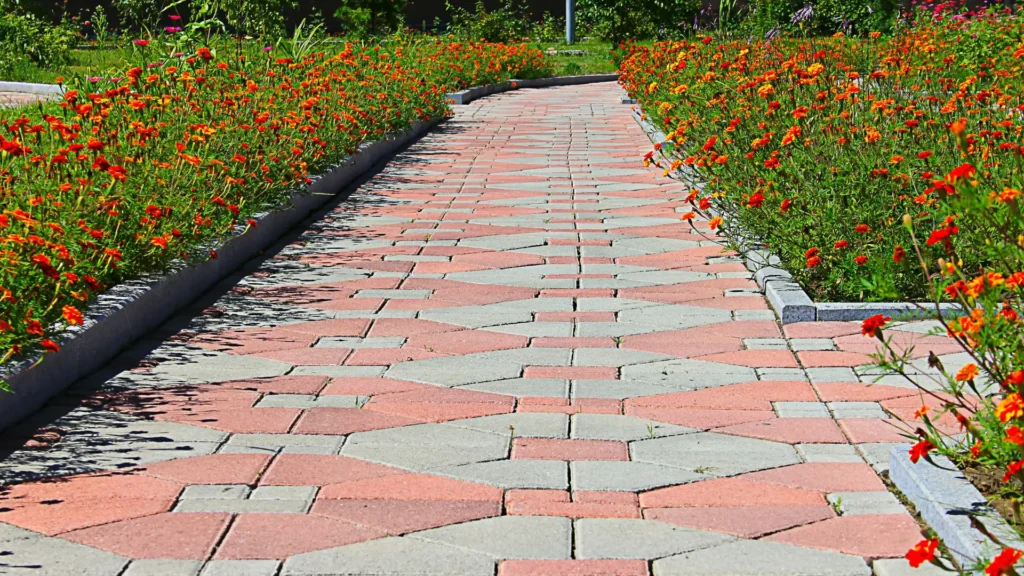
Maintenance Tips For Long-Lasting Garden Paving
Keeping your garden paving in great condition is not just about appearance, it is about protecting your investment and ensuring your outdoor space remains safe and functional over time. Auckland’s damp climate, combined with regular foot traffic and exposure to the elements, can gradually wear down even high-quality materials. With the right maintenance approach, you can extend the life of your paving, reduce repair costs, and keep your outdoor area looking clean and well-maintained year-round.
Regular Cleaning and Sealing
Routine cleaning and proper sealing are essential for preventing surface damage and maintaining the visual appeal of your paving. Dirt, organic debris, and moisture can build up quickly, especially in shaded or high-use areas, leading to staining and gradual deterioration if left untreated.
- Routine cleaning schedule: Sweep your paving weekly and wash it down with water every few weeks to remove dirt, leaves, and debris before they settle into the surface
- Deep-cleaning method: Use a mild detergent or a paving-safe cleaner with a stiff brush or low-pressure washer to remove stubborn stains without damaging the material
- Sealing protection: Apply a high-quality sealant to materials like concrete, natural stone, or brick to create a protective barrier against moisture, stains, and UV exposure
- Sealant timing: Reseal your paving every one to three years depending on the material and level of exposure to weather and foot traffic
A consistent cleaning and sealing routine not only preserves the look of your paving but also helps prevent long-term structural issues caused by moisture penetration.
Weed and Moss Control
Weeds and moss are a common issues in Auckland due to the region’s high humidity and frequent rainfall. Left unchecked, they can make your paving look neglected and create slippery surfaces that pose a safety risk.
- Preventive maintenance: Regularly sweep joints and gaps between pavers to remove organic matter where weeds can take root
- Weed-control solutions: Use eco-friendly weed killers or manual removal methods to eliminate growth without harming surrounding plants
- Moss treatment: Apply moss-removal treatments designed for outdoor paving to break down buildup and restore surface grip
- Joint stabilization: Refill joints with polymeric sand or similar materials to reduce space for weeds and improve overall stability
Managing weed and moss growth early keeps your paving safe, visually appealing, and easier to maintain over time.
Repairing Cracks and Uneven Surfaces
Even well-installed paving can develop minor issues over time due to ground movement, water exposure, or regular use. Addressing these problems early prevents them from becoming more serious and costly to fix.
- Crack identification: Inspect your paving periodically for small cracks or surface damage, especially after heavy rain or seasonal changes
- Minor crack repair: Use appropriate fillers or patching compounds for concrete or stone to seal small cracks before they expand
- Levelling uneven pavers: Lift and reset individual pavers that have shifted, ensuring the base is properly compacted and level before repositioning
- Drainage correction: Fix underlying drainage issues that may be causing movement or erosion beneath the paving
Taking a proactive approach to repairs helps maintain a stable, long-lasting surface and avoids the need for large-scale replacements.
Well-maintained garden paving not only enhances the overall look of your outdoor space but also ensures it remains safe, durable, and enjoyable for years to come. By combining regular care with timely repairs, you can protect both the function and value of your investment.
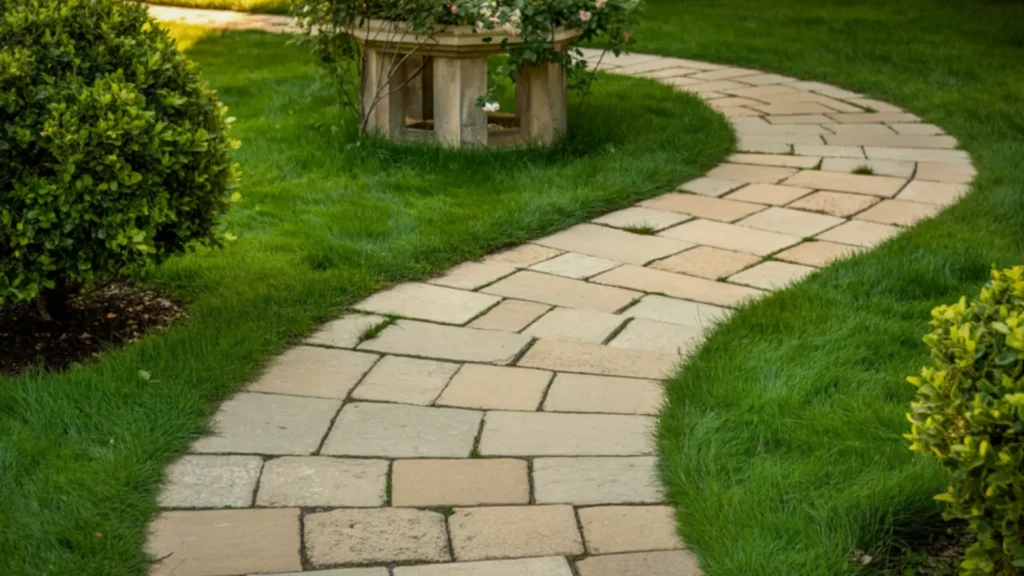
Cost Guide For Garden Paving In Auckland
Understanding the cost of garden paving in Auckland helps you plan your project realistically and avoid unexpected expenses. Prices can vary widely depending on the material you choose, the complexity of the design, and the condition of your site. By breaking down material costs, labour, and budgeting strategies, you can make informed decisions that balance quality, durability, and long-term value.
Average Costs By Material
The type of paving material you select has the biggest impact on your overall cost. Each option comes with its own price range, durability level, and maintenance requirements, so it is important to match your choice with both your budget and how you intend to use the space.
- Concrete Pavers: One of the most cost-effective options, concrete pavers typically offer a lower upfront cost while still providing durability and design flexibility. They are ideal for homeowners looking for a clean, modern finish without a high-end price tag.
- Natural Stone: Materials like bluestone, granite, or sandstone sit at the premium end of the spectrum. While more expensive, they offer a timeless, high-end appearance and excellent longevity, especially in coastal or high-moisture environments.
- Porcelain Pavers: Porcelain is a mid-to-high-range option known for its low-maintenance surface and modern aesthetic. It is resistant to stains, moisture, and fading, making it a strong long-term investment despite the higher initial cost.
When comparing materials, it is worth thinking beyond just the purchase price. Durability, maintenance, and how well the material performs in Auckland’s climate all contribute to the true long-term value.
Installation Costs And Labour
Labour and installation costs can sometimes equal or exceed the cost of the materials themselves, particularly for more complex projects. The final price depends on several site-specific and design-related factors.
- Site Preparation: Uneven ground, poor soil conditions, or the need for excavation can increase costs significantly. Proper base preparation is essential for preventing future issues like sinking or cracking.
- Design Complexity: Simple layouts with straight lines are generally more affordable, while intricate patterns, curves, or multi-level designs require more time and expertise.
- Drainage Requirements: In Auckland’s wet climate, ensuring proper drainage is critical. Additional drainage systems or permeable paving solutions may add to the overall cost but prevent long-term damage.
- Access To Site: Limited access for machinery or materials can increase labour time and costs, especially in urban or tightly spaced properties.
- Contractor Expertise: Hiring an experienced, Auckland-based contractor may cost more upfront, but it often results in better workmanship and fewer costly repairs later.
Investing in proper installation is one of the most important decisions you can make, as even high-quality materials can fail if the foundation is not prepared correctly.
How To Budget Effectively
A well-planned budget allows you to prioritise what matters most while keeping your project manageable. Rather than trying to do everything at once, a strategic approach can help you achieve better results over time.
- Prioritise High-Use Areas: Focus your budget on spaces that will be used the most, such as patios, walkways, or outdoor dining areas. These areas deliver the greatest return in both function and enjoyment.
- Phase Your Project: Breaking the project into stages allows you to spread costs over time while still making steady progress. Start with essential structural work, then add decorative elements later.
- Balance Cost And Longevity: Choosing slightly more expensive materials that last longer can reduce maintenance and replacement costs in the future.
- Plan For Hidden Costs: Always allow a contingency for unexpected expenses such as drainage fixes, additional base work, or site adjustments.
- Get Multiple Quotes: Comparing quotes from reputable contractors helps you understand the market rate and ensures you are paying a fair price for quality work.
By taking a practical and informed approach to budgeting, you can create a garden paving solution that not only fits your financial plan but also delivers lasting value and performance.
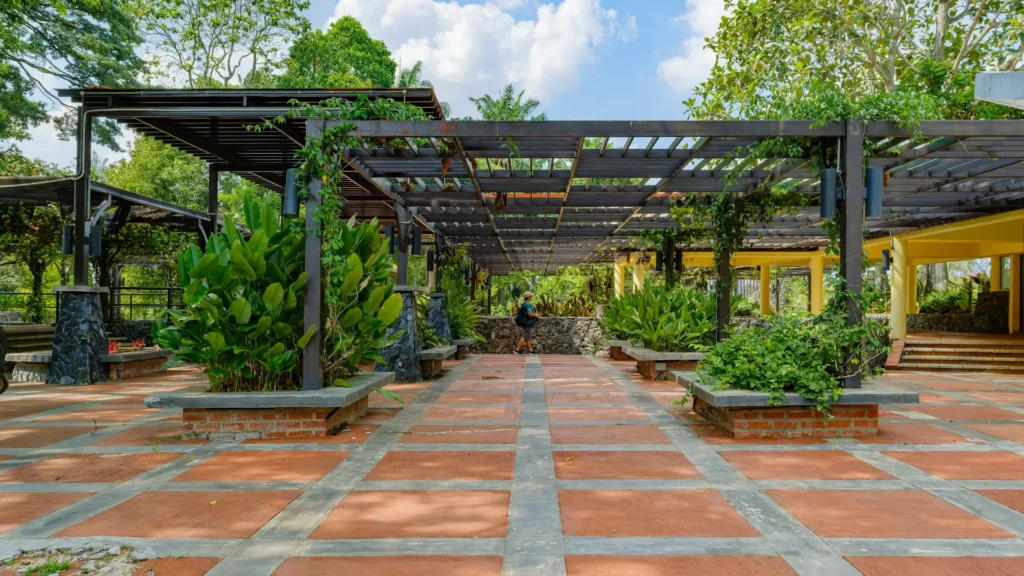
How To Choose The Right Garden Paving Style For Your Home
Choosing the right garden paving style is not just about appearance. It is about creating a cohesive outdoor space that complements your home, supports how you use the area, and performs well in Auckland’s conditions. A well-planned paving design brings together architecture, landscaping, and functionality so the entire outdoor area feels intentional rather than pieced together.
Matching Paving With House Architecture
Your home’s architectural style should guide your paving choices to ensure a seamless indoor-outdoor connection. When paving clashes with the house design, the space can feel disconnected, even if the materials are high quality.
Modern vs Traditional Homes
Modern homes typically benefit from clean, structured paving styles, while traditional homes often suit more textured and classic materials.
- Modern homes: Large-format concrete or porcelain pavers with smooth finishes work well for contemporary properties. Neutral tones like grey, charcoal, and off-white create a sleek, low-maintenance look that aligns with modern design principles. Straight lines and grid-based layouts help reinforce a structured, minimalist feel.
- Traditional homes: Brick paving, cobblestone, or natural-stone options such as sandstone and bluestone complement older or character-style homes. Warmer tones and varied textures add depth and charm, helping the paving feel established and in harmony with the property.
- Transitional styles: If your home blends modern and classic elements, consider mixed-material paving. Combining concrete with natural-stone accents or using subtle textures can create a balanced, cohesive result without leaning too far in either direction.
Coordinating With Landscaping Elements
Paving should not exist in isolation. It needs to work alongside surrounding landscaping features to create a unified outdoor design. This includes plants, fencing, decking, and other structural elements.
Plants, Fences, Decking
Careful coordination between paving and landscaping helps avoid visual clutter and improves the overall usability of the space.
- Plants and greenery: Choose paving colours that complement your planting palette. Light-toned pavers can brighten lush, green gardens, while darker tones can create contrast and highlight structured planting beds. Consider how paving edges meet garden borders to maintain a clean, well-defined look.
- Fences and boundaries: The colour and material of your fencing should align with your paving choices. For example, timber fences pair well with natural-stone or brick paving, while modern metal or painted fences suit smoother, contemporary pavers.
- Decking integration: If your outdoor space includes decking, ensure a smooth transition between surfaces. This can be achieved through consistent colour tones or by using complementary materials. A well-integrated deck-and-paving combination creates a more functional, multi-use outdoor area.
- Flow and layout: Plan pathways and paved zones so they connect naturally with key garden features. Avoid isolated sections that feel disconnected. Instead, create a logical flow that guides movement through the space.
Balancing Aesthetics And Functionality
A successful garden paving design must strike the right balance between how it looks and how it performs. Focusing only on aesthetics can lead to practical issues, while prioritizing function alone may result in a space that feels uninspiring.
Beauty vs Usability
The goal is to create a space that looks great while meeting your everyday needs, especially in Auckland’s variable weather conditions.
- Surface safety: Choose slip-resistant materials, particularly for areas exposed to rain. Textured finishes or specially designed outdoor pavers can reduce the risk of slipping without compromising appearance.
- Durability and wear: Consider how the space will be used. High-traffic areas such as walkways and entertaining zones require hard-wearing materials that can handle regular use without cracking or fading.
- Maintenance requirements: Some paving materials require more upkeep than others. Natural stone may need sealing, while gravel may require regular topping up. Select a solution that fits your willingness to maintain the space over time.
- Comfort and usability: Think about how the paving feels underfoot and how it functions in different seasons. For example, lighter-coloured pavers can stay cooler in the sun, making them more comfortable for barefoot use in summer.
- Practical layout: Ensure the paving layout supports how you use the space. Outdoor dining areas should be level and spacious, while pathways should be wide enough for easy movement.
Choosing the right garden paving style is about making informed decisions that reflect your home, your lifestyle, and your environment. When these elements come together, the result is an outdoor space that feels both visually cohesive and genuinely enjoyable to use.
If you are ready to turn these garden paving ideas into a space you can truly enjoy, taking the next step with the right guidance can make all the difference. Working with experienced professionals ensures your design is not only visually appealing but also built to last in Auckland’s conditions, helping you avoid costly mistakes and get better long-term results. Explore your options, gather inspiration, and connect with a trusted expert to bring your ideal outdoor space to life with confidence.
References
- Paving Auckland: A Practical Guide to Local Paving Options and Considerations
https://aucklandlandscaping.co.nz/uncategorized/paving-auckland-a-practical-guide-to-local-paving-options-and-considerations/ (The Auckland Landscape Company) - Best Paving Stones NZ: Types, Costs & Design Tips Explained
https://concretedrivewayauckland.co.nz/paving-stones-nz/ (concretedrivewayauckland.co.nz) - Concrete Paving Solutions in Auckland (Slatecrete)
https://www.slatecrete.co.nz/concrete-paving (slatecrete.co.nz) - Paving Auckland NZ: Materials, Installation & Design Options
https://bydesignconcrete.co.nz/paving-auckland-nz/ (By Design Concrete) - Paving Stones NZ: Types, Designs and Buying Guide
https://concretelayerssouthauckland.co.nz/paving-stones-nz/ (concretelayerssouthauckland.co.nz)
FAQs: About Garden Paving Ideas In Auckland
What are the best garden paving ideas for Auckland homes?
The best garden paving ideas in Auckland include concrete pavers, natural stone pathways, porcelain tiles, and permeable paving. These options balance durability, style, and drainage, making them suitable for the region’s wet and humid conditions while enhancing outdoor living spaces.
Which paving materials work best in Auckland’s climate?
Materials like concrete, porcelain, and natural stone perform well in Auckland due to their durability and resistance to moisture. Slip-resistant finishes are especially important because of frequent rain, helping ensure safety and long-term performance.
How much does garden paving cost in Auckland?
Costs vary depending on the material, design complexity, and site preparation, but generally range from moderate to high investment. Concrete is usually more affordable, while natural stone and porcelain tend to be more expensive due to material and installation requirements.
Is it better to hire a professional or do DIY paving?
DIY paving can work for small, simple projects, but professional installation is recommended for larger or more complex designs. Experts ensure proper drainage, base preparation, and durability, which are critical in Auckland’s climate.
What is the most low-maintenance paving option?
Porcelain pavers and sealed concrete are among the lowest maintenance options. They resist stains, require minimal cleaning, and are less prone to moss and weed growth compared to other materials.
How do I choose the right paving style for my garden?
Consider your home’s architecture, garden size, and how you plan to use the space. Modern homes often suit clean, minimal designs, while traditional properties work well with brick or natural stone for a more classic look.
What are common mistakes to avoid with garden paving?
Common mistakes include poor drainage planning, choosing unsuitable materials, and inadequate base preparation. These issues can lead to water pooling, cracking, and uneven surfaces over time.
Can paving improve drainage in my garden?
Yes, properly installed paving with the right slope and base can significantly improve drainage. Permeable paving options are especially effective as they allow water to pass through and reduce runoff.
What paving ideas work best for small Auckland gardens?
For smaller spaces, consider light-colored pavers, simple layouts, and multi-functional areas. Stepping stones and minimal designs can make the space feel larger while maintaining practicality.
How do I maintain garden paving in Auckland conditions?
Regular cleaning, sealing when needed, and controlling moss or weeds are essential for maintenance. Inspecting and repairing minor issues early helps extend the lifespan of your paving and keeps it looking its best.
Conclusion
Choosing the right garden paving is one of the most impactful decisions you can make for your outdoor space, especially in a climate like Auckland, where durability, drainage, and design all need to work together. From cost-effective concrete pavers to premium natural stone and low-maintenance porcelain, each material offers its own advantages depending on your goals, budget, and lifestyle, and the best results come from thoughtful planning, a clear understanding of how your space will be used, and careful attention to details like base preparation and water management. When you combine practical layout ideas with materials suited to local conditions, you create an outdoor area that not only looks visually appealing but also performs reliably throughout the year. If you are ready to upgrade your garden, taking the time to explore your options and plan properly can help you avoid costly mistakes while achieving a better long-term result, and speaking with experienced professionals or requesting a few detailed quotes can give you clarity on design possibilities, timelines, and costs so you can move forward with confidence and create a functional, stylish outdoor space that adds real value to your home.