Welcome to your complete guide to permeable paving Auckland benefits, where we break down why this modern paving solution is becoming a preferred choice for homeowners and businesses across the region. With Auckland’s frequent rainfall and growing focus on sustainable development, permeable paving offers a practical way to improve drainage, reduce flooding, and enhance property value without compromising on design. In this guide, you’ll learn how permeable paving works, where it’s best used, and whether it’s the right investment for your property, so you can make a confident, informed decision.
Permeable paving in Auckland offers key benefits such as improved stormwater drainage, reduced surface flooding, and enhanced environmental sustainability. It allows water to filter through the surface, easing pressure on drainage systems while helping meet local council requirements. It also adds aesthetic value and can be a durable, low-maintenance alternative to traditional paving.
Table of Contents
What Is Permeable Paving? (Simple Explanation For Beginners)
Permeable paving is a practical, eco-friendly surface solution designed to let water pass through it rather than sit or run off like it does on traditional surfaces. It’s becoming increasingly popular in Auckland due to the city’s rainfall patterns and the need for better stormwater management. Instead of directing water into already stressed drainage systems, permeable paving allows rainwater to soak into the ground naturally, helping reduce flooding and improve overall site drainage.
How Permeable Paving Works
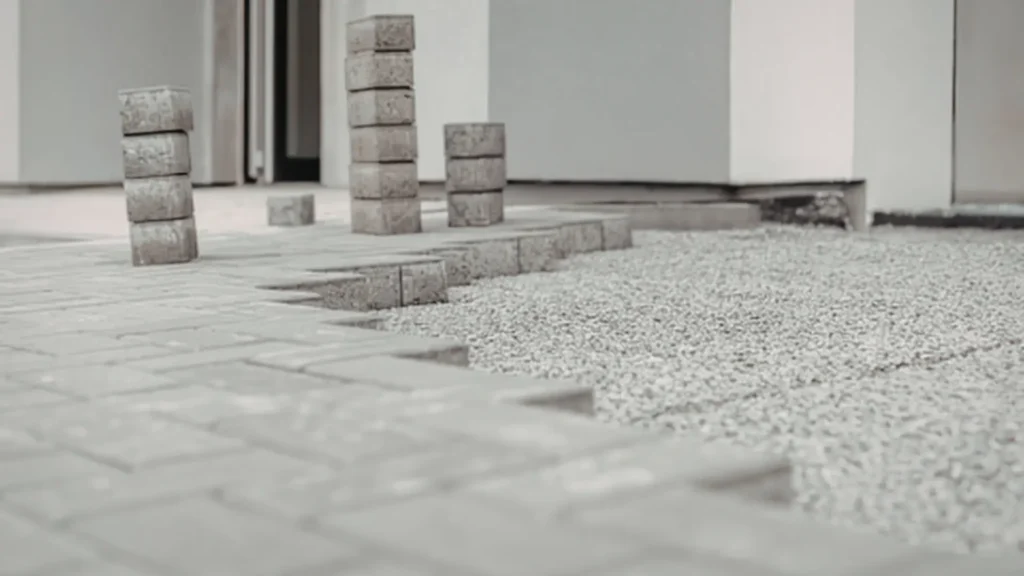
Permeable paving systems are built with multiple layers that work together to manage water flow efficiently. Unlike solid surfaces, these systems are designed to absorb, filter, and disperse rainwater directly into the ground below.
- Surface layer: This is the top layer made from permeable materials such as specially designed concrete, asphalt, or pavers. It allows water to pass through small gaps or pores instead of pooling on the surface.
- Base layer: Beneath the surface is a structured, free-draining base made of aggregate materials. This layer temporarily stores water and supports load-bearing strength for vehicles or foot traffic.
- Sub-base filtration: Water continues to filter down through additional layers, where natural processes remove contaminants before the water reaches the soil below.
Water Filtration Through Surface Layers
One of the biggest advantages of permeable paving is its ability to naturally filter water as it moves through the system. As rainwater passes through each layer, debris, sediment, and pollutants are captured or broken down.
- Pollutant reduction: Oils, dirt, and other contaminants are trapped and filtered out before reaching groundwater.
- Improved water quality: This process helps protect local waterways and reduces environmental impact.
- Natural drainage support: Instead of overwhelming stormwater systems, water is gradually absorbed into the ground.
Difference vs Traditional Concrete or Asphalt
Traditional paving materials like concrete and asphalt are impermeable, meaning they do not allow water to pass through. This creates several challenges, especially in high-rainfall areas like Auckland.
- Runoff behavior: Standard surfaces cause water to flow quickly into drains, increasing the risk of flooding and erosion.
- Drainage dependence: Traditional paving relies heavily on external drainage systems, which can become overloaded.
- Surface pooling: Water often collects on the surface, leading to slippery conditions and long-term damage.
In contrast, permeable paving reduces these issues by managing water directly at the source, making it a more sustainable and efficient solution.
Common Types Used In Auckland
Different types of permeable paving are used across Auckland depending on the project requirements, budget, and intended use. Each option offers unique benefits while maintaining the core function of water permeability.
Permeable Concrete
Permeable concrete is a specially formulated material with reduced fine aggregates, allowing water to pass through its structure.
- Strength and durability: Suitable for driveways and low-traffic areas when properly installed.
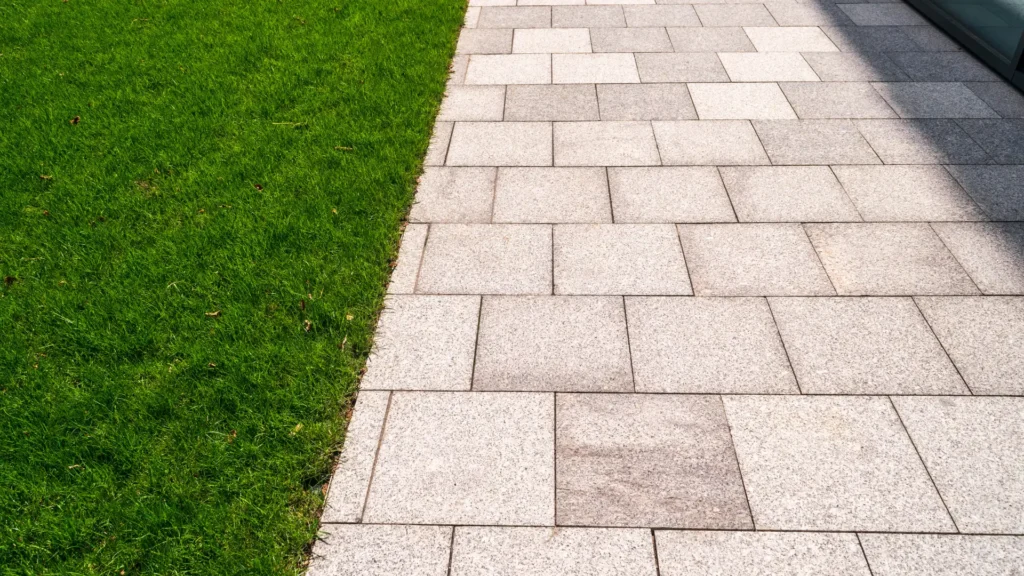
- Clean appearance: Offers a modern, uniform finish that works well in residential settings.
- Low runoff: Allows water to drain directly through the surface, reducing pooling.
Porous Asphalt
Porous asphalt looks similar to traditional asphalt but is designed with void spaces that allow water infiltration.
- Familiar look: Ideal for projects where a standard asphalt appearance is preferred.
- Efficient drainage: Helps manage stormwater without requiring extensive additional systems.
- Cost-effective option: Often more affordable than other permeable solutions for larger areas.
Permeable Pavers (Blocks and Gravel Systems)
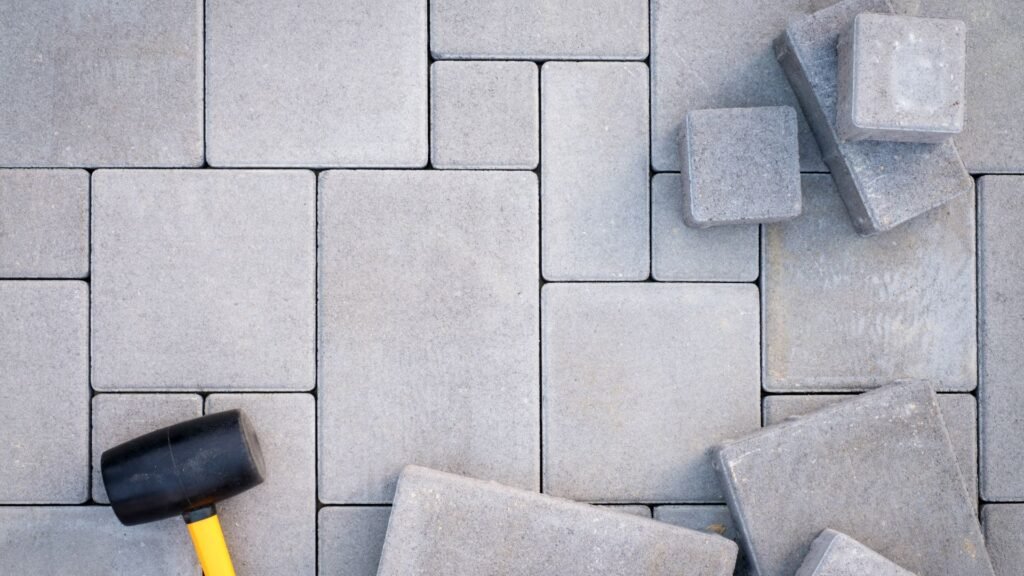
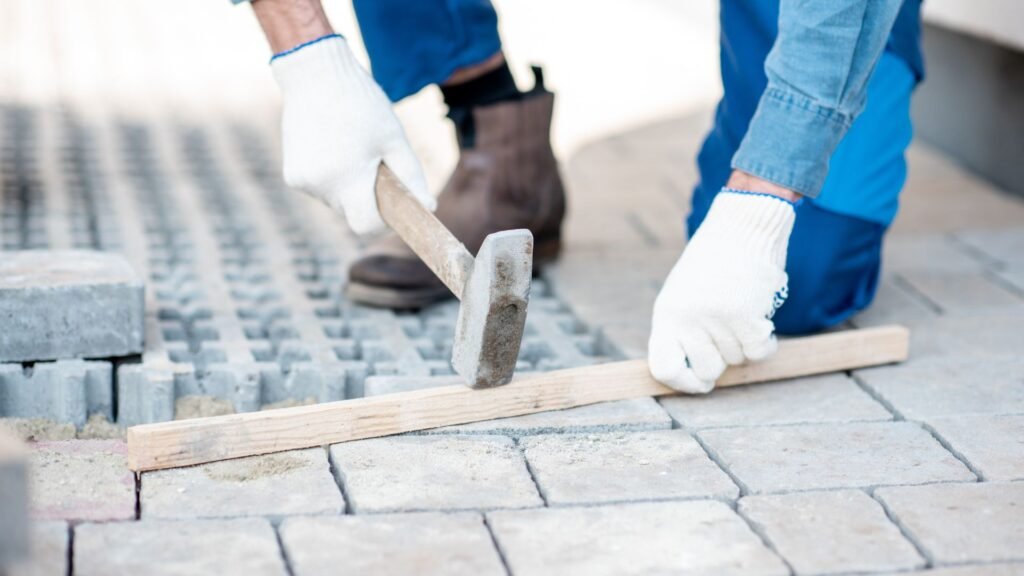
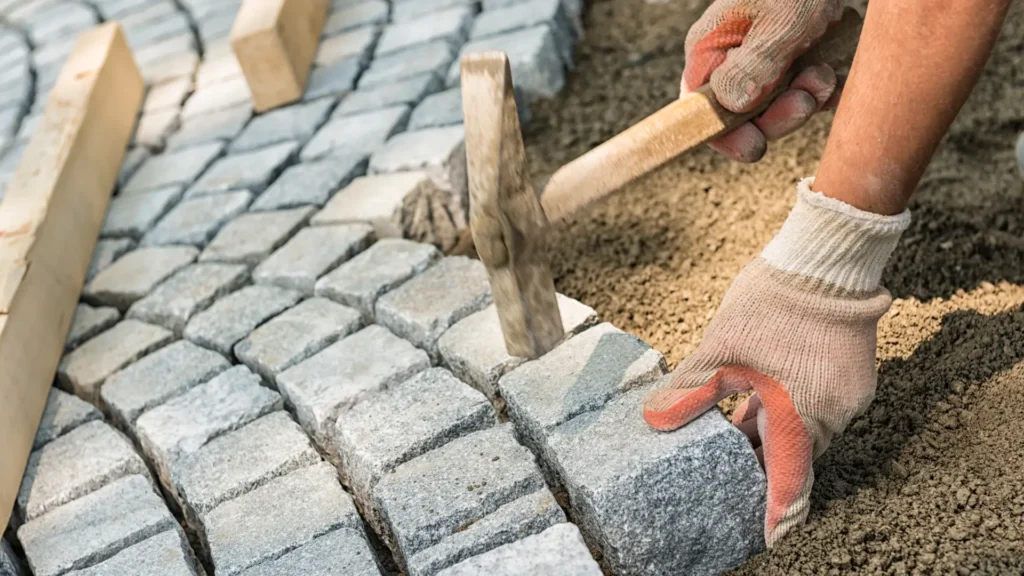
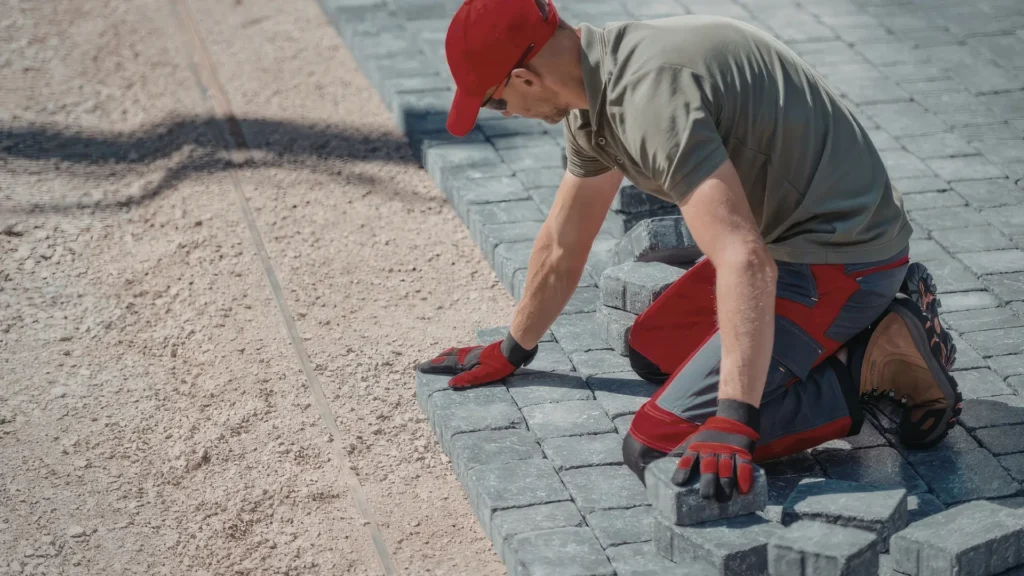
Permeable pavers are individual units laid with gaps or filled joints that allow water to pass through.
- Design flexibility: Available in various shapes, colors, and patterns for customized layouts.
- Easy maintenance: Individual pavers can be replaced if damaged without affecting the entire surface.
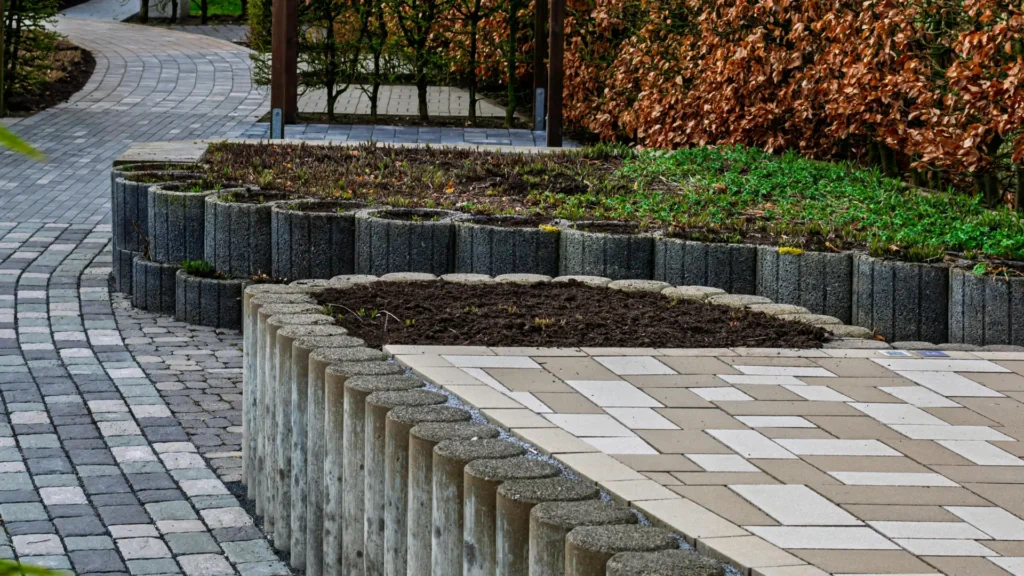
- Versatile application: Suitable for driveways, walkways, patios, and landscaping features.
Permeable paving systems offer a balanced combination of functionality, sustainability, and visual appeal, making them a practical choice for modern Auckland properties.
Why Permeable Paving Matters In Auckland
Auckland’s unique climate, rapid urban growth, and increasing environmental expectations make permeable paving more than just a design choice. It plays a practical role in solving real drainage challenges while aligning with long-term sustainability goals. Understanding why it matters in this specific location helps property owners make better decisions that are both compliant and future-ready.
Auckland’s Rainfall And Drainage Challenges
Auckland receives a significant amount of rainfall throughout the year, often in short, intense bursts. This creates pressure on traditional drainage systems, especially in built-up areas where impermeable surfaces like concrete and asphalt dominate. Water has fewer places to go, which leads to pooling, runoff, and long-term surface damage.
- High rainfall frequency: Regular rain events mean surfaces must handle consistent water exposure, not just occasional storms
- Limited natural absorption: Urban development reduces soil exposure, preventing water from soaking into the ground naturally
- Surface water buildup: Traditional paving forces water to run off quickly, increasing the risk of puddles, erosion, and damage
Permeable paving addresses these issues by allowing water to pass through the surface and into the ground below. This helps mimic natural water absorption and reduces the strain on drainage infrastructure.
Urban Flooding And Stormwater Management Issues
As Auckland continues to grow, urban flooding has become a more visible and costly problem. Roads, driveways, and commercial spaces covered with impermeable materials contribute to excess stormwater runoff, which can overwhelm drainage systems during heavy rain.
- Increased runoff volume: Hard surfaces prevent water absorption, sending large amounts of water into drains at once
- Overloaded infrastructure: Existing stormwater systems can struggle to cope during peak rainfall events
- Property and environmental damage: Flooding can lead to erosion, contamination of waterways, and costly repairs
Permeable paving helps manage stormwater at the source rather than relying entirely on downstream systems. By slowing down water movement and allowing gradual infiltration, it reduces peak flow rates and lowers the risk of localized flooding.
Council Regulations And Sustainability Goals (Low-Impact Design)
Auckland Council places strong emphasis on sustainable development and effective stormwater management. Low-impact design principles are increasingly being encouraged or required in new builds and renovations, especially in areas prone to flooding or environmental sensitivity.
- Stormwater compliance: Permeable paving can help meet council requirements for managing runoff on-site
- Low-impact design alignment: Supports development approaches that work with natural systems rather than against them
- Environmental responsibility: Helps reduce pollutants entering waterways by filtering water through layered materials
Choosing permeable paving is not just about meeting regulations, but also about future-proofing a property. As sustainability standards continue to evolve, solutions that already align with these expectations offer long-term advantages in both compliance and property value.
Key Benefits Of Permeable Paving In Auckland
Permeable paving has gained strong traction in Auckland because it directly addresses common local challenges like heavy rainfall, stormwater pressure, and the need for more sustainable building solutions. Whether for residential driveways or commercial spaces, it offers practical advantages that go beyond surface-level aesthetics and deliver long-term performance and environmental value.
Reduces Flooding And Surface Water Runoff
One of the most immediate and noticeable benefits of permeable paving is its ability to manage excess water during Auckland’s frequent rain events. Unlike traditional concrete or asphalt, it allows water to pass through the surface instead of accumulating on top.
- Efficient rainwater absorption: The surface is designed to let water seep through into a layered base system, reducing the volume of water that would otherwise flow across hard surfaces
- Reduced surface pooling: By allowing water to drain naturally, it helps prevent puddles that can make driveways and walkways unsafe
- Lower flood risk: Minimizing runoff helps reduce the likelihood of localized flooding, especially in urban or low-lying areas
In real-world applications, this means fewer issues with water collecting around entrances, garages, and outdoor living areas, which can otherwise lead to inconvenience and damage over time.
Improves Stormwater Drainage Naturally
Auckland’s infrastructure often faces pressure during heavy rainfall, and permeable paving plays a valuable role in easing that burden by working with natural drainage processes rather than against them.
- Reduced system overload: By absorbing water on-site, permeable surfaces decrease the amount entering public stormwater systems
- Gradual water release: Water filters through the sub-base layers slowly, which helps manage flow rates and prevents sudden surges
- Groundwater support: Instead of being diverted into drains, water is allowed to return to the soil, supporting natural groundwater recharge
This approach aligns with modern stormwater management strategies, where the goal is not just to remove water quickly, but to handle it in a way that is more sustainable and balanced.
Environmentally Friendly And Sustainable
For property owners focused on sustainability, permeable paving offers clear environmental advantages. It is not just about drainage, but also about improving how water interacts with the surrounding environment.
- Pollutant filtration: As water passes through the paving layers, contaminants such as oils, sediments, and debris are filtered out before reaching the soil
- Reduced runoff pollution: By limiting surface runoff, it prevents harmful substances from being carried into waterways
- Eco-conscious design: It supports low-impact building practices that aim to reduce environmental footprint and preserve natural systems
These benefits make permeable paving an attractive option for projects aiming to meet sustainability goals or improve environmental performance.
Helps Meet Auckland Council Requirements
Regulatory compliance is an important factor for many Auckland property developments, and permeable paving can support this by aligning with local stormwater and environmental guidelines.
- Stormwater compliance support: Many Auckland Council frameworks encourage solutions that reduce runoff and improve on-site water management
- Simplified approvals: In some cases, incorporating permeable paving can make it easier to meet consent requirements, particularly for new builds or renovations
- Future-ready design: Choosing compliant, sustainable materials can help avoid costly upgrades or changes later
While specific requirements vary by project, using permeable paving can position your property more favorably during planning and approval stages.
Enhances Property Value And Aesthetic Appeal
Beyond functionality, permeable paving offers strong visual and market appeal, which can contribute to overall property value.
- Modern design flexibility: Available in a wide range of styles, colors, and textures, it can complement both contemporary and traditional properties
- Seamless landscaping integration: It blends well with green spaces, gardens, and outdoor living areas
- Buyer appeal: Increasingly, eco-conscious buyers are drawn to properties that incorporate sustainable and practical features
A well-designed permeable paving system does not just solve drainage issues, it enhances the overall look and usability of the space.
Durable And Low Maintenance (When Installed Properly)
Durability is often a concern when comparing paving options, but high-quality permeable systems can perform just as well as traditional materials when correctly installed.
- Long-term performance: With proper base preparation and materials, permeable paving can handle regular use and varying weather conditions
- Resistance to cracking: Flexible systems, especially pavers, are less prone to cracking compared to solid concrete slabs
- Simple maintenance needs: Routine care typically involves keeping the surface clear of debris and occasional cleaning to maintain permeability
It is important to note that performance depends heavily on correct installation. Working with experienced professionals ensures the system is built to last and continues to function as intended.
Where Can Permeable Paving Be Used? (Practical Applications)
Permeable paving is a versatile solution that works across a wide range of residential, commercial, and public environments. Its ability to manage stormwater while maintaining structural strength makes it suitable for both light-use and high-traffic areas when properly designed. In Auckland, where rainfall and drainage are ongoing concerns, choosing the right application is just as important as choosing the right material.
Residential Driveways And Patios
For homeowners, permeable paving is one of the most practical upgrades for outdoor spaces. It not only improves drainage but also enhances the overall look and functionality of a property.
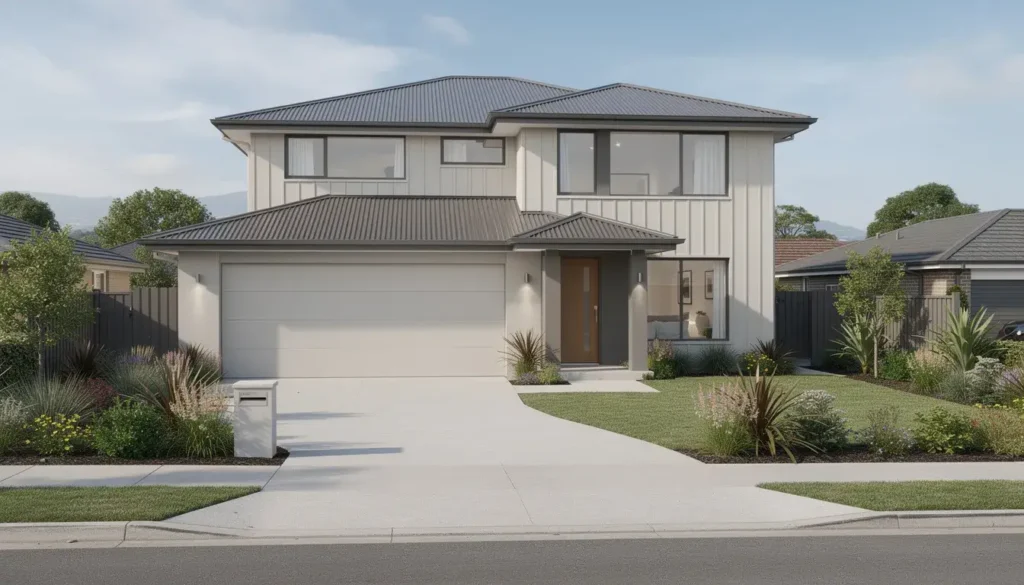
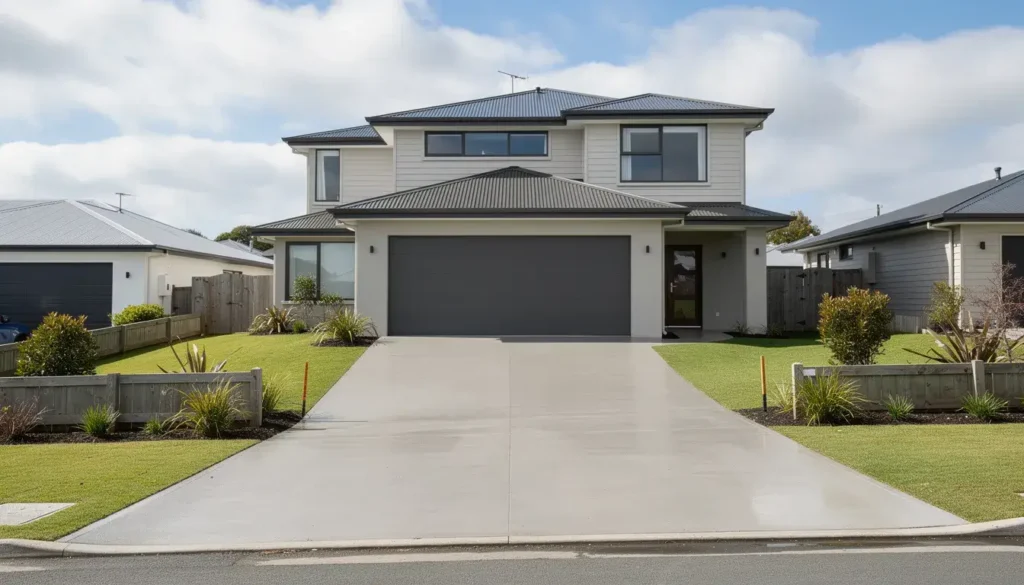
- Driveway performance: A well-installed permeable driveway can handle everyday vehicle traffic while preventing water pooling, which is a common issue with traditional concrete surfaces
- Patio comfort: Permeable surfaces reduce surface water buildup, making patios safer and more usable during and after rain
- Property value: Eco-friendly features like permeable paving can increase appeal for environmentally conscious buyers in Auckland’s competitive property market
- Design flexibility: Homeowners can choose from a range of finishes, textures, and colours to match the overall landscape design
Commercial Parking Areas
Permeable paving is increasingly used in commercial settings where stormwater management is a priority. Parking areas, in particular, benefit from its ability to handle large volumes of runoff while maintaining durability.
- Stormwater control: Helps reduce pressure on council drainage systems by allowing water to infiltrate directly into the ground
- Regulatory compliance: Supports low-impact design requirements often expected in commercial developments across Auckland
- Durability under load: Engineered systems can support frequent vehicle movement when designed with the correct base layers
- Cost efficiency over time: Reduces the need for extensive drainage infrastructure, which can lower long-term operational costs
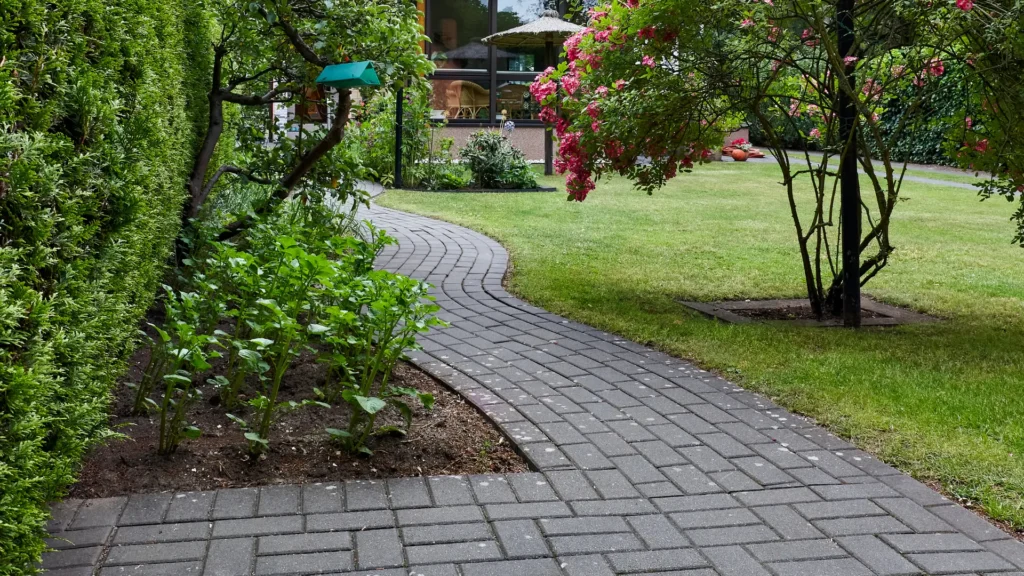
Walkways, Landscaping, And Garden Paths
Permeable paving is an excellent choice for low-traffic areas where both aesthetics and environmental performance matter. It integrates seamlessly into landscape design while improving water management.
- Natural drainage: Prevents water runoff into garden beds, helping maintain soil health and reducing erosion
- Slip resistance: Provides a safer walking surface during wet conditions compared to smooth concrete finishes
- Seamless integration: Works well with greenery, allowing for a more natural and visually appealing outdoor environment
- Low-maintenance design: Requires minimal upkeep when installed correctly, making it ideal for residential and public gardens
Public Spaces And Urban Developments
In urban environments, permeable paving plays a key role in sustainable infrastructure. Councils and developers are increasingly adopting it as part of stormwater management strategies and green-building initiatives.
- Flood mitigation: Helps reduce urban flooding by managing surface water at the source rather than relying solely on drainage systems
- Sustainable development: Aligns with Auckland’s push toward environmentally responsible construction and low-impact urban design
- Improved usability: Keeps public spaces like plazas, sidewalks, and parks accessible even during heavy rainfall
- Scalable solutions: Can be applied across large developments, from pedestrian zones to mixed-use spaces, with consistent performance
Permeable paving is not a one-size-fits-all solution, but when applied correctly, it offers a reliable and forward-thinking approach to managing water while enhancing the usability of any space. Whether you are upgrading a home driveway or planning a large-scale development, understanding where it works best ensures you get the full benefit of this system.
Cost vs Value: Is Permeable Paving Worth It In Auckland?
When weighing up permeable paving in Auckland, the real question is not just about upfront cost, but overall value over time. While the initial investment can be higher than traditional paving, the long-term benefits often justify the expense, especially in a climate where stormwater management and sustainability are becoming increasingly important.
Typical Cost Considerations
Understanding the cost of permeable paving starts with looking beyond the surface price. Several factors influence the total investment, including materials, site conditions, and installation complexity.
- Material type: Permeable concrete, porous asphalt, and interlocking pavers all vary in price, with modular pavers often offering more design flexibility but at a higher cost
- Site preparation: Proper base-layer preparation is critical for drainage performance, which can increase labor and excavation costs compared to standard paving
- Drainage design: In some cases, additional sub-base systems or geotextile layers are required to ensure effective water filtration and structural stability
- Project size and access: Larger areas may reduce per-square-meter costs, while difficult-to-access sites can increase installation time and expense
Installation vs Traditional Paving
Compared to standard concrete or asphalt, permeable paving typically involves a more detailed installation process. This includes creating a multi-layered base designed to allow water infiltration while maintaining load-bearing strength.
- Higher upfront investment: Traditional paving is usually cheaper initially due to simpler installation methods
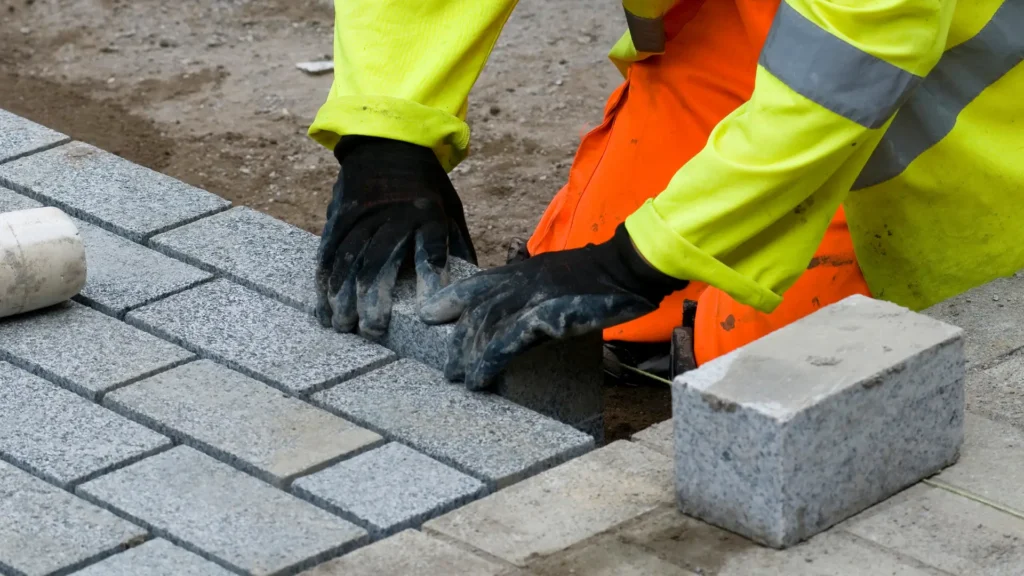
- Specialized expertise: Permeable systems require experienced installers to ensure correct layering and long-term performance
- Better long-term performance: While traditional paving often relies on external drainage systems, permeable paving integrates water management directly into the surface
Long-Term Savings
Although the initial cost may be higher, permeable paving can deliver meaningful savings over time, particularly in Auckland where drainage challenges are common.
Reduced Drainage Costs
One of the most significant financial advantages comes from reduced reliance on external drainage infrastructure.
- Less need for stormwater systems: Permeable paving can reduce or eliminate the need for additional drains, pipes, or soak pits
- Lower compliance costs: Meeting Auckland Council stormwater requirements may be easier and more cost-effective with a permeable solution
- Minimized flood-related repairs: By reducing surface water buildup, it lowers the risk of water damage to surrounding structures
Lower Maintenance In Some Cases
Maintenance requirements are often different rather than entirely lower, but in many situations, they can still result in cost savings.
- Fewer surface cracks: Flexible permeable systems can be less prone to cracking compared to rigid concrete surfaces
- Reduced water pooling issues: Proper drainage reduces wear caused by standing water
- Simple upkeep routine: Regular cleaning and occasional inspection are usually sufficient to maintain performance
ROI For Homeowners And Developers
Return on investment for permeable paving is not just financial, it also includes environmental and property-value benefits.
- Increased property appeal: Eco-conscious buyers and tenants often value sustainable features, which can make properties more attractive
- Long-term durability: A well-installed system can provide consistent performance over many years, reducing replacement frequency
- Development advantages: For developers, permeable paving can support faster approvals by aligning with low-impact design principles and council expectations
- Future-proofing: As regulations around stormwater and sustainability become stricter, permeable paving positions properties ahead of potential compliance changes
In practical terms, permeable paving in Auckland tends to deliver stronger value in areas where drainage is a concern, where sustainability is a priority, or where long-term performance matters more than short-term savings.
Common Mistakes To Avoid With Permeable Paving
Permeable paving offers excellent long-term benefits, especially in a high-rainfall environment like Auckland, but only when it is designed and installed correctly. Many issues arise not because the system itself is flawed, but because key steps are overlooked during planning or installation. Understanding these common mistakes can help you avoid costly repairs and ensure your paving performs as intended for years to come.
Poor Installation Or Incorrect Base Preparation
One of the most critical factors in permeable paving performance is what lies beneath the surface. The base layers are responsible for water storage, filtration, and structural support. When this step is rushed or done incorrectly, even high-quality materials will fail.
- Insufficient base depth: A shallow base cannot properly store and manage stormwater, leading to pooling or runoff instead of infiltration.
- Incorrect aggregate selection: Using the wrong type of stone can reduce permeability and compromise structural integrity.
- Poor compaction techniques: Over-compaction can block void spaces needed for water flow, while under-compaction can cause shifting and uneven surfaces.
- Lack of professional expertise: Permeable systems require a different approach than standard paving, so working with experienced installers is essential.
In practice, a well-prepared base is what separates a long-lasting permeable driveway from one that fails within a few seasons.
Choosing The Wrong Material For The Location
Not all permeable paving systems are suitable for every application. Selecting the wrong material can lead to premature wear, poor drainage performance, or safety concerns.
- Mismatched load capacity: Lightweight systems may not withstand vehicle traffic, especially in driveways or commercial spaces.
- Inappropriate surface type: Some materials work better for decorative pathways, while others are designed for high-traffic areas.
- Climate compatibility issues: Certain materials perform better under Auckland’s wet conditions, so local suitability matters.
- Aesthetic over function decisions: Choosing a product based only on appearance can compromise durability and performance.
A smart approach is to match the paving system to both the intended use and environmental conditions, rather than relying on a one-size-fits-all solution.
Ignoring Maintenance Requirements
Permeable paving is often described as low-maintenance, but that does not mean no maintenance. Neglecting basic upkeep can reduce its effectiveness over time.
- Surface clogging: Dirt, leaves, and debris can block the pores, preventing water from infiltrating properly.
- Lack of routine cleaning: Occasional sweeping or vacuuming helps maintain permeability and appearance.
- Weed growth in joints: Without proper care, weeds can establish in gaps, especially in paver systems.
- Delayed repairs: Small issues like minor settling or block movement can worsen if not addressed early.
Regular maintenance is simple but essential to preserve both the function and visual appeal of permeable paving.
Not Considering Soil Conditions And Drainage Design
Every site is different, and ignoring underlying soil conditions is a common mistake that can undermine the entire system. Permeable paving relies on the ground beneath it to absorb and manage water effectively.
- Poorly draining soils: Clay-heavy soils may limit infiltration, requiring additional drainage design or alternative solutions.
- High water table levels: Areas with elevated groundwater can reduce the system’s ability to absorb runoff.
- Lack of proper drainage planning: Without overflow paths or sub-drainage systems, excess water may accumulate.
- No site-specific assessment: Skipping a professional evaluation increases the risk of long-term performance issues.
Choosing permeable paving is a smart investment, but the details matter. By avoiding these common mistakes and working with knowledgeable professionals, you can ensure your paving delivers the drainage, durability, and environmental benefits it was designed for.
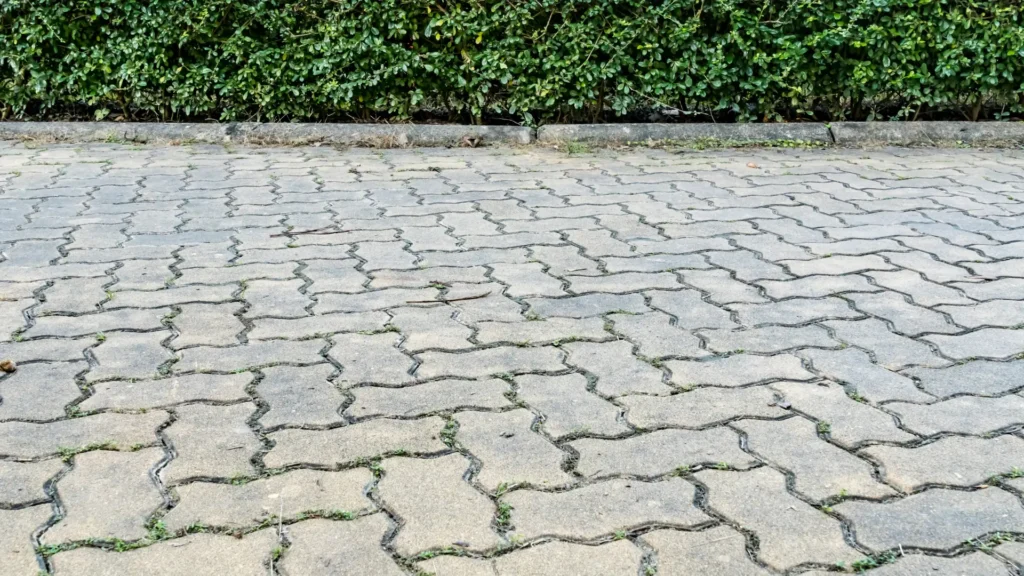
Expert Insights: When Permeable Paving Is (and Isn’t) The Best Option
Choosing permeable paving in Auckland is not just about following a trend, it is about selecting the right solution for your specific site conditions, usage needs, and long-term goals. While permeable systems offer clear environmental and drainage benefits, they are not a one-size-fits-all option. Understanding where they perform best and where alternatives may be more suitable will help you make a smarter, more cost-effective decision.
Situations Where Permeable Paving Works Best
Permeable paving performs exceptionally well when the environment and design align with its core strength, which is water management. In Auckland, this often makes it a highly practical and forward-thinking choice.
- High-rainfall areas: Permeable paving is ideal for regions like Auckland, where consistent rainfall can overwhelm traditional drainage systems. It allows water to soak into the ground naturally, reducing runoff and surface pooling.
- Flood-prone properties: Homes or commercial sites that experience water buildup benefit from a drainage-focused solution that actively manages stormwater at the source rather than relying solely on pipes and drains.
- Eco-conscious builds: For projects prioritizing sustainability, permeable paving supports low-impact design principles by filtering pollutants and promoting groundwater recharge.
- Driveways and low-to-moderate traffic areas: Residential driveways, walkways, and patios are well-suited for permeable systems when designed with the correct load-bearing base.
- Urban developments with strict stormwater requirements: Many Auckland developments need to meet council guidelines, and permeable paving can help achieve compliance while improving overall site performance.
Situations Where Alternatives May Be Better
While permeable paving offers strong benefits, there are scenarios where a different paving solution may be more practical or cost-effective. Ignoring these limitations can lead to performance issues or unnecessary expense.
- Clay-heavy or poorly draining soils: If the underlying soil does not absorb water effectively, the system may struggle to function as intended without additional engineering solutions.
- High-traffic or heavy-load areas: Industrial zones or areas with frequent heavy vehicles may require reinforced or traditional paving designed for maximum structural strength.
- Steep or sloped surfaces: Permeable systems rely on controlled water infiltration, and steep gradients can reduce effectiveness or increase the risk of erosion.
- Low-maintenance expectations without upkeep: Although permeable paving is relatively low-maintenance, it still requires periodic cleaning to prevent clogging. If maintenance is neglected, performance can decline.
- Budget-restricted projects: Upfront installation costs can be higher than traditional paving, which may not suit projects with tight initial budgets, even if long-term value is strong.
Importance Of Professional Assessment
A professional assessment is one of the most important steps when considering permeable paving. What works well on one property may not perform the same way on another due to differences in soil, slope, and usage.
- Site-specific evaluation: A qualified contractor or engineer will assess soil type, drainage capacity, and environmental conditions to determine if permeable paving is suitable.
- Correct system selection: Not all permeable systems are the same. Choosing between permeable concrete, pavers, or gravel-based systems requires expert input based on your needs.
- Proper base preparation: The success of permeable paving depends heavily on the sub-base design, which controls water storage and load distribution.
- Long-term performance planning: Professionals can factor in future use, maintenance requirements, and compliance with Auckland regulations to ensure durability and reliability.
- Risk reduction: Investing in expert advice helps avoid costly mistakes such as poor drainage performance, premature wear, or non-compliance with local guidelines.
Making the right choice comes down to understanding your property, your goals, and the conditions you are working with. Taking the time to evaluate these factors carefully ensures you get a paving solution that performs well, lasts longer, and adds real value to your space.
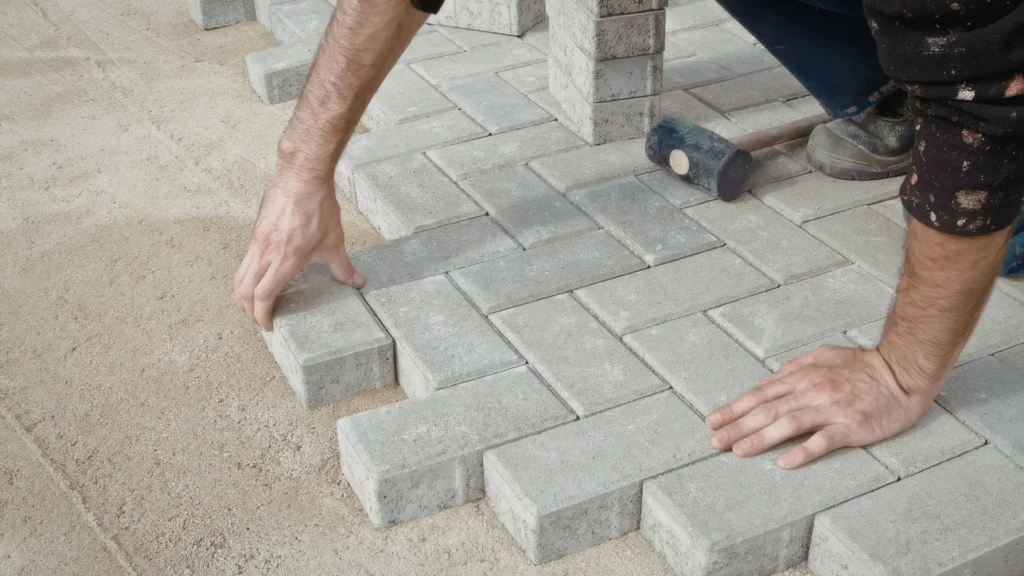
How To Choose The Right Permeable Paving System In Auckland
Choosing the right permeable paving system is not just about aesthetics or cost. It involves understanding how your site behaves, how the surface will be used, and how well the system can handle Auckland’s unique environmental conditions. A well-informed decision ensures long-term performance, proper drainage, and compliance with local standards.
Key Factors To Consider
Before selecting a permeable paving solution, it’s important to evaluate several practical factors that directly impact how the system will perform over time. These considerations help avoid costly mistakes and ensure the installation is fit for purpose.
- Budget: The upfront cost of permeable paving can vary depending on the material, site preparation, and drainage design. While some systems may seem more expensive initially, they often reduce the need for additional drainage infrastructure, making them more cost-effective in the long run. It’s important to balance initial investment with long-term value.
- Traffic Load: Not all permeable paving systems are designed to handle the same level of weight. A light-use garden path requires a very different structure compared to a vehicle-heavy driveway or commercial parking area. Choosing a system with the right load-bearing capacity ensures durability and prevents issues like sinking or surface damage.
- Soil Type: The ground beneath your paving plays a critical role in how well water drains. Free-draining soils like sand and gravel are ideal, while clay-heavy soils may require additional drainage layers or design adjustments. A proper site assessment helps determine whether your soil conditions support a permeable system or need modification.
Questions To Ask Contractors
Working with the right contractor is just as important as choosing the right material. Asking detailed, practical questions helps you understand their level of expertise and ensures your project is handled correctly from the start.
- Experience with permeable systems: Ask whether they have completed similar projects in Auckland and request examples or case studies to verify their experience.
- Installation method: A high-quality permeable paving system depends on proper base preparation and layering. Ensure they can clearly explain their process, including sub-base design and drainage considerations.
- Compliance knowledge: Contractors should be familiar with Auckland Council requirements and stormwater management guidelines to ensure your project meets local regulations.
- Maintenance guidance: A reliable contractor will provide clear advice on how to maintain the surface over time to preserve its performance and lifespan.
Importance Of Local Expertise
Local expertise makes a significant difference when it comes to permeable paving in Auckland. The region’s variable rainfall, soil conditions, and council regulations require a tailored approach rather than a one-size-fits-all solution.
Contractors with Auckland-specific experience understand how to design systems that perform well under local conditions. They are more likely to anticipate challenges such as heavy rainfall events, drainage limitations, or soil constraints, and adjust the design accordingly. This level of insight helps prevent common issues like clogging, poor drainage, or premature wear.
In addition, local professionals are familiar with council expectations and approval processes, which can streamline your project and reduce the risk of delays or compliance issues. Choosing someone with proven local knowledge gives you confidence that your permeable paving system will not only look good but also function effectively for years to come.
Choosing the right permeable paving system is ultimately about making a well-informed decision based on your property’s needs and long-term goals. With the right guidance and careful planning, you can create a durable, eco-conscious surface that performs reliably in Auckland’s conditions.
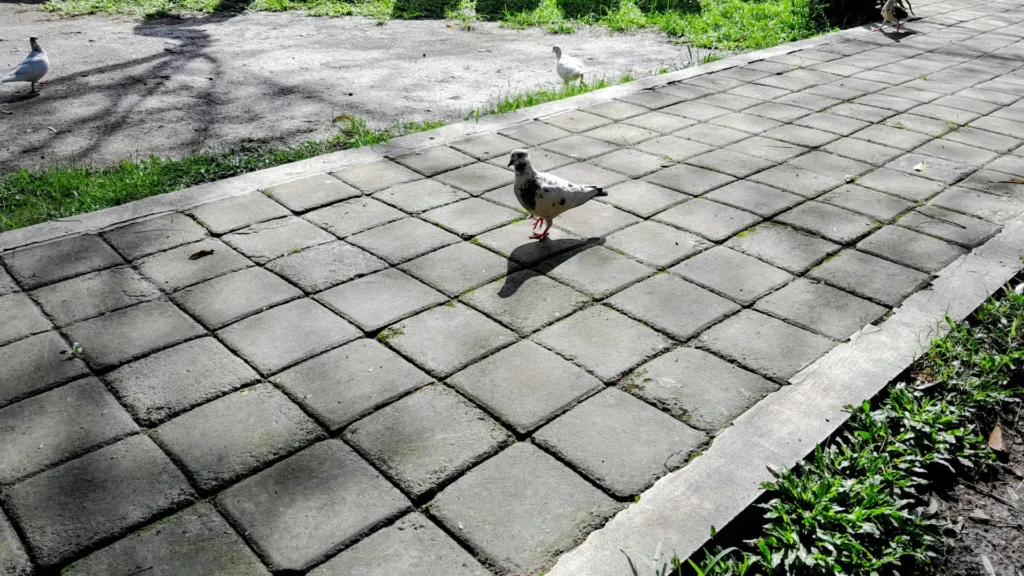
Maintenance Tips To Maximize Performance
Permeable paving is designed to be low-maintenance, but it is not maintenance-free. To keep it performing effectively over time, especially in Auckland’s wet climate, a simple but consistent upkeep routine is essential. Proper care ensures that water continues to drain efficiently, prevents long-term damage, and protects your investment.
Regular Cleaning And Debris Removal
Keeping the surface clear of debris is one of the most important aspects of maintaining permeable paving. Leaves, dirt, and organic matter can gradually build up and block the small gaps that allow water to pass through.
- Surface sweeping: Regularly sweep the area to remove loose dirt, leaves, and debris before they settle into the joints or pores.
- Vacuum cleaning: Use a vacuum-sweeper or a shop vacuum for deeper cleaning, especially in high-traffic areas where fine particles accumulate.
- Pressure washing: Occasionally rinse the surface with a pressure washer to clear out embedded dirt, but use moderate pressure to avoid damaging the structure.
In Auckland, where wind and rain can quickly bring debris onto paved surfaces, staying on top of cleaning helps maintain proper drainage and prevents long-term buildup.
Preventing Clogging
Clogging is the most common issue with permeable paving, but it is also one of the easiest to prevent with the right approach. When the surface becomes clogged, water can no longer infiltrate effectively, reducing the system’s benefits.
- Control surrounding landscaping: Keep nearby soil, mulch, and garden beds contained to prevent sediment from washing onto the paving.
- Avoid fine materials: Do not use sand or fine gravel on the surface, as these can settle into the pores and block water flow.
- Manage runoff sources: Ensure that downpipes or nearby areas do not direct excessive sediment-heavy water onto the paving.
A well-installed system with proper edge restraints and drainage design will reduce clogging risks, but ongoing care is key to maintaining performance.
Periodic Inspection
Routine inspections allow you to identify small issues before they become costly problems. This is especially important in areas exposed to heavy use or changing weather conditions.
- Check for pooling water: After rainfall, observe how quickly water drains. Slow drainage may indicate partial blockage or underlying issues.
- Inspect joints and surface condition: Look for uneven areas, damaged pavers, or shifting sections that may affect performance or safety.
- Assess structural integrity: For driveways or load-bearing areas, ensure the surface remains stable and does not show signs of sinking or stress.
Maintaining permeable paving does not require intensive effort, but consistency makes a significant difference. With regular care, it can continue to deliver reliable drainage, durability, and environmental benefits for many years.
If you are ready to turn these garden paving ideas into a space you can truly enjoy, taking the next step with the right guidance can make all the difference. Working with experienced professionals ensures your design is not only visually appealing but also built to last in Auckland’s conditions, helping you avoid costly mistakes and get better long-term results. Explore your options, gather inspiration, and connect with a trusted expert to bring your ideal outdoor space to life with confidence.
References
- Permeable Pavements: An Integrative Review of Technical and Environmental Contributions
https://www.mdpi.com/2073-4441/17/22/3323 - Permeable Asphalt Pavements: Benefits, Clogging Factors and Maintenance
https://pmc.ncbi.nlm.nih.gov/articles/PMC11678558/ - A Review of Green Infrastructure – University of Auckland
https://www.auckland.ac.nz/assets/creative/our-research/doc/urban-research-network/greening-cities-report.pdf - Permeable Pavers in Auckland: Benefits, Types, and Installation Guide
https://aucklandlandscaping.co.nz/uncategorized/permeable-pavers-in-auckland-benefits-types-installation-guide/ - Benefits of Permeable Paving in Green Infrastructure and Stormwater Management
https://evs.institute/urban-environment/permeable-paving-green-infrastructure-stormwater-management/
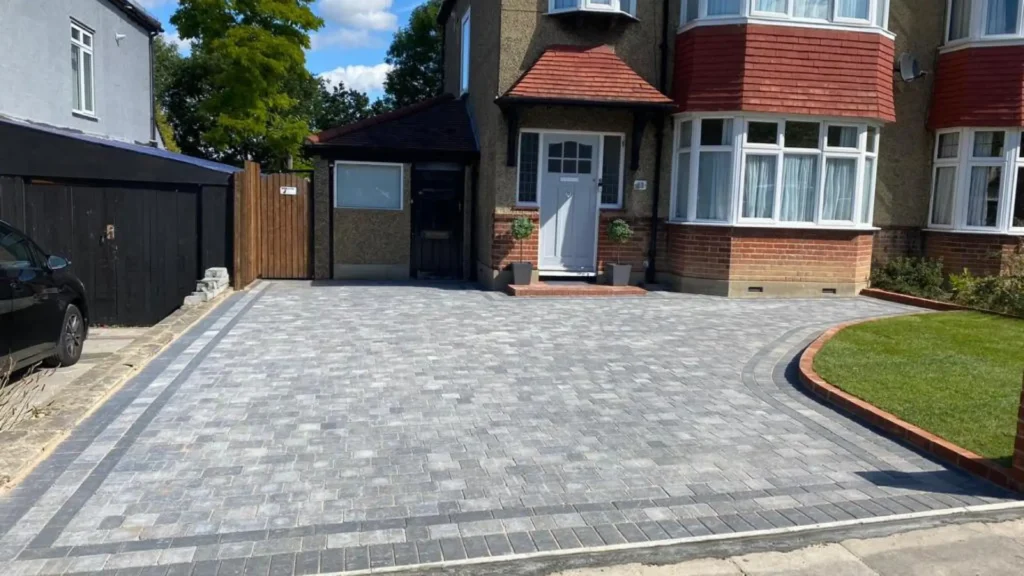
FAQs: About Permeable Paving Auckland Benefits
What is permeable paving and how does it work?
Permeable paving is a surface that allows water to pass through it into the ground below instead of running off. It uses layers of materials that filter and absorb rainwater, reducing surface pooling and improving drainage naturally.
Is permeable paving suitable for Auckland’s weather conditions?
Yes, permeable paving is particularly well-suited to Auckland due to its frequent rainfall. It helps manage stormwater effectively and reduces the risk of flooding or water buildup on driveways and outdoor areas.
Does permeable paving require council approval in Auckland?
In many cases, permeable paving can help meet Auckland Council stormwater management requirements. However, approval may still depend on the scope of your project, so it’s best to check with local authorities or a professional installer.
How long does permeable paving last compared to traditional paving?
When properly installed and maintained, permeable paving can last as long as or even longer than traditional concrete or asphalt. Its durability depends on factors such as material quality, traffic load, and maintenance practices.
Is permeable paving more expensive than concrete or asphalt?
Initial installation costs can be higher than traditional paving, but permeable systems may offer long-term savings. These include reduced drainage infrastructure costs and lower maintenance expenses over time.
What maintenance does permeable paving require?
Permeable paving requires regular cleaning to prevent clogging from debris and sediment. Occasional inspections and light maintenance, such as vacuum sweeping or pressure washing, help maintain its effectiveness.
Can permeable paving handle vehicle traffic?
Yes, many permeable paving systems are designed to support vehicles, including residential driveways and commercial parking areas. The key is choosing the right material and ensuring proper installation for load-bearing capacity.
Does permeable paving help the environment?
Permeable paving is an eco-friendly option because it reduces stormwater runoff, filters pollutants, and supports groundwater recharge. It also contributes to sustainable urban development practices.
What are the most common types of permeable paving used in New Zealand?
Common options include permeable concrete, porous asphalt, and interlocking pavers with gaps that allow water infiltration. Each type has its own benefits depending on the application and site conditions.
When is permeable paving not the best option?
Permeable paving may not be ideal in areas with heavy clay soils, steep slopes, or extremely high traffic loads without proper design adjustments. A professional assessment helps determine if it’s suitable for your specific site.
Conclusion
Permeable paving offers a practical, long-term solution for Auckland properties by improving drainage, supporting eco-friendly water management, and adding functional value to outdoor spaces. With the region’s high rainfall and increasing focus on sustainable design, this type of paving helps reduce surface runoff, ease pressure on stormwater systems, and contribute to a more resilient property layout. When properly designed and installed, it can also enhance durability and visual appeal, making it a strong option for both residential and commercial use. The key is to assess your site conditions, usage needs, and budget carefully, ideally with input from experienced local professionals, so you can choose a solution that delivers reliable performance and aligns with Auckland’s environmental and regulatory requirements.