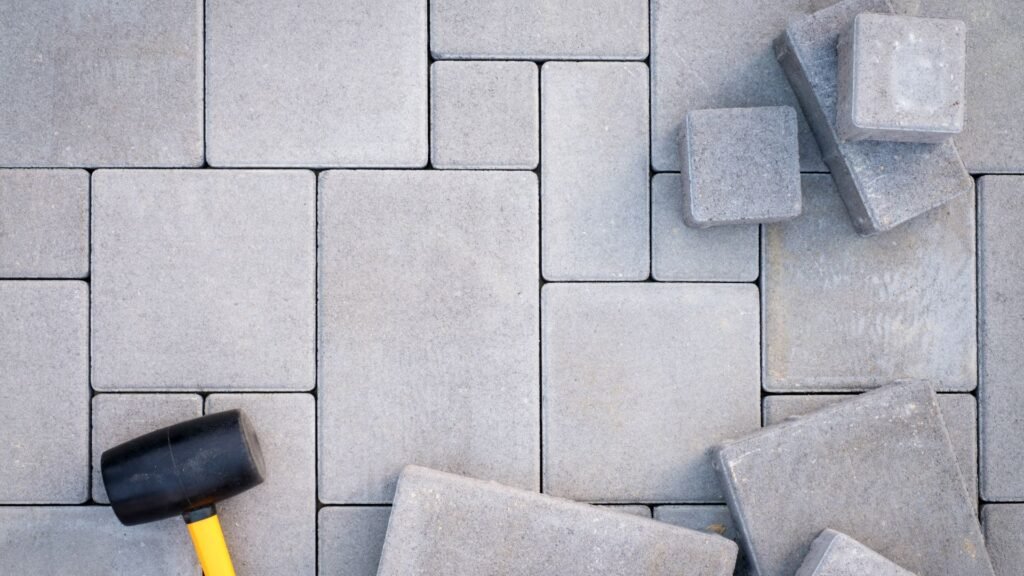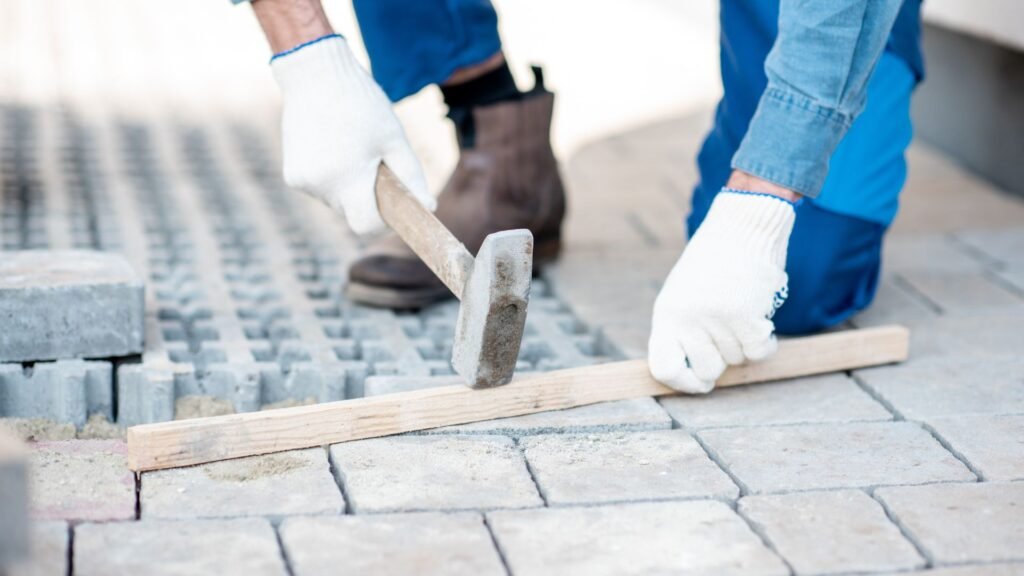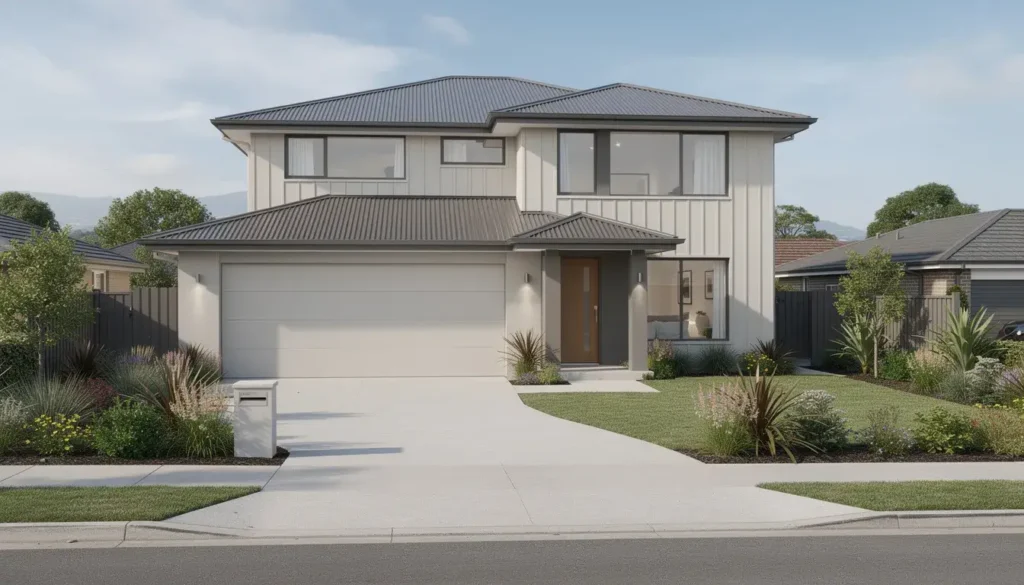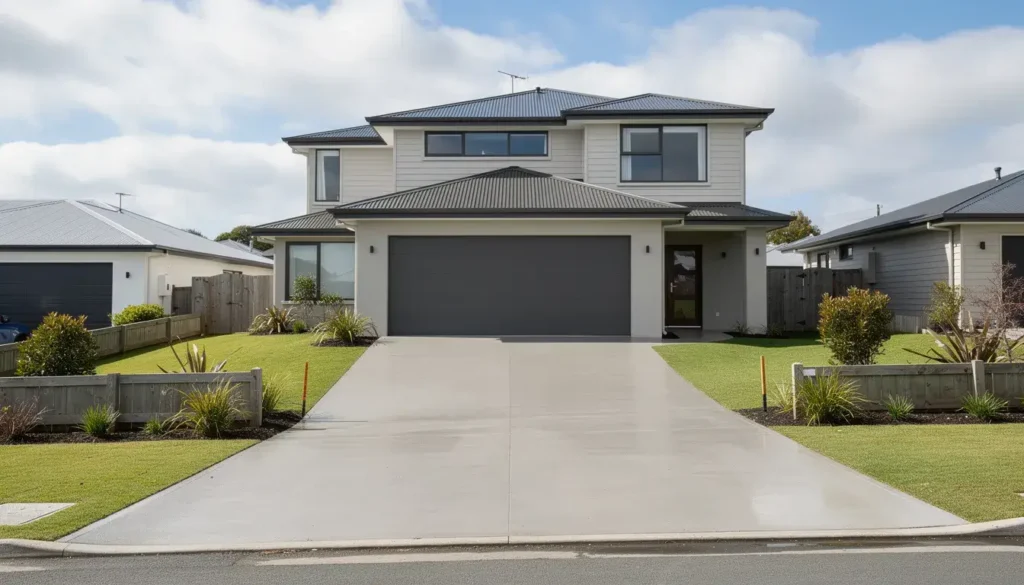
Welcome to your complete guide to outdoor paving solutions for Auckland homes, where we break down the best materials, design ideas, and practical considerations to help you create a durable, functional, and visually appealing outdoor space. Whether you are planning a new patio, upgrading a driveway, or designing garden pathways, choosing the right paving solution is essential for handling Auckland’s weather conditions while enhancing your home’s value and usability. This guide will walk you through the most suitable options, key decision factors, and expert insights so you can confidently select a paving solution that fits your lifestyle, budget, and long-term goals.
Outdoor paving solutions for Auckland homes include concrete pavers, natural stone, brick, and permeable paving designed to suit patios, driveways, and garden paths. The best option depends on durability, drainage, budget, and intended use, with materials chosen to handle Auckland’s wet climate while providing long-lasting performance and visual appeal.
Table of Contents
What Are Outdoor Paving Solutions?
Outdoor paving solutions refer to the materials, layouts, and construction methods used to create durable, functional surfaces around a home. These surfaces are designed to improve accessibility, enhance outdoor living spaces, and withstand environmental conditions such as rain, moisture, and daily wear. For Auckland homes in particular, well-planned paving solutions play a key role in managing drainage, maintaining safety, and creating usable outdoor areas year-round.
Common Paving Applications Around The Home
Outdoor paving is not a one-size-fits-all solution. Different areas around the home require different materials and installation approaches depending on how they are used and the level of traffic they receive.
- Patios and outdoor-entertaining areas: These spaces are designed for relaxation and social use, so comfort, visual appeal, and a smooth, stable surface are essential. Homeowners often choose materials that complement furniture and landscaping while remaining durable enough for regular use.
- Garden paths and walkways: Paths guide movement through outdoor spaces and should feel natural while providing safe footing. Textured or slip-resistant surfaces are especially important in wet conditions to prevent accidents and maintain accessibility.
- Driveways and parking areas: These areas require high-strength materials that can handle vehicle weight without cracking or shifting. A well-prepared base and proper installation are critical to ensure long-term durability and performance.
- Pool surrounds: Safety is the main priority around pools, making slip-resistant and heat-considerate materials essential. Surfaces should remain comfortable underfoot while also allowing for proper water drainage.
- Courtyards and entryways: These areas often act as a visual introduction to the home. Paving here should balance style with practicality, creating a welcoming and easy-to-maintain space that connects indoor and outdoor living.
What Homeowners Usually Want From A Paving Project
Most homeowners are not just looking for a surface to walk or drive on. They want a solution that enhances their lifestyle while minimizing future issues and maintenance.
- A surface that looks good and lasts: A well-chosen paving material should maintain its appearance over time without excessive fading, cracking, or wear. Longevity is just as important as initial visual appeal.
- Slip resistance and safety: Outdoor surfaces are exposed to rain and moisture, so safety is a key concern. Materials with natural texture or slip-resistant finishes help reduce the risk of slips and falls.
- Easy maintenance: Homeowners prefer low-maintenance solutions that do not require constant cleaning or repair. Choosing the right material can reduce issues such as staining, weed growth, and surface deterioration.
- Better drainage and year-round usability: Effective drainage ensures that outdoor areas remain usable even during wet weather. Poor drainage can lead to water pooling, surface damage, and safety hazards over time.
- A finish that suits the home’s style: Paving should complement the overall design of the property. Whether the home is modern, traditional, or landscape-focused, the paving solution should integrate naturally with its surroundings.
Choosing the right outdoor paving solution is about more than selecting a material. It involves understanding how each space will be used, how it will perform in local conditions, and how it contributes to the overall look and function of the home.
Key Things To Consider Before Choosing Paving In Auckland
Choosing the right outdoor paving solution for an Auckland home goes beyond picking a material that looks good. It involves understanding how your environment, lifestyle, and property conditions influence performance over time. From managing heavy rainfall to ensuring the surface suits how you use your outdoor space, taking a well-informed approach early on can prevent costly mistakes and deliver a result that lasts.
Auckland Weather And Drainage Conditions
Auckland’s climate plays a major role in how paving performs. Frequent rain, moisture buildup, and seasonal changes can all impact durability, safety, and maintenance requirements.
Importance Of Drainage In A Wet Climate
In a high-rainfall environment like Auckland, proper drainage is not optional. Without it, water can accumulate beneath or on top of paving surfaces, leading to movement, sinking, or long-term damage.
- Sub-base stability: A well-prepared, free-draining base prevents water from weakening the structure underneath the paving
- Surface longevity: Effective drainage reduces the risk of cracks, shifting, and erosion over time
- Reduced maintenance: Good drainage minimizes moss growth, staining, and surface deterioration
Why Surface Water Management Matters For Longevity And Safety
Water pooling on paved surfaces is not just a visual issue, it creates real safety risks and shortens the lifespan of the installation.
- Slip resistance: Standing water increases the risk of slips, especially on smooth or polished finishes
- Structural integrity: Constant exposure to moisture can weaken joints and cause uneven settling
- Usability: Poor drainage can make outdoor areas unusable during and after rain
Permeable Paving As A Practical Option
Permeable paving is becoming increasingly popular in Auckland because it allows water to pass through the surface and into the ground below. This helps manage runoff and reduces pressure on drainage systems. It is particularly useful for driveways, pathways, and areas where water tends to collect, making it a smart choice for homeowners looking for a low-maintenance, water-conscious solution.
How The Space Will Be Used
The way you plan to use your outdoor area should directly influence your paving choice. Not all surfaces are built to handle the same type of activity, and choosing the wrong one can lead to premature wear or reduced functionality.
Entertaining Vs Vehicle Traffic Vs Decorative Access
Different uses demand different levels of strength, comfort, and durability.
- Entertaining areas: Patios require comfortable, visually appealing surfaces that are stable for furniture and safe underfoot
- Vehicle traffic: Driveways need high-strength materials that can withstand constant weight and pressure without shifting
- Decorative access: Garden paths or feature areas can prioritize aesthetics but still need adequate grip and durability
Why Patios, Driveways, And Pathways Need Different Performance Features
Each area around the home has unique performance requirements, and a one-size-fits-all approach rarely works.
- Load-bearing capacity: Driveways must support heavy loads, while patios focus more on comfort and appearance
- Slip resistance: Pathways and pool areas need textured surfaces for safety in wet conditions
- Wear resistance: High-traffic zones require materials that resist abrasion and maintain their finish over time
Style, Budget, And Maintenance Expectations
A successful paving project balances visual appeal with practical considerations. It is important to choose a solution that fits your budget while still meeting your expectations for durability and upkeep.
Balancing Appearance With Practicality
While it is tempting to focus on design, the best results come from combining aesthetics with performance.
- Material suitability: Some premium-looking materials may not perform well in high-moisture or high-traffic areas
- Consistency with home design: Paving should complement the architecture and landscaping, not compete with it
- Long-term usability: A visually appealing surface must also be functional in everyday use
Upfront Cost Vs Long-Term Value
Initial cost is only part of the equation. A cheaper option may end up costing more over time if it requires frequent repairs or replacement.
- Installation quality: Investing in proper preparation can extend the lifespan significantly
- Material durability: Higher-quality materials often provide better long-term performance
- Lifecycle cost: Consider maintenance, repairs, and replacement when comparing options
Low-Maintenance Vs Premium-Finish Choices
Different materials come with different levels of upkeep, and this should align with your lifestyle.
- Low-maintenance options: Concrete pavers and certain engineered products require minimal ongoing care
- Premium finishes: Natural stone or decorative surfaces may need sealing, cleaning, or periodic restoration
- Time commitment: Choose a solution that matches how much time you are willing to spend on maintenance
Site Conditions And Layout
Every property has its own unique characteristics, and these can significantly influence the success of a paving project. Ignoring site-specific factors often leads to avoidable issues later on.
Sloping Land
Many Auckland properties are built on uneven or sloped terrain, which requires careful planning.
- Drainage direction: Slopes can be used to guide water away from structures when designed correctly
- Retaining support: Some areas may require retaining walls or reinforced edges
- Installation complexity: Sloped sites often need professional expertise to ensure stability
Sun And Shade Exposure
The amount of sunlight an area receives affects both the appearance and performance of paving materials.
- Heat retention: Darker materials can become hot in full sun, affecting comfort
- Moisture buildup: Shaded areas are more prone to moss and algae growth
- Color longevity: UV exposure can cause fading in certain materials over time
Existing Landscaping And Design Features
Your paving should work in harmony with the surrounding environment rather than disrupt it.
- Integration with gardens: Paths and patios should complement planting and outdoor features
- Retaining walls and edging: These elements can define spaces and improve structural stability
- Visual flow: A cohesive layout creates a more polished and functional outdoor area
Access For Installation
Practical access to the site is often overlooked but can impact both cost and feasibility.
- Equipment access: Limited access may require manual installation, increasing labor time
- Material delivery: Tight spaces can affect how materials are transported and handled
- Project timeline: Difficult access can extend installation time and complexity
Choosing the right paving solution starts with understanding how all these factors work together. By considering climate, usage, design preferences, and site conditions from the beginning, you can create an outdoor space that not only looks great but performs reliably for years to come.
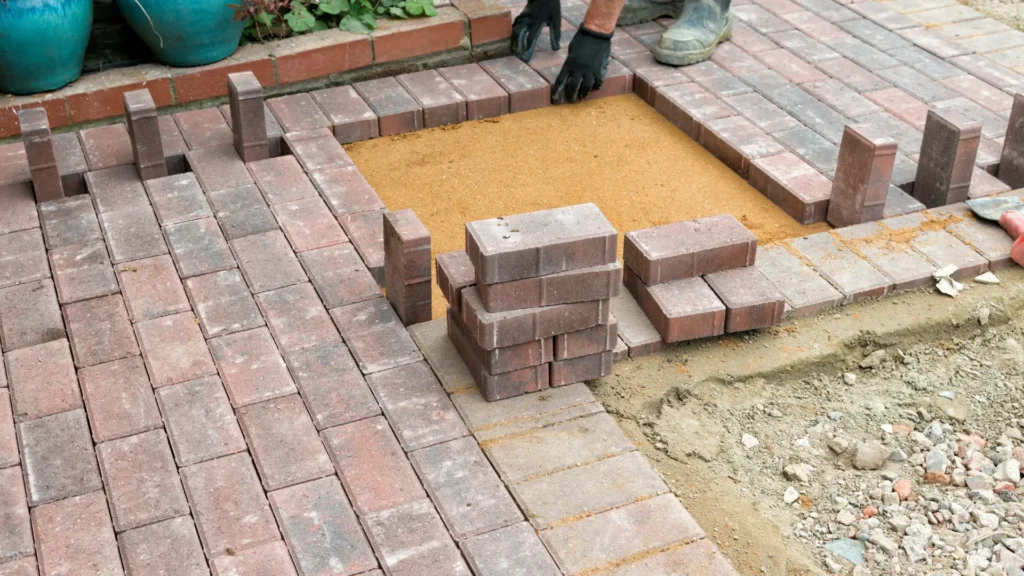
Best Outdoor Paving Solutions For Auckland Homes
Choosing the right paving solution for an Auckland home is not just about appearance, it is about selecting materials that can handle frequent rain, changing temperatures, and long-term wear. The best option depends on how the space will be used, the desired look, and how much maintenance you are prepared to manage. Below are the most practical and widely used paving solutions, along with when and why each one works best.
Concrete Pavers
Concrete pavers are one of the most popular choices for outdoor paving because they offer a strong balance between durability, affordability, and design flexibility. They are manufactured in a wide range of shapes, colours, and textures, making them suitable for both modern and traditional homes.
- Durability: Concrete pavers are designed to handle foot traffic and light vehicle loads, making them ideal for patios, walkways, and some residential driveways when properly installed
- Versatility: Available in multiple finishes, including smooth, textured, and stone-look surfaces, allowing homeowners to match different outdoor styles
- Ease of repair: Individual pavers can be replaced if damaged, which is more practical than repairing a full slab
- Modern appeal: Clean lines and uniform shapes create a neat, contemporary look that suits many Auckland homes
Concrete pavers are a reliable option for homeowners who want a low-risk, functional solution that still looks polished and well-finished.
Natural Stone Paving
Natural stone paving is often chosen for its premium appearance and the unique character it brings to outdoor spaces. Each stone has its own variation in colour and texture, which adds depth and authenticity that manufactured materials cannot fully replicate.
- Visual appeal: Stone such as bluestone, granite, or sandstone provides a high-end finish that elevates patios and courtyards
- Timeless style: Natural materials do not go out of trend, making them a long-term design investment
- Durability: High-quality stone can withstand heavy use and harsh weather conditions when properly installed
- Value perception: Homes with well-designed stone paving often feel more refined and can enhance overall property appeal
This option works particularly well for feature areas where design impact matters, such as outdoor entertaining zones or landscaped gardens.
Brick Paving
Brick paving offers a classic, warm look that suits older or heritage-style homes, but it can also be used creatively in modern settings. Its smaller format allows for more detailed patterns and layouts.
- Traditional character: Brick adds warmth and texture, making outdoor areas feel more inviting and established
- Design flexibility: Patterns such as herringbone or basket weave can add visual interest to paths and patios
- Good traction: The textured surface provides natural slip resistance, which is useful in wet conditions
- Proven reliability: Brick has been used in paving for decades, making it a trusted and well-understood material
Brick paving is a strong choice for homeowners who want a more classic or timeless outdoor aesthetic without sacrificing functionality.
Permeable Paving
Permeable paving is becoming increasingly relevant in Auckland due to its ability to manage water effectively. Instead of allowing rainwater to pool or run off, this system lets water pass through the surface and drain into the ground below.
- Drainage performance: Helps reduce surface water buildup, which is especially important in high-rainfall areas
- Environmental benefit: Supports natural water absorption and reduces pressure on drainage systems
- Practical safety: Minimises slippery surfaces caused by standing water
- Modern planning advantage: Often recommended in drainage-conscious designs and new builds
Permeable paving is particularly useful for driveways, pathways, and areas prone to water accumulation, making it a smart, future-focused option for many Auckland properties.
Poured Concrete And Decorative Concrete Alternatives
Poured concrete is a solid, continuous surface that differs from segmental paving systems. It is often chosen for its simplicity and strength, while decorative finishes can enhance its appearance.
- Strength and stability: Suitable for driveways and high-traffic areas where a solid base is required
- Cost efficiency: Typically more affordable for large areas compared to individual pavers or stone
- Low maintenance: Fewer joints mean less weed growth and easier cleaning
- Design options: Decorative finishes such as exposed aggregate or coloured concrete can improve visual appeal
In practice, the best paving solution comes down to how the space will be used and how well the material matches Auckland’s conditions. A well-planned installation using the right material will not only improve the look of your outdoor area but also ensure it performs reliably for years to come.
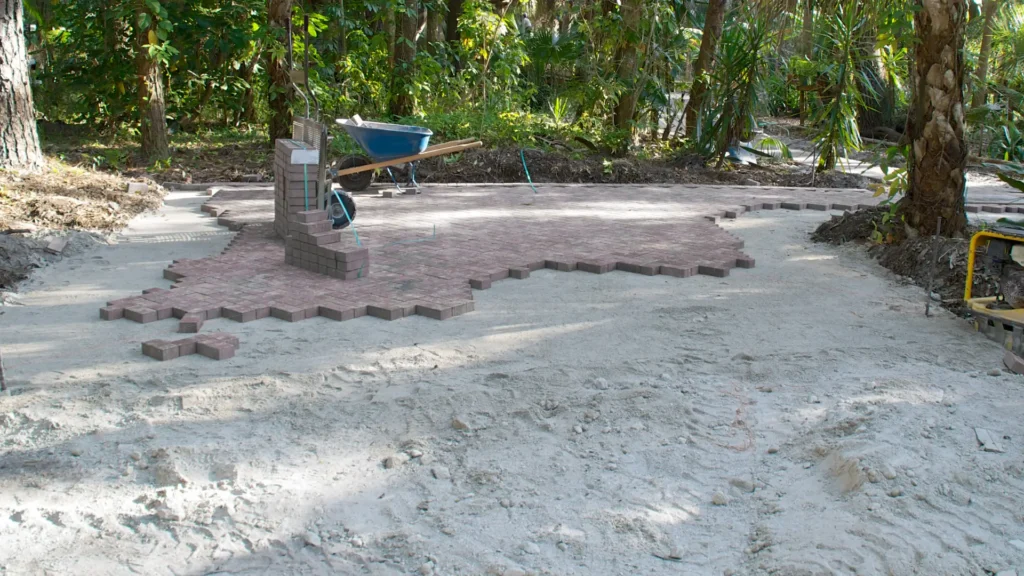
Choosing The Right Paving Material For Different Outdoor Areas
Selecting the right paving material is not just about appearance, it is about matching the material to how each space is used. A well-chosen surface improves safety, durability, and long-term performance while enhancing the overall look of your outdoor area. In Auckland homes, where weather conditions can be unpredictable and outdoor living is a priority, choosing the right paving for each specific zone ensures your investment holds up over time and continues to add value.
Best Paving For Patios And Entertaining Spaces
Patios are often the centre of outdoor living, so the paving you choose needs to balance comfort, style, and practicality. This is where homeowners tend to spend the most time, so the surface should feel inviting while still being durable enough to handle regular use.
- Comfort underfoot: Smooth but not slippery surfaces such as concrete pavers or honed natural stone provide a comfortable walking experience, especially for barefoot use during warmer months. Avoid overly rough textures that can feel harsh or overly polished finishes that become slippery when wet.
- Visual appeal: Large-format pavers and natural stone are popular for creating a clean, modern look that complements outdoor furniture and architectural features. Consistent colour tones and patterns help create a cohesive, well-designed space.
- Blend with landscaping and outdoor furniture: Choose materials and colours that connect with surrounding elements such as decking, planting, and exterior finishes. Neutral tones tend to be more versatile, while textured finishes can add depth and character to the space.
Best Paving For Driveways
Driveways require a completely different approach because they need to handle constant vehicle weight and movement. Choosing the wrong material or skipping proper preparation often leads to cracking, sinking, or uneven surfaces over time.
- Load-bearing strength: Concrete pavers and reinforced concrete are commonly used because they can withstand heavy loads without deforming. Thicker pavers are generally recommended for driveways to improve durability.
- Resistance to shifting and cracking: Interlocking pavers perform well because they distribute weight evenly and allow for slight movement without cracking. This is especially important in areas with changing ground conditions.
- Importance of proper base preparation: A strong sub-base is critical for driveway longevity. Proper excavation, compaction, and layering prevent sinking and surface failure. Even the best paving material will underperform if the foundation is not built correctly.
Best Paving For Garden Paths And Walkways
Garden paths should feel natural and easy to navigate while remaining safe in all weather conditions. These areas often connect different parts of the property, so both functionality and design flow are important.
- Slip resistance: Textured pavers, brick, or natural stone with a non-slip finish are ideal for reducing the risk of slips, particularly during wet conditions common in Auckland.
- Easy access in wet weather: Slightly raised paths or well-drained surfaces help prevent water pooling and muddy edges. Good drainage ensures the path remains usable year-round.
- Stepping stone vs full-path options: Stepping stones create a more relaxed, garden-style look and work well in low-traffic areas, while full-path paving offers better stability and accessibility for frequent use or when moving equipment like wheelbarrows.
Best Paving For Pool Surrounds And Wet Zones
Pool areas and other wet zones require careful material selection to ensure safety and long-term durability. These spaces are constantly exposed to water, so performance matters just as much as appearance.
- Surface grip: Non-slip finishes are essential to reduce the risk of accidents. Textured concrete pavers or specially treated stone surfaces provide better traction when wet.
- Heat retention: Some materials retain less heat than others, making them more comfortable underfoot during hot days. Lighter-coloured pavers and certain natural stones are often preferred around pools for this reason.
- Drainage and maintenance considerations: Proper slope and drainage design help prevent water from pooling around the pool area. Materials that resist staining and are easy to clean will reduce maintenance over time, especially in high-moisture environments.
Choosing the right paving material for each area ensures your outdoor space is not only visually appealing but also practical and long-lasting. By aligning the material with how the space is used, you create an outdoor environment that works seamlessly with your lifestyle and stands up to Auckland’s conditions.
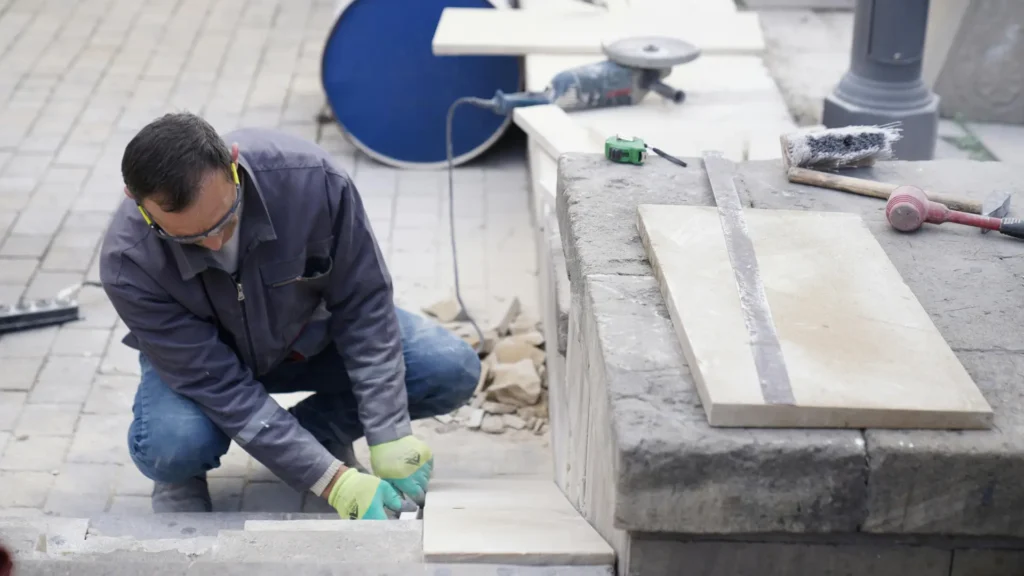
Popular Design Ideas For Auckland Outdoor Spaces
Designing an outdoor space in Auckland is not just about choosing the right paving material, it is about creating a cohesive, functional, and visually appealing environment that complements your home and lifestyle. With a mix of modern architecture, lush gardens, and outdoor-focused living, Auckland homes benefit from thoughtful paving designs that balance durability with aesthetics. The ideas below reflect what works well in real-world Auckland settings, helping homeowners achieve spaces that feel both practical and refined.
Modern Paving Styles For Contemporary Homes
Modern homes in Auckland often feature clean architecture, open-plan layouts, and minimalist landscaping, which makes paving design a key visual element. The goal is to create a sleek, uncluttered look that enhances the home rather than competes with it.
- Large-format pavers: These create a spacious, high-end feel by reducing the number of joints and visual interruptions. They work especially well in patios and courtyards where a seamless surface enhances the sense of openness.
- Clean lines: Straight edges, grid patterns, and symmetrical layouts help reinforce a structured, modern aesthetic. This approach is particularly effective when aligning paving with architectural features like walls, windows, or outdoor seating areas.
- Neutral colours: Shades like grey, charcoal, beige, and soft concrete tones provide a timeless base that complements most home exteriors. Neutral palettes also allow furniture, plants, and outdoor décor to stand out without overwhelming the space.
Natural And Textured Looks For Landscaped Gardens
For homes with established gardens or softer landscaping, paving should feel integrated with the natural surroundings rather than overly structured. This style is about creating a relaxed, organic atmosphere that blends seamlessly with greenery.
- Stone-inspired finishes: Materials that mimic natural stone or use real stone add texture and depth while maintaining a natural look. These finishes age well and often improve visually over time, which suits garden-focused spaces.
- Organic layouts: Curved paths, irregular shapes, and staggered patterns create a more relaxed and inviting flow. This approach works well in garden paths and informal outdoor areas where rigid lines would feel out of place.
- Blending paving with planting: Incorporating greenery between pavers or alongside edges softens the overall look. Ground covers, small shrubs, or border plants can break up hard surfaces and make the space feel more connected to nature.
Mixing Paving With Other Outdoor Elements
A well-designed outdoor space rarely relies on paving alone. Combining paving with complementary elements adds depth, functionality, and visual interest while making better use of the available space.
- Decking: Pairing paving with timber or composite decking creates contrast in texture and warmth. Decking is often used for lounging areas, while paving supports dining or high-traffic zones.
- Retaining walls: These are essential for sloped Auckland sections and can be integrated into paving design to create tiered outdoor areas. They also help define spaces and improve usability.
- Outdoor steps: Steps connect different levels and should be designed with both safety and style in mind. Matching or contrasting materials can be used to highlight transitions.
- Garden edging: Clean edging between paving and garden beds creates a polished finish and helps maintain separation between surfaces over time.
- Lawn or artificial turf transitions: Combining paving with grass or turf softens the look and provides functional areas for relaxation or play. Smooth transitions are important to avoid uneven surfaces and maintenance issues.
Creating Flow Between Indoor And Outdoor Living
One of the most important design goals for Auckland homes is creating a seamless connection between indoor and outdoor spaces. With outdoor entertaining being a major lifestyle feature, paving plays a critical role in extending the living area beyond the house.
- Matching the home’s architecture: Choosing paving materials, colours, and patterns that reflect the home’s interior flooring or exterior finishes creates a cohesive look. This alignment makes the outdoor space feel like a natural extension of the home.
- Seamless transitions from kitchen or living areas to patios: Level thresholds, consistent materials, and aligned layouts help eliminate visual and physical barriers. This not only improves flow but also enhances usability for entertaining and everyday living.
A well-planned paving design can completely transform how an outdoor space looks and functions. By choosing a style that suits both the home and the surrounding environment, Auckland homeowners can create outdoor areas that feel intentional, comfortable, and built to last.
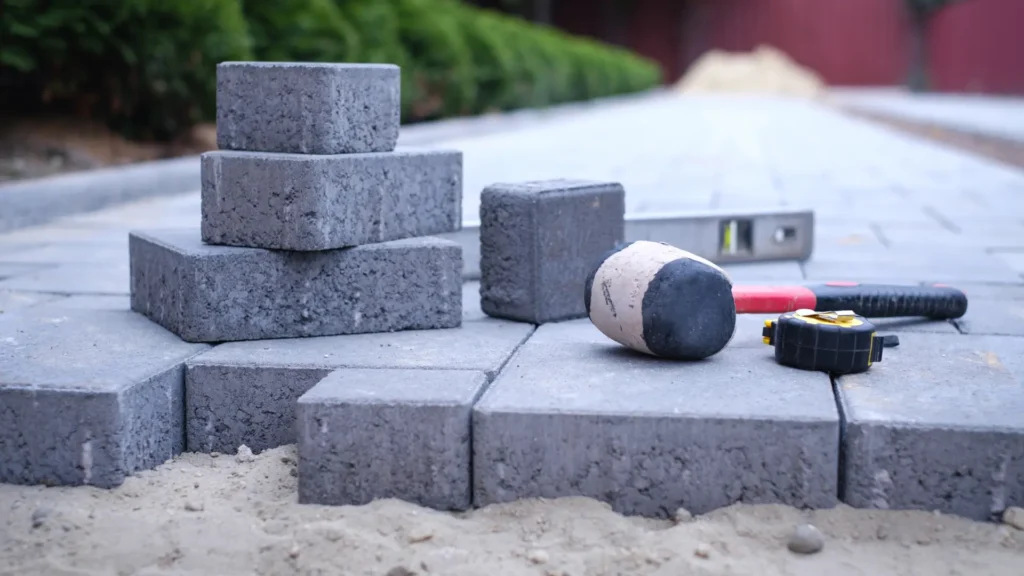
Practical Installation Tips Homeowners Should Know
A well-designed paving project is only as good as its installation. Even the highest-quality materials can fail if the groundwork is rushed or poorly executed. Understanding the fundamentals of preparation, drainage, and finishing will help you avoid common issues and ensure your outdoor paving performs well over time, especially in Auckland’s weather conditions.
Why The Base And Preparation Matter
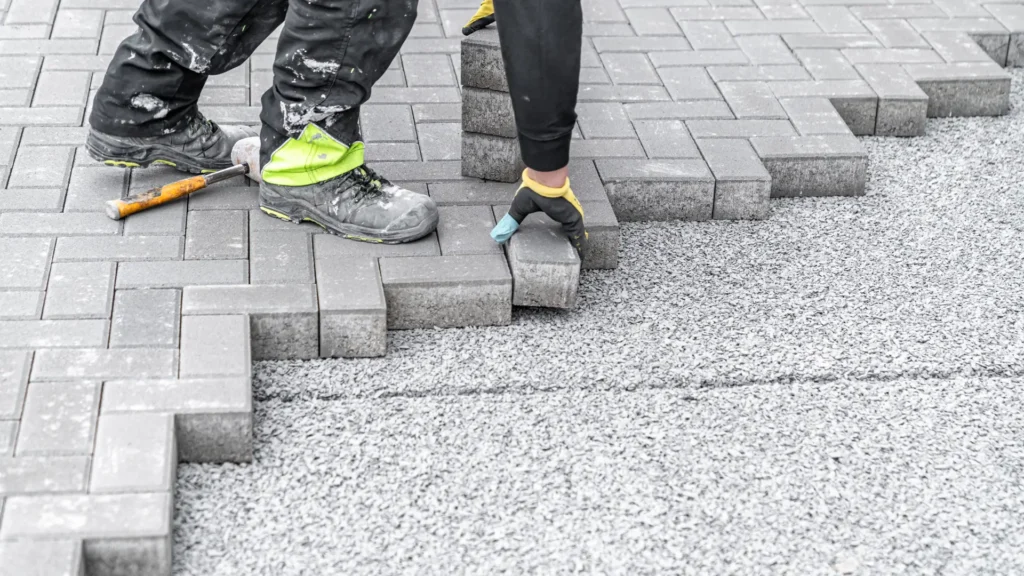
The foundation beneath your paving is what determines how long it will last. Many paving failures are not caused by the surface material itself, but by shortcuts taken during the preparation stage.
- Sub-base quality: The sub-base is the load-bearing layer that supports the entire paved area. It should be made from well-graded aggregate that provides both stability and drainage. A weak or uneven sub-base can lead to sinking, shifting, and cracking over time.
- Compaction: Proper compaction ensures that the base layers are tightly packed and stable. Without adequate compaction, air pockets remain in the ground, which can cause the surface to settle unevenly after installation. This is especially important for driveways and high-traffic areas.
- Levelling: A level and properly graded base ensures that the final surface sits evenly and drains correctly. Poor levelling can result in uneven pavers, trip hazards, and areas where water collects instead of flowing away.
- Why a good-looking surface can still fail if prep is poor: It is possible for a newly installed paving area to look perfect at first but deteriorate quickly if the preparation was rushed. Issues like sinking pavers, loose edges, and cracking often appear within months when the foundation has not been properly built.
Drainage Planning From Day One
Drainage is one of the most overlooked aspects of outdoor paving, yet it plays a critical role in long-term performance. In a climate like Auckland’s, where rainfall is frequent, poor drainage can quickly lead to structural problems and safety concerns.
- Falls, runoff, and water pooling: Every paved surface should be installed with a slight fall to guide water away from structures and prevent pooling. Poorly planned runoff can cause water to collect on the surface or flow toward your home, increasing the risk of damage.
- Why drainage should be built into the plan, not treated as an afterthought: Retrofitting drainage solutions after installation is often costly and less effective. Proper planning ensures that water management is integrated into the design from the start, helping to protect both the paving and surrounding areas.
Edging, Joints, And Finishing Details
The small details in a paving project often make the biggest difference in both appearance and durability. Finishing elements are what keep everything in place and give the surface a clean, professional look.
- How these affect durability and appearance: Edging restraints prevent pavers from spreading or shifting over time, especially in areas with frequent use. Jointing materials, such as sand or mortar, help lock the pavers together while allowing for slight movement. Together, these elements maintain the structural integrity of the surface.
- Why finishing details separate average work from long-lasting work: A paving job with poor edging or inconsistent joints may look acceptable initially but will deteriorate faster. High-quality finishing ensures the paving remains stable, aligned, and visually consistent for years.
When To Hire A Professional Paving Contractor
While some small paving projects can be handled by experienced DIY homeowners, many situations require professional expertise to ensure a reliable and long-lasting result.
- Complex layouts: Intricate designs, curves, and multi-level areas require precise planning and execution. Mistakes in layout can affect both aesthetics and structural performance.
- Sloped sites: Working on a slope introduces challenges with leveling, drainage, and stability. Professionals understand how to manage these factors to prevent erosion and movement.
- Driveways: Driveways must support heavy loads and frequent use. A professionally installed base and proper material selection are essential to avoid premature failure.
- Premium materials: High-end materials like natural stone often require specialized installation techniques. Incorrect handling or placement can lead to costly damage or an uneven finish.
- Projects needing integrated landscaping or retaining solutions: When paving is combined with retaining walls, steps, or garden features, the project becomes more complex. A coordinated approach ensures all elements work together structurally and visually.
A well-executed paving project is not just about choosing the right material, but about getting the installation right from the ground up. By focusing on proper preparation, drainage, and finishing, and knowing when to bring in experienced professionals, you can create an outdoor space that not only looks great but performs reliably for years to come.
Common Mistakes To Avoid With Outdoor Paving
Planning outdoor paving for your home can significantly improve both functionality and visual appeal, but small missteps early on can lead to costly issues later. Many homeowners focus on surface-level decisions without fully considering long-term performance, environmental factors, and how the space will actually be used. Understanding these common mistakes can help you make better-informed decisions and ensure your paving project delivers lasting value.
Choosing Materials Based Only On Appearance
It is easy to be drawn to a particular look, especially when browsing inspiration images or showroom displays. However, selecting paving materials based purely on appearance often leads to problems once the surface is exposed to real-world conditions.
- Performance mismatch: A visually appealing material may not be suited for high-traffic or load-bearing areas, leading to premature wear or damage
- Slip resistance issues: Smooth or polished finishes can become dangerously slippery, especially in wet conditions common in Auckland
- Maintenance demands: Some materials require regular sealing, cleaning, or upkeep that may not align with your lifestyle
A well-chosen paving solution balances aesthetics with durability, safety, and ease of maintenance. Always consider how the material will perform over time, not just how it looks on day one.
Underestimating Drainage Issues
Drainage is one of the most critical yet overlooked aspects of outdoor paving. In a climate with frequent rainfall, poor drainage can quickly compromise both the usability and lifespan of your paved areas.
- Water pooling: Improper slope or surface design can cause water to collect, leading to unsightly puddles and potential damage
- Surface movement: Excess moisture beneath the paving can weaken the base, causing shifting, sinking, or uneven surfaces
- Moss and slip hazards: Damp conditions encourage moss and algae growth, increasing the risk of slips and falls
Effective drainage planning should be integrated into the design from the start, including proper grading, base preparation, and, where suitable, permeable paving solutions.
Using The Wrong Paving Type For The Application
Not all paving materials are created for the same purpose, and using the wrong type in the wrong area is a common and costly mistake. Each outdoor space has unique requirements that must be matched with the right material.
- Heavy-traffic areas: Decorative pavers may look attractive but often lack the strength needed for driveways or vehicle use
- Wet zones: Smooth finishes in areas like pool surrounds or shaded paths can become hazardous due to reduced grip
- Functional mismatch: Materials suited for patios may not perform well in load-bearing or high-use environments
Choosing the correct paving type ensures the surface not only looks good but also performs reliably under the conditions it is exposed to.
Skipping Long-Term Maintenance Planning
Many paving projects focus heavily on installation while overlooking what it takes to keep the surface in good condition over time. Without a clear maintenance plan, even high-quality paving can deteriorate faster than expected.
- Surface staining: Certain materials are more prone to staining from dirt, leaves, or spills if not properly sealed or cleaned
- Weed growth: Gaps between pavers can allow weeds to grow if joints are not maintained or filled correctly
- Joint erosion: Sand or jointing material can wear away over time, affecting stability and appearance
- Cleaning expectations: Some surfaces require regular washing or treatment to prevent buildup and maintain their finish
Understanding the ongoing care requirements of your chosen material helps you avoid surprises and keeps your outdoor space looking its best for years.
Hiring Based On Price Alone
Cost is always an important consideration, but choosing a contractor based solely on the lowest price can lead to subpar results and higher long-term expenses. Quality installation plays a major role in how well your paving performs.
- Shortcuts in preparation: Low-cost providers may compromise on base preparation, which is critical for durability
- Lower-grade materials: Cheaper quotes may include inferior materials that wear out faster
- Future repair costs: Poor installation often results in uneven surfaces, drainage issues, and early repairs that outweigh initial savings
- Lack of expertise: Experienced professionals bring knowledge of local conditions, proper techniques, and best practices that ensure a long-lasting result
Choosing the right outdoor paving solution is not just about design, it is about making decisions that hold up over time. By avoiding these common mistakes and focusing on quality, suitability, and proper planning, you can create an outdoor space that is both functional and built to last.
How To Maintain Outdoor Paving So It Lasts
Keeping your outdoor paving in good condition is not just about appearance. It directly affects safety, durability, and long-term value. In Auckland’s climate, where moisture and organic buildup are common, consistent maintenance helps prevent surface damage, reduces repair costs, and ensures your paving remains functional year-round. A well-maintained surface will always outperform one that is neglected, even if both were installed to the same standard.
Routine Cleaning And Care
Regular cleaning is the simplest and most effective way to extend the life of your paving. Dirt, debris, and organic matter can slowly degrade the surface or create slip hazards if left untreated. Establishing a basic maintenance routine helps preserve both the look and performance of your paving.
- Sweeping: Regular sweeping removes leaves, dust, and debris that can trap moisture and encourage moss or weed growth. This is especially important in shaded areas where buildup happens faster.
- Washing down: A periodic wash using water helps remove surface grime and prevents long-term staining. For most residential paving, a garden hose or light-pressure wash is enough to keep surfaces clean without causing damage.
- Removing moss, dirt, and stains early: Addressing moss, algae, and stains as soon as they appear prevents them from spreading and becoming harder to remove. Early treatment also reduces slip risk and keeps the paving looking well-maintained.
Seasonal Maintenance For Auckland Conditions
Auckland’s weather patterns, particularly frequent rain and humidity, create unique challenges for outdoor paving. Seasonal maintenance ensures your surfaces remain safe and functional despite these conditions.
- Wet weather buildup: Prolonged moisture can lead to organic growth and surface discoloration. Regular checks during wetter months help you stay ahead of buildup before it affects the integrity of the paving.
- Slippery surfaces: Moss and algae thrive in damp environments, making surfaces hazardous. Applying appropriate cleaning solutions and maintaining good sunlight exposure where possible helps reduce slipperiness.
- Drain checks: Proper drainage is critical in preventing water pooling and surface damage. Ensure drains, channels, and surrounding areas remain clear so water can flow away efficiently.
Repairing Minor Issues Before They Become Major Problems
Small issues can quickly turn into costly repairs if ignored. Early intervention helps maintain structural stability and prevents further damage to surrounding areas.
- Loose pavers: Individual pavers can shift over time due to ground movement or heavy use. Re-securing them early prevents uneven surfaces and reduces the risk of accidents.
- Sunken spots: Low areas often indicate issues with the base layer or drainage. Addressing these spots promptly helps restore level surfaces and prevents water from collecting.
- Joint erosion: Sand or filler between pavers can wash away, weakening the structure and allowing weeds to grow. Replacing joint material keeps the paving stable and well-finished.
- Cracking in surrounding edges: Cracks in edging or borders can compromise the entire paved area. Repairing these early maintains the integrity of the structure and prevents further spreading.
Maintaining outdoor paving does not require complex work, but it does require consistency and attention to detail. By staying proactive with cleaning, seasonal care, and minor repairs, you can keep your outdoor spaces looking sharp, safe to use, and built to last for many years.
How To Choose The Best Outdoor Paving Solution For Your Home
Choosing the right outdoor paving solution is not just about picking a material that looks good. It involves understanding how the space will be used, how it will perform over time, and how well it suits your home’s layout and Auckland’s climate. A well-planned paving decision helps you avoid costly mistakes while ensuring your outdoor area remains functional, safe, and visually consistent for years to come.
A Simple Decision-Making Checklist
Before selecting a paving material, it helps to step back and assess your specific needs. This checklist gives you a practical way to narrow down your options and make a confident, informed choice.
- Paving Area: Identify whether you are working on a patio, driveway, garden path, or poolside area. Each space has different performance requirements, and choosing the right material depends heavily on its intended use.
- Traffic Load: Consider how much weight and foot traffic the surface will handle. Driveways require heavy-duty, load-bearing materials, while pathways and patios can use more decorative options with moderate durability.
- Desired Appearance: Think about the overall look you want to achieve. Whether you prefer a modern, clean finish or a natural, textured feel, your paving choice should complement your home’s architecture and surrounding landscape.
- Budget Range: Be realistic about what you can invest, including both installation and long-term upkeep. Lower-cost materials may save money upfront but can require more maintenance or earlier replacement.
- Maintenance Level: Decide how much time and effort you are willing to spend maintaining the surface. Some paving options are low-maintenance, while others require regular cleaning, sealing, or repairs to stay in good condition.
Using this checklist early in the planning process helps you filter out unsuitable options and focus only on materials that align with your practical needs and lifestyle.
When To Prioritise Durability, Design, Or Drainage
One of the most common challenges homeowners face is deciding what matters most when choosing paving. In reality, the right choice often comes down to balancing durability, design, and drainage based on your specific situation.
- Durability First: If the area will carry vehicles or heavy use, durability should be your top priority. Strong, well-installed materials such as concrete pavers are better suited for driveways and high-traffic zones where structural performance is essential.
- Design First: For spaces like patios or courtyards, visual appeal often takes priority. In these areas, you have more flexibility to choose materials that enhance the look of your outdoor space, as long as they still meet basic safety and maintenance requirements.
- Drainage First: In areas prone to water buildup or consistent rainfall, such as many Auckland properties, drainage becomes critical. Permeable or well-laid paving systems help prevent pooling, reduce slip risks, and extend the life of the surface.
Choosing the right paving solution becomes much simpler when you focus on how the space will actually be used rather than just how it will look. By balancing function, style, and long-term performance, you can create an outdoor area that not only enhances your home but also stands up to everyday use and changing conditions.
Expert Insight: What Makes A Great Paving Project?
A great outdoor paving project is not defined by the materials alone, but by how well every element works together to suit the home, the environment, and the way the space will be used. For Auckland homes in particular, where weather conditions and site variations can impact performance, success comes from a well-planned, purpose-driven approach backed by practical experience and attention to detail.
Thoughtful Planning, Not Just Good Materials
Many homeowners focus heavily on choosing high-quality paving materials, but overlook the importance of planning. Even the best materials can fail if the layout, usage, and site conditions are not properly considered.
- Purpose-first planning: Start by defining how the space will actually be used, whether it is for entertaining, vehicle access, or everyday foot traffic
- Site-specific design: Take into account slope, soil condition, sun exposure, and surrounding landscaping before finalizing the plan
- Long-term thinking: Consider how the space will perform over time, including wear, drainage, and maintenance requirements
A well-planned paving project reduces costly changes later and ensures the final result is both functional and visually cohesive.
A Design That Suits The House And Section
Good paving design should feel like a natural extension of the home, not an afterthought. The layout, colour, and texture all need to complement the property’s architecture and outdoor setting.
- Style alignment: Match paving materials and patterns to the home’s design, whether modern, classic, or natural landscape-focused
- Proportional layout: Ensure the scale of paving areas fits the size of the section and does not overwhelm or underutilize the space
- Seamless transitions: Create smooth flow between indoor and outdoor areas, as well as between different outdoor zones
This approach enhances both usability and property value by creating a cohesive, well-integrated outdoor space.
Proper Preparation And Drainage
One of the most critical yet often overlooked aspects of any paving project is what lies beneath the surface. In Auckland’s wet climate, proper drainage and base preparation are essential for long-term performance.
- Solid sub-base: A well-compacted foundation prevents shifting, sinking, and uneven surfaces over time
- Correct grading: Slight slopes help direct water away from the home and prevent pooling
- Drainage integration: Incorporate drainage solutions early in the design to manage runoff effectively
Without proper preparation, even visually appealing paving can quickly develop structural and safety issues.
Material Choice Matched To Actual Use
Choosing the right paving material is not just about appearance. It must be suited to the demands of the specific area it will serve.
- Load suitability: Driveways require strong, load-bearing materials, while patios can prioritize comfort and aesthetics
- Slip resistance: Areas exposed to water, such as pool surrounds or shaded paths, need textured surfaces for safety
- Maintenance level: Some materials require more upkeep than others, so it is important to match choices with your willingness to maintain them
Selecting materials based on real-world use ensures durability and reduces the likelihood of premature wear or failure.
Installation Quality That Supports Long-Term Performance
Even with good planning and the right materials, poor installation can compromise the entire project. Skilled workmanship plays a major role in how well paving performs over time.
- Precision installation: Proper alignment, spacing, and leveling ensure both structural stability and visual consistency
- Quality finishing: Edging, jointing, and sealing all contribute to the durability and overall appearance of the paving
- Experienced professionals: Working with knowledgeable installers helps avoid common mistakes and ensures best-practice techniques are followed
A successful outdoor paving project is the result of informed decisions at every stage, from planning and design to material selection and installation. By focusing on practical performance as much as appearance, homeowners can create outdoor spaces that not only look great but also stand up to real-life use in Auckland conditions.
If you are ready to transform your outdoor space into something both practical and visually impressive, now is the perfect time to explore the right paving solution for your home. With the right planning and expert guidance, you can avoid costly mistakes and achieve a finish that lasts for years. Take the next step by connecting with a trusted paving specialist who understands Auckland conditions and can help bring your vision to life with confidence.
References
- Paving Auckland: A Practical Guide to Local Paving Options and Considerations
https://aucklandlandscaping.co.nz/uncategorized/paving-auckland-a-practical-guide-to-local-paving-options-and-considerations/ - Paving Stones NZ: Types, Designs, and Buying Guide
https://concretelayerssouthauckland.co.nz/paving-stones-nz/ - Permeable Paving Options in Auckland Central
https://www.zones.co.nz/articles/permeable-choices-in-auckland-central - Permeable Concrete Auckland Solutions
https://solidify.co.nz/permeable-concrete-auckland/ - Top Paving for Driveways in Auckland – Quality and Style
https://cmconcretedrivewaysauckland.co.nz/paving-for-driveways-auckland/
FAQs: About Outdoor Paving Solutions For Auckland Homes
What is the best outdoor paving solution for Auckland homes?
The best outdoor paving solution depends on how the space will be used, your budget, and drainage needs. Concrete pavers are popular for versatility, while natural stone offers a premium look. In Auckland, materials that handle wet conditions and provide good drainage are typically the most reliable long-term choices.
Which paving material is most durable for driveways?
For driveways, concrete pavers and reinforced concrete are among the most durable options. They can handle heavy vehicle loads and resist cracking when properly installed. The key factor is not just the material but also a well-prepared base and proper installation.
Is permeable paving a good option in Auckland?
Yes, permeable paving is a strong option for Auckland homes due to frequent rainfall. It allows water to drain through the surface, reducing runoff and pooling. This can help improve safety and extend the lifespan of your paving.
How much does outdoor paving typically cost in Auckland?
Costs vary depending on the material, area size, and site conditions. Basic concrete paving is generally more affordable, while natural stone and complex designs cost more. It’s important to factor in installation, base preparation, and long-term maintenance when budgeting.
What is the best paving for patios and outdoor entertaining areas?
For patios, homeowners often choose materials that balance comfort and appearance, such as concrete pavers or natural stone. These options provide a stable, attractive surface suitable for furniture and foot traffic. Slip resistance and heat retention should also be considered.
How do I choose the right paving for my garden path?
Garden paths should prioritize safety, ease of use, and visual integration with landscaping. Textured pavers or stone are ideal for grip, especially in wet conditions. The layout should also allow for proper drainage and natural flow through the garden.
What are common mistakes to avoid when installing outdoor paving?
Common mistakes include poor base preparation, ignoring drainage, and choosing materials based only on appearance. These issues can lead to uneven surfaces, water pooling, and early wear. Working with experienced professionals can help prevent these problems.
How long does outdoor paving last?
With proper installation and maintenance, outdoor paving can last 20 years or more. High-quality materials and correct base preparation significantly extend lifespan. Regular cleaning and minor repairs also help maintain durability over time.
Do I need professional help for paving projects?
While small DIY projects are possible, most paving work benefits from professional installation. Experts ensure proper leveling, drainage, and structural integrity. This is especially important for driveways, sloped areas, and larger outdoor spaces.
How do I maintain outdoor paving in Auckland’s climate?
Regular sweeping, occasional washing, and removing moss or algae buildup are essential in wet conditions. Keeping drainage clear and repairing minor issues early helps prevent bigger problems. Maintenance ensures your paving stays safe, clean, and visually appealing for years.
Conclusion
Choosing the right outdoor paving solution for an Auckland home comes down to understanding how key factors work together to create a space that is both practical and long-lasting. The purpose of the area, whether it is a patio, driveway, or garden path, will determine the level of durability and performance required, while the choice of material influences both appearance and long-term value. Proper drainage is essential in Auckland’s wet-weather conditions to prevent pooling, surface damage, and safety issues, and the overall style should complement your home to create a cohesive outdoor design. Maintenance is another important consideration, as some materials require more ongoing care than others. For beginners, the best solution is not necessarily the most expensive option but the one that fits how the space will actually be used on a day-to-day basis. To move forward with confidence, it helps to shortlist a few suitable materials based on your needs, seek advice from a local paving professional who understands site-specific conditions, and plan your patio, path, or driveway with durability and drainage in mind. Taking a thoughtful, well-informed approach will help you avoid costly mistakes and ensure your outdoor space remains functional, attractive, and built to last.